Managing your money can often feel like a juggling act. Between paying bills, trying to save for the future, and still enjoying life, it’s easy to get overwhelmed. Many people shy away from budgeting altogether because it seems too complicated, restrictive, or just plain boring. But what if there was a simple, straightforward method that brought clarity without constant number crunching?
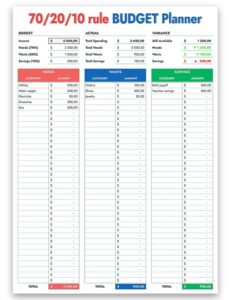
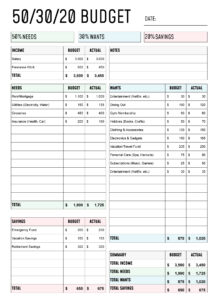
Enter the 60/30/10 budget template. This approach offers a refreshingly easy way to categorize your spending and saving, making financial planning less daunting and more achievable. It’s a fantastic framework for anyone looking to gain better control over their finances, whether you’re a seasoned budgeter or just starting your financial journey.
Instead of strict line items for every single expense, this method breaks down your income into three clear buckets: Needs, Wants, and Savings/Debt Repayment. It provides a flexible guideline that helps you understand where your money should be going, giving you peace of mind and a clear path toward your financial goals.
Understanding Each Slice of the 60/30/10 Pie
The beauty of the 60/30/10 budget template lies in its clear-cut percentages, which act as guidelines for how you allocate your after-tax income. Let’s unpack what each of these percentages means for your financial life and how you can accurately categorize your spending within them. This simple division helps demystify where your money goes and gives you a powerful tool for financial management.
The Big 60: Your Essential Needs
The largest portion of your income, 60%, should be dedicated to your essential needs. These are the non-negotiable expenses that keep a roof over your head, food on your table, and ensure your basic well-being. If you didn’t pay for these, your quality of life would significantly decline or become impossible. Think about what truly keeps your life running day-to-day. Sticking to this percentage ensures your foundational expenses are covered without eating too much into other important categories.
- Housing costs (rent or mortgage payments)
- Utilities (electricity, water, gas, internet)
- Groceries and basic household necessities
- Transportation (gas, public transit fares, car payments, essential car insurance)
- Health insurance premiums and essential medical expenses
- Minimum debt payments (student loans, credit cards, personal loans)
The Flexible 30: Your Wants and Lifestyle Choices
The next 30% of your income is allocated to your wants. These are the expenses that enhance your life and bring you joy, but aren’t strictly necessary for survival. This category is where your personal preferences and lifestyle choices come into play. While it’s tempting to let this category swell, keeping it to 30% allows you to enjoy life today without jeopardizing your financial future. It’s about finding a healthy balance between indulgence and responsibility.
- Dining out and takeout meals
- Entertainment (movies, concerts, streaming subscriptions, hobbies)
- New clothing and accessories (beyond essentials)
- Vacations and travel expenses
- Gym memberships or non-essential fitness classes
- Luxury items or non-essential gadgets
The Future-Focused 10: Savings and Debt Acceleration
Finally, the crucial 10% of your income goes towards savings and accelerating debt repayment. This is where you build your financial security and work towards long-term goals. While 10% might seem small, consistently dedicating this portion of your income can lead to significant financial growth and freedom over time. It’s the engine that powers your emergency fund, retirement, and significant future purchases, setting you up for a worry-free tomorrow.
- Emergency fund contributions
- Retirement savings (401k, IRA, Roth IRA)
- Investment accounts (brokerage accounts)
- Extra payments towards high-interest debt (above the minimum)
- Saving for specific goals (down payment on a house, child’s education, car purchase)
By clearly defining these categories and committing to the percentages, you gain a robust framework. It helps you prioritize your spending, understand where you might be overspending, and gives you actionable steps to adjust your habits for better financial health. This simplicity is precisely what makes the 60/30/10 budget template so appealing and effective for so many people.
Making the 60/30/10 Budget Work for Your Life
Adopting any new budgeting method can feel like a big step, but the 60/30/10 approach is designed for practicality. To truly make it effective, start by calculating your total after-tax income. Then, track your spending for a month or two to see where your money is currently going. This honest assessment will help you identify areas where you might need to adjust. Don’t worry if your current numbers don’t perfectly align with 60/30/10 right away; the goal is progress, not perfection.
Once you have a clearer picture, start assigning your expenses to the Needs, Wants, and Savings categories. Use financial apps, spreadsheets, or even a simple notebook to keep tabs on your spending. The key is consistency. Regularly reviewing your budget helps you stay on track, celebrate successes, and pinpoint where adjustments are needed. Life changes, and so should your budget. If your income fluctuates or a major expense comes up, revisit your percentages and adapt them to your current situation.
- Calculate Your After-Tax Income Accurately
- Categorize Every Expense Faithfully
- Track Spending Regularly to Stay Aware
- Adjust Percentages as Your Life and Income Evolve
- Automate Savings for Consistency and Ease
The ultimate benefit of using a structure like the 60/30/10 budget is the clarity and confidence it provides. It removes the guesswork from financial planning and replaces it with a clear roadmap. By consistently following these guidelines, you’ll find yourself making more intentional financial decisions, reducing stress, and steadily building towards a more secure and prosperous future. It’s a system that empowers you to take control, rather than feeling controlled by your money.
Embracing a clear and manageable budget doesn’t have to be a chore. The 60/30/10 method offers a streamlined path to financial clarity, making it easier to see where your money is going and ensuring you’re setting enough aside for your future. It’s about creating a sustainable financial routine that works with your life, not against it, allowing you to enjoy today while planning wisely for tomorrow.
By consistently applying this straightforward framework, you can transform your financial outlook, reduce stress, and achieve your monetary aspirations with greater ease. Why not give this practical approach a try and experience the peace of mind that comes with a well-managed budget?