Investing in your people is perhaps one of the smartest decisions any organization can make. Think about it: employees who feel valued and equipped with the latest skills are more engaged, more productive, and ultimately contribute more to your company’s success. It’s not just about keeping up; it’s about staying ahead, fostering innovation, and building a resilient workforce ready for tomorrow’s challenges.
However, translating this vision into actionable programs requires careful planning, especially when it comes to finances. Without a clear financial roadmap, even the most well-intentioned training initiatives can fall short or spiral out of control. This is where a robust training and development budget template becomes an invaluable asset, transforming an abstract idea into a concrete, measurable investment.
A well-structured budget doesn’t just list numbers; it tells a story of your commitment to growth, detailing where resources will be allocated and what outcomes are expected. It ensures that every dollar spent is aligned with your strategic goals, maximizing impact and demonstrating a clear return on investment. Let’s explore how you can create and leverage such a powerful tool.
Why a Dedicated Training Budget is Non-Negotiable
In today’s fast-evolving business landscape, skills obsolescence is a real concern. Employees need continuous opportunities to learn new technologies, refine soft skills, and adapt to changing market demands. A dedicated training budget isn’t an expense; it’s a strategic investment in your human capital, directly impacting everything from employee retention and morale to operational efficiency and competitive advantage. Without a clear budget, organizations often scramble for funds, leading to fragmented, reactive training rather than proactive, strategic development.
Moreover, a defined budget provides transparency and accountability. It allows stakeholders to understand the financial commitment involved and to track the effectiveness of various programs. This clarity helps prevent both overspending on unnecessary initiatives and underspending on critical development needs, ensuring resources are allocated where they can make the biggest difference. It also facilitates a smoother approval process when you can present a well-thought-out plan with clear financial implications.
Aligning your training budget with overall business objectives is paramount. If your company aims to expand into new markets, your training should focus on cross-cultural communication or specific regional regulations. If a new software is being implemented, the budget must account for comprehensive user training. This strategic alignment turns your budget into a living document that supports and drives the organization’s overarching goals.
Key Components of an Effective Training Budget Template
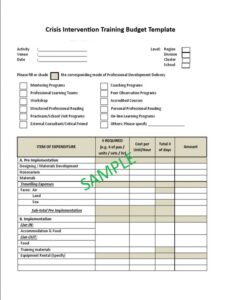
To truly harness the power of your budget, you need to break down the costs into manageable and understandable categories. This detailed breakdown ensures nothing is overlooked and provides a clear picture of where every dollar is going.
- Trainer or Instructor Fees: This includes salaries for internal trainers or fees for external facilitators, consultants, and guest speakers.
- Program Development Costs: Expenses related to creating new training materials, course content, e-learning modules, and assessments.
- Technology and Software: Licensing for learning management systems (LMS), virtual classroom tools, specialized software for simulations, or content creation tools.
- Materials and Resources: Costs for handouts, workbooks, textbooks, stationery, and other physical or digital learning aids.
- Venue and Equipment: Rental fees for training rooms, conference facilities, audiovisual equipment, and necessary hardware.
- Travel and Accommodation: For trainers or participants traveling to off-site training locations.
- Evaluation and Assessment Tools: Software or services used to measure training effectiveness, participant progress, and feedback collection.
- Contingency Fund: A small percentage (typically 5-10%) of the total budget set aside for unexpected costs or opportunities.
- Marketing and Communication: Promoting training programs to employees, if applicable.
- Employee Time Costs: While not a direct cash outflow, considering the productivity impact of employees spending time in training is crucial for a holistic view.
By itemizing these components, you gain a granular understanding of your spending. This allows for better negotiation with vendors, more accurate forecasting, and greater control over your overall training expenditure. Regularly reviewing these categories against actual spending helps refine future budgets and identify areas for optimization.
Steps to Build Your Training and Development Budget
Creating a comprehensive budget might seem daunting at first, but by breaking it down into a few clear steps, the process becomes much more manageable. The goal is to build a realistic and effective financial plan that supports your organization’s learning and development objectives.
First, begin by conducting a thorough training needs analysis. This involves identifying the current skill gaps within your workforce, understanding future skill requirements based on business strategy, and gathering feedback from employees and managers. What specific skills do your teams need to acquire or improve? What problems can training solve? Answering these questions will help you pinpoint the most critical areas for investment, ensuring that your budget is allocated to programs that will yield the highest impact.
Next, research potential training solutions and providers. Once you know what skills need developing, explore various options, from in-house workshops to external courses, online platforms, certifications, and mentorship programs. Obtain detailed quotes from different vendors for each program you are considering. Don’t forget to factor in all the associated costs, such as materials, technology, and any travel or accommodation. Compare these options not just on price, but also on quality, relevance, and alignment with your specific needs.
Finally, meticulously allocate funds to each line item based on your research and priorities. Once you have a clear picture of potential costs, populate your training and development budget template. Be realistic and ensure you have a contingency fund for unforeseen expenses. Present your complete budget to relevant stakeholders for approval, highlighting the strategic benefits and anticipated return on investment. Once approved, continuously monitor spending against your budget and make adjustments as needed throughout the year to ensure financial discipline and program effectiveness.
A well-crafted training budget is more than just a financial document; it’s a powerful statement about your organization’s commitment to continuous growth and excellence. By strategically planning and allocating resources for learning and development, you not only equip your employees with essential skills but also cultivate a culture of innovation and adaptability. This proactive approach ensures your team remains competitive, engaged, and ready to meet the demands of an ever-evolving market.
Embracing a systematic approach to budgeting for training allows you to transform potential challenges into opportunities for advancement. It empowers you to make informed decisions, optimize your investments, and ultimately drive sustainable success by nurturing the most valuable asset your company possesses: its people.