Organizing a fashion show is an exhilarating journey, filled with creative vision, stunning designs, and the promise of a spectacular event. Yet, beneath the glamour and excitement lies a complex web of logistics and financial planning. One of the most critical elements to master is managing your team’s expenses, and that’s precisely where a robust fashion show staff budget template becomes an indispensable tool. It’s not just about cutting costs; it’s about smart allocation to ensure every penny contributes to a flawless execution.
Staffing a fashion show involves a diverse array of professionals, from the creative minds behind the collections to the hands-on crew making sure everything runs smoothly on show day. Their expertise is invaluable, but their compensation can quickly add up, often becoming one of the largest line items in your overall event budget. Without a clear plan, it’s easy for expenses to spiral out of control, jeopardizing the entire production.
A well-structured budget template provides clarity, helping you visualize where your money is going and identify areas for optimization. It empowers you to make informed decisions, negotiate effectively, and ultimately deliver an unforgettable show without the stress of financial missteps. Let’s delve into how to build and utilize such a template to ensure your next fashion spectacle is both brilliant and fiscally sound.
Understanding the Core Components of Staff Budgeting
When you embark on the journey of planning a fashion show, staffing is one of the most dynamic and multifaceted aspects of your budget. It encompasses a vast array of roles, each vital to bringing your vision to life, from the initial concept stages all the way through to the final curtain call. Thinking about these roles in different categories helps in better organization within your budget template.
Pre-production and Creative Teams
Long before any model steps onto the runway, a team of creative professionals is hard at work. This includes your head designer, fashion stylists who curate the looks, choreographers who block the show’s movements, and music directors crafting the perfect soundtrack. You’ll also need casting directors to find the right faces and potentially set designers to create an immersive environment. Their fees are often project-based or fixed for the duration of their involvement, sometimes spanning weeks or months.
Production Day Essentials
The day of the show is a whirlwind, demanding a large, specialized crew. Models, of course, are central, typically paid by the show or by the hour. Backstage, hair stylists and makeup artists work feverishly to complete looks, alongside dressers who ensure seamless outfit changes. Technical staff suchers as lighting technicians, sound engineers, and stagehands are crucial for the show’s presentation. Don’t forget security personnel to manage crowds and protect valuable assets. These roles are often hourly or contracted for the specific show day.
Backstage and Front of House Support
Beyond the core creative and technical teams, numerous support staff are essential for smooth operations. Production assistants are the unsung heroes, handling countless tasks. Show callers ensure precise timing, while runners ferry urgent items. Front of house roles include ushers guiding guests to their seats, guest relations staff managing VIPs, and public relations teams handling media. These roles, while seemingly minor, significantly impact the overall professionalism and guest experience.
Management and Administration
Overseeing the entire operation requires a dedicated management team. A project manager or show producer acts as the central hub, coordinating all departments. A budget controller tracks spending and ensures adherence to the financial plan. Legal advisors might be needed for contracts with models, venues, or major talent. These administrative roles often involve fixed fees or retainer agreements, providing essential oversight and problem-solving capabilities throughout the planning and execution phases.
Practical Steps for Building Your Staff Budget Template
Once you understand the breadth of staff required, the next step is to translate that knowledge into a tangible budget. Building your fashion show staff budget template isn’t just about listing names; it’s about meticulous planning, research, and careful estimation. Start by creating a comprehensive list of every single role you anticipate needing, no matter how small. Then, for each role, consider the duration of their involvement and the typical compensation structure.
Research is your best friend here. Look into industry standard rates for models, stylists, technicians, and other professionals in your region. Don’t be afraid to reach out for quotes or consult with experienced event producers. Factor in not just their base pay but also any additional costs like agency fees, travel allowances, meal stipends, or overtime. It’s also wise to allocate a contingency fund, typically 10-15% of your total staff budget, to cover any unforeseen circumstances or last-minute hires.
Here are some key considerations to integrate into your template:
- Clearly list every staff role and the number of individuals needed for each.
- Specify whether compensation is hourly, daily, project-based, or a fixed fee.
- Estimate the total hours or duration of engagement for each staff member.
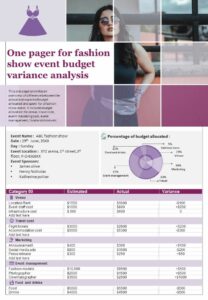
- Include columns for actual cost versus budgeted cost to track variances.
- Factor in any associated taxes, insurance, or agency commissions.
- Allocate funds for staff amenities like catering, transportation, or accommodation if applicable.
- Set clear payment schedules and methods to manage cash flow effectively.
Implementing a comprehensive staff budget isn’t just a financial chore; it’s a strategic asset. It empowers you to visualize the full scope of your human resource needs and their associated costs, ensuring that no vital role is overlooked and no expense comes as a surprise. This proactive approach allows you to focus your energy on the creative brilliance of your show, knowing the financial foundation is solid.
By meticulously planning and utilizing a robust fashion show staff budget template, you gain invaluable control over one of your event’s most significant investments. It transforms potential financial headaches into manageable line items, ultimately paving the way for a stunning, well-managed, and financially successful fashion show that leaves a lasting impression on your audience and your bottom line.