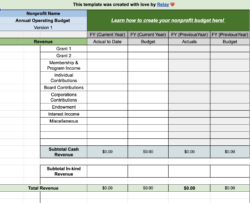
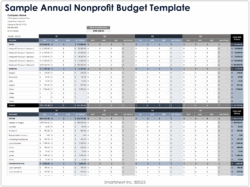
Running a non profit organization is a deeply rewarding endeavor, focused on making a positive impact in the world. However, even with the noblest intentions, financial stability is paramount for sustained success. This is where a robust non profit monthly budget template becomes an invaluable tool. It’s more than just numbers on a spreadsheet; it’s a strategic roadmap that ensures your mission stays on track, resources are utilized effectively, and donor trust is maintained.
Many non profits operate with limited resources, relying heavily on grants, donations, and fundraising efforts. The ebb and flow of these income streams, combined with the constant need to manage program expenses, administrative costs, and unexpected expenditures, can make financial planning feel like a daunting task. Without a clear financial framework, organizations can quickly find themselves struggling to meet their commitments or even facing operational challenges.
Imagine having a clear picture of every dollar coming in and going out each month, allowing you to make informed decisions, anticipate needs, and adapt to changes proactively. That’s the power a well-structured monthly budget provides. It helps you allocate funds wisely, demonstrating accountability to your stakeholders and ensuring every cent goes towards fulfilling your organizational goals.
Understanding the Core of Your Non Profit Monthly Budget
A non profit monthly budget is essentially a detailed forecast of your organization’s expected income and expenses for a single month. It serves as a financial compass, guiding your spending and helping you measure actual performance against your planned activities. While the core concept is similar to a for-profit budget, non profits have unique considerations, such as managing restricted funds, diverse funding sources, and a strong emphasis on program impact.
One of the first steps in building an effective monthly budget is to accurately project your income. For non profits, this typically involves grants from foundations or government bodies, individual donations, corporate sponsorships, fundraising event revenues, and membership fees. It’s crucial to categorize these sources and be realistic about their timing and likelihood. For instance, grant funding often has specific reporting periods and disbursement schedules that must be factored in.
Next, you’ll need to meticulously list all your anticipated expenses. These can be broadly divided into operational and program-specific costs. Operational expenses include items like staff salaries and benefits, rent, utilities, insurance, office supplies, and administrative software subscriptions. These are the essential costs of keeping your organization running, regardless of specific program activities.
Program-specific expenses are directly tied to the services you provide or the projects you undertake. This might include costs for materials for workshops, stipends for beneficiaries, event venue rentals, marketing for awareness campaigns, or travel expenses for outreach programs. Clearly separating these allows you to see the direct financial impact of your mission-driven work and helps in reporting to specific grantors.
A critical distinction in non profit budgeting is understanding restricted versus unrestricted funds. Restricted funds are those donated for a specific purpose, such as a grant explicitly for a new youth literacy program. These funds cannot be used for anything else. Unrestricted funds, on the other hand, can be allocated by the organization’s leadership to cover general operating costs or where the need is greatest. Your non profit monthly budget needs to track these separately to ensure compliance and proper stewardship of donor contributions.
Regularly reviewing your monthly budget against actual financial activity is not just good practice, it’s essential. This means comparing your projected income and expenses with what actually happened. Did you receive fewer donations than expected? Did a particular program cost more than anticipated? This analysis helps you identify trends, uncover potential problems early, and adjust your spending or fundraising strategies for future months. It transforms the budget from a static document into a dynamic management tool.
Having a well-defined monthly budget fosters greater transparency and accountability within your organization and towards your donors. It helps prevent overspending, identifies areas where cost savings might be possible, and ensures that resources are always aligned with your mission. It empowers your team to make financially sound decisions, contributing to the long-term sustainability and effectiveness of your non profit.
Implementing Your Monthly Budget Template Effectively
Once you have a good grasp of the components, the next step is to make your non profit monthly budget template work for you. Start by populating it with historical data if available, as this provides a realistic baseline for future projections. Don’t be afraid to estimate and then refine your figures as you gain more experience. It’s a living document, not a rigid set of rules that can’t be adjusted.
When setting up your template, consider including columns for “Budgeted Amount,” “Actual Amount,” and “Variance.” The variance column is incredibly helpful for quickly spotting discrepancies and understanding why they occurred. This immediate feedback loop is crucial for course correction and for making more accurate forecasts in subsequent months. Ensure your template is accessible to relevant team members, fostering a culture of financial awareness across the organization.
Here are some key sections often found within a comprehensive monthly budget template for non profits:
- Income Sources: Categorize by grants, individual donations, events, membership, etc.
- Personnel Expenses: Salaries, wages, benefits, payroll taxes.
- Occupancy Costs: Rent, utilities, insurance, maintenance.
- Program Expenses: Direct costs associated with delivering services.
- Administrative Expenses: Office supplies, professional fees, technology.
- Fundraising Expenses: Costs related to events, campaigns, donor management.
- Capital Expenditures: Purchases of assets like equipment (if allocated monthly).
- Cash Flow Summary: A quick overview of cash in vs. cash out.
Regular review meetings, perhaps monthly or quarterly, involving key financial staff and program managers, can significantly enhance the budget’s utility. These meetings are opportunities to discuss variances, adjust forecasts, and plan for upcoming financial needs or opportunities. By fostering collaborative engagement with the budget, you ensure that it remains relevant and reflective of your organization’s evolving financial landscape.
Embracing a structured approach to your monthly finances is a significant step towards ensuring your non profit’s long-term viability and impact. It provides clarity, enhances decision-making, and builds greater trust with those who support your mission. By consistently managing your budget, you’re not just handling numbers; you’re safeguarding the resources that empower you to change lives and build a better community.
Ultimately, financial management is about stewardship. A well-maintained monthly budget allows your organization to be accountable, efficient, and strategic in every dollar spent. It helps you maximize your reach and effectiveness, ensuring that your valuable work continues to thrive and make a difference for years to come.