Bringing a captivating theatre production to life is an exciting endeavor, but behind every dazzling stage performance lies meticulous planning. Securing funding from an arts council is often crucial for these projects, and a well-structured budget is the cornerstone of a successful grant application.
Understanding how to present your financial needs clearly and comprehensively is paramount. This article will guide you through creating an effective arts council theatre project budget template, helping you navigate the complexities of project financing and increase your chances of securing the support you need.
A robust budget plan not only demonstrates financial responsibility but also showcases the viability and scope of your artistic vision. It assures funders that their investment will be managed wisely, maximizing the impact of their contribution to the arts. By the end of this article, you will have a clear understanding of what goes into an optimal budget, complete with examples and practical advice.
Understanding Arts Council Funding Expectations
Arts councils typically look for detailed, realistic, and justified budgets that align with the scope of the proposed theatre project. They want to see that you have thoroughly considered all potential income sources and expenditures. A clear budget demonstrates your project management capabilities and financial foresight to the funding body. This financial clarity is often a make-or-break factor in competitive grant processes.
Funders also seek evidence of cost-effectiveness and value for money. They appreciate budgets that show a balance between ambition and practicality, ensuring public funds are used efficiently. Providing a well-researched financial breakdown instills confidence in your ability to deliver the project as promised.
Key elements arts councils often scrutinize include:
- Detailed breakdown of all income streams, including projected box office, sponsorship, and other grants.
- Comprehensive list of expenditures, categorized logically (e.g., personnel, venue, marketing, production design).
- A clear justification for each major cost, explaining why it is necessary for the project’s success.
- Evidence of contingency planning to cover unforeseen expenses, usually a percentage of the total budget.
- Any in-kind contributions, which represent donated goods or services that reduce direct cash costs.
Essential Components of a Theatre Project Budget
Every theatre project budget should clearly delineate both income and expenditure categories. A balanced budget shows that projected income is sufficient to cover all planned costs. Starting with a clear arts council theatre project budget template can help you ensure no critical details are overlooked. Think of your budget as a financial narrative for your production.
Projected Income Sources
Identifying all potential income streams is crucial for any theatre project. These sources help to cover your operational and production costs. Be realistic when estimating figures, as overestimating income can lead to significant financial shortfalls later on.
Common income sources include:
- Arts Council Grants: The primary funding you are applying for.
- Other Grants & Foundations: Support from additional charitable organizations.
- Box Office/Ticket Sales: Revenue generated from audience attendance.
- Sponsorship & Donations: Contributions from corporate partners or individual donors.
- Fundraising Events: Income from specific events held to raise money for the project.
- In-Kind Contributions: Value of donated services (e.g., volunteer hours, free rehearsal space) or materials.
Detailed Expenditure Categories
Expenditures need to be broken down into clear, manageable categories. This helps the arts council understand where their money will be spent and allows you to track costs effectively. Each item should be itemized as much as possible, with unit costs and quantities clearly stated.
Typical expenditure categories include:
- Personnel Costs: Salaries, fees, and wages for cast, crew, director, designers, and administrative staff.
- Venue & Rehearsal Space: Rental fees for performance venues and rehearsal facilities.
- Production Costs: Scenery, props, costumes, lighting equipment, sound equipment, special effects.
- Marketing & Publicity: Advertising, graphic design, printing, social media promotion, press kits.
- Travel & Accommodation: Expenses for artists or staff traveling for rehearsals or performances.
- Insurance & Licenses: Public liability insurance, performance rights, music licenses.
- Administrative Costs: Office supplies, communication, accounting fees.
- Contingency: An essential fund (typically 10-15% of total expenses) for unexpected costs.
Sample Arts Council Theatre Project Budget Template Structure
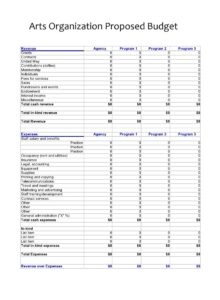
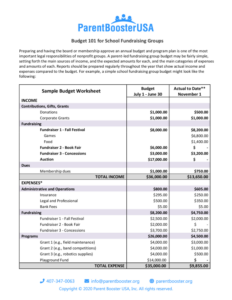
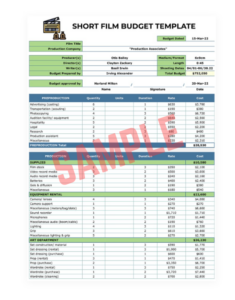
A well-organized budget template provides a clear overview of your project’s financial landscape. This structure typically divides into income and expenditure, often with subsections for greater detail. Remember, clarity and precision are key when submitting your arts council theatre project budget template. Visual aids are important.
Here is a simplified format you might use:
| Category | Item/Description | Unit Cost | Quantity | Total Cost | Notes/Justification |
|---|---|---|---|---|---|
| Projected Income | |||||
| Grants | Arts Council Grant Request | N/A | 1 | £[Amount] | Primary funding request |
| Other Grant (e.g., Local Foundation) | N/A | 1 | £[Amount] | Awaiting confirmation | |
| Sales | Ticket Sales (Est. 500 tickets @ £20) | £20 | 500 | £10,000 | Based on similar past productions |
| Merchandise Sales | N/A | N/A | £500 | T-shirts, programs | |
| Contributions | Individual Donations | N/A | N/A | £1,500 | Targeted campaign |
| In-Kind (Volunteer Hours @ £15/hr) | £15 | 100 | £1,500 | Volunteer ushers, marketing help | |
| TOTAL PROJECTED INCOME | £[Grand Total Income] | ||||
| Projected Expenditure | |||||
| Personnel | Director’s Fee | £2,500 | 1 | £2,500 | Fee for 8 weeks of work |
| Actors’ Fees (4 actors @ £1,000 each) | £1,000 | 4 | £4,000 | Rehearsal and performance fees | |
| Venue | Theatre Rental (4 weeks @ £500/week) | £500 | 4 | £2,000 | Includes utilities |
| Rehearsal Space (2 weeks @ £200/week) | £200 | 2 | £400 | Local community hall | |
| Production | Set Design & Build Materials | N/A | N/A | £1,200 | Wood, paint, fabric |
| Costume Procurement/Creation | N/A | N/A | £800 | Fabric, alterations, accessories | |
| Marketing | Print Advertising (Posters, Flyers) | N/A | N/A | £300 | Local distribution |
| Digital Marketing (Social Media Ads) | N/A | N/A | £400 | Targeted online campaigns | |
| Other | Insurance (Public Liability) | N/A | 1 | £250 | Standard project coverage |
| Contingency (10% of total expenditure) | N/A | N/A | £[10% of subtotal] | For unforeseen expenses | |
| TOTAL PROJECTED EXPENDITURE | £[Grand Total Expenditure] | ||||
| BALANCE (Income – Expenditure) | £0 | ||||
This table offers a clear, itemized approach to your financial planning. You should adapt the specific categories and items to suit the unique needs of your theatre production. Remember to provide detailed justifications for each significant expense, explaining why it is essential for the quality and success of your project.
Crafting a robust and transparent budget is arguably the most critical step in securing funding for your theatre project. By utilizing an organized arts council theatre project budget template and carefully detailing all income and expenditure, you present a professional and trustworthy application. This diligent approach not only enhances your chances of receiving grants but also lays a strong foundation for effective project management throughout the production.
A well-considered budget acts as your financial roadmap, guiding decisions and ensuring resources are allocated efficiently. Taking the time to build a comprehensive financial plan now will pay dividends in the long run, helping you achieve your artistic goals and bring memorable theatre to audiences.