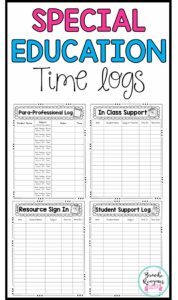
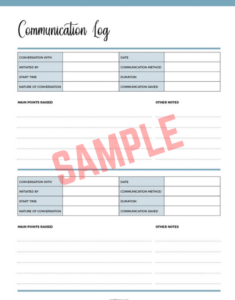
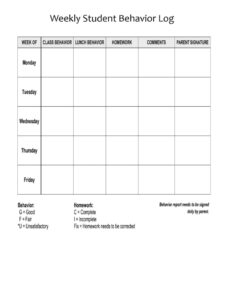
Ensuring every student with special needs receives the tailored support outlined in their Individualized Education Program (IEP) is a top priority for educators and service providers. Accurate and consistent documentation is not just good practice; it’s a legal necessity that underpins effective special education. A well-designed daily special education service log template becomes an invaluable tool in this crucial endeavor, providing a clear, concise record of services rendered.
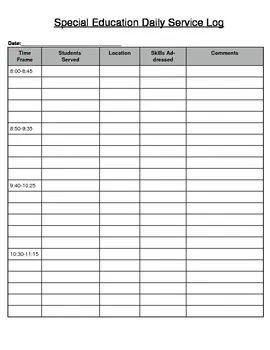
This article will explore the critical importance of robust documentation in special education, delve into the essential components that make up an effective service log, and provide a practical sample to guide your efforts. Understanding how to meticulously track service delivery ensures accountability, supports student progress, and fosters transparency with families and IEP teams. By the end, you will have a comprehensive understanding of how to implement and utilize a reliable system for documenting special education services.
The Critical Role of Service Documentation in Special Education
Detailed service documentation stands as the backbone of compliance and accountability within special education. Federal laws, such as the Individuals with Disabilities Education Act (IDEA), mandate that schools provide specific services to students with disabilities and meticulously track their delivery. Without a clear record, it becomes challenging to demonstrate adherence to these legal requirements.
Beyond compliance, a thorough record of services allows educators and therapists to track student progress over time. This data is essential for assessing the effectiveness of interventions and making informed decisions during IEP review meetings. Consistent logging helps identify patterns, highlight areas of growth, and pinpoint where adjustments to a student’s program might be necessary.
Furthermore, a well-maintained service log facilitates transparent communication among all stakeholders. Parents, guardians, teachers, and related service providers can easily review the services a student has received, fostering trust and collaboration. It provides concrete evidence for discussions about service frequency, duration, and the specific goals addressed, ensuring everyone is on the same page regarding the student’s educational journey.
Accurate documentation can also serve as a protective measure for service providers and school districts. In cases where questions or disputes arise regarding service delivery, a comprehensive daily special education service log template provides objective, factual evidence. It underscores the commitment to meeting each student’s unique needs and supports the integrity of the special education process.
Essential Elements of an Effective Daily Special Education Service Log Template
Creating a daily special education service log that is both comprehensive and easy to use is key to consistent documentation. An effective template ensures that all necessary information is captured, providing a clear and detailed account of services provided. It helps maintain organization and reduces the risk of overlooking critical data points.
A well-designed log should include identifying information for the student, the service provider, and the date of service. It’s crucial to specify the type of service delivered, such as speech therapy, occupational therapy, counseling, or resource room support. Documenting the duration of the service, whether in minutes or hours, is also a fundamental component for accurate tracking.
Crucially, the log must detail the specific IEP goal(s) addressed during the session. This links the service directly back to the student’s individualized plan and demonstrates progress towards their objectives. A brief, objective note about the activity or focus of the session, along with the student’s response or progress, provides valuable qualitative data.
Consider including a section for attendance and any relevant comments about the session, such as challenges encountered or particular successes. A clear space for the service provider’s signature ensures accountability and verifies the information logged. Below is a sample daily special education service log template illustrating these essential elements:
| Date | Student Name | Service Provided | Duration (Min) | IEP Goal(s) Addressed | Activity/Focus & Student Response | Provider Initials |
|---|---|---|---|---|---|---|
| MM/DD/YYYY | Jane Doe | Speech Therapy | 30 | Goal 1.2: Articulation of /r/ sound | Practiced /r/ in words and sentences. Jane achieved 80% accuracy with visual cues. | J.S. |
| MM/DD/YYYY | John Smith | Resource Room Support | 45 | Goal 3.1: Complete math assignments | Assisted with multi-step division problems. John independently completed 3/5 problems. | M.L. |
| MM/DD/YYYY | Emily White | Occupational Therapy | 20 | Goal 2.3: Improve fine motor skills | Engaged in handwriting practice (letter formation). Emily showed improved pencil grip. | S.A. |
This structured approach ensures that all pertinent information is consistently recorded, creating a reliable history of service delivery. It significantly streamlines the process of tracking individual student needs and demonstrating accountability.
Maximizing Efficiency with Your Daily Service Log
Implementing a daily service log effectively goes beyond simply filling out a form; it involves strategic practices that enhance its utility and impact. Consistency in logging is paramount; services should be documented immediately after delivery to ensure accuracy and prevent omissions. This routine habit helps maintain a real-time record of student support.
Training staff on how to properly use the daily special education service log template is another critical step. Clear guidelines on what information to include, how to articulate student progress, and the importance of objective notes will improve the quality and uniformity of documentation across the team. Regular check-ins can address any questions or inconsistencies.
Whether you opt for a digital or physical logging system, ensure it is accessible and secure. Digital logs often offer benefits like easy data analysis, search capabilities, and reduced paper waste, while physical logs can be simple and quick for on-the-go service providers. The chosen system should integrate seamlessly into existing workflows without becoming an additional burden.
- Regular Review: Periodically review logs to ensure accuracy, completeness, and consistency across providers.
- IEP Alignment: Ensure every logged service directly relates to specific IEP goals, demonstrating goal-oriented support.
- Data Utilization: Use the collected data to inform IEP meetings, progress reports, and discussions with parents about student achievement.
- Feedback Loop: Establish a feedback mechanism for service providers to report challenges or suggest improvements to the logging process.
By embracing these best practices, your daily service log transforms from a mere compliance tool into a powerful resource for student growth and program improvement.
Maintaining accurate and comprehensive records of special education services is fundamental to ensuring every student receives the support they need to thrive. A well-designed daily special education service log template simplifies this complex task, providing a structured way to track service delivery, monitor student progress, and ensure compliance with legal mandates. It acts as a clear communication tool, fostering collaboration among educators, therapists, and families.
By consistently documenting services, detailing IEP goal attainment, and utilizing the data effectively, educational teams can make informed decisions that directly impact student outcomes. Implementing a robust logging system, whether digital or physical, empowers service providers to demonstrate accountability and celebrate student achievements. Embrace the power of meticulous documentation to enhance the quality and transparency of special education services for all.