Ensuring the safety and security of any property, whether commercial or residential, relies heavily on diligent monitoring and comprehensive documentation. A well-executed security patrol is the cornerstone of proactive protection, helping to deter potential threats and respond swiftly to incidents that may arise.
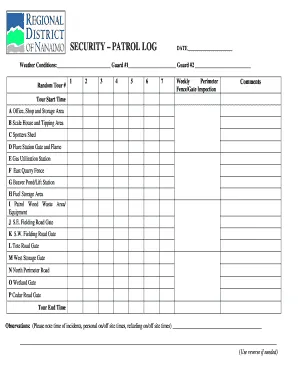
For security teams, maintaining comprehensive records of their activities is not just good practice; it is essential for accountability, compliance, and continuous operational improvement. This is where a robust daily security patrol log template becomes an invaluable tool, providing a structured and consistent way to capture vital information and streamline reporting processes effectively.
Why a Structured Security Patrol Report Form is Essential
Detailed documentation is a non-negotiable aspect of professional security operations. A structured security patrol report form provides irrefutable evidence of patrols conducted, observations made, and actions taken, serving multiple critical functions within a security framework.
Firstly, it aids in incident documentation, ensuring that every anomaly, suspicious activity, or breach is recorded accurately and promptly. This detailed log forms the basis for investigation and can be crucial for legal or insurance purposes. It establishes a clear chain of events and responsibilities.
Moreover, consistent use of a daily security patrol log template enables trend analysis over time. Security managers can identify recurring issues, high-risk areas, or peak times for incidents, allowing for the strategic deployment of resources and proactive security enhancements. This data-driven approach significantly strengthens overall protection strategies.
Furthermore, these logs provide undeniable proof of service, demonstrating to clients or stakeholders that security protocols are being followed rigorously. They enhance accountability among security personnel, fostering a sense of responsibility and professionalism in their daily duties. Without a standardized log, tracking and verifying these crucial activities becomes incredibly challenging.
Key Components of an Effective Security Guard Log Sheet
To be truly effective, a security guard log sheet must capture specific, actionable information. While the exact fields may vary by location and type of patrol, several core components are universally beneficial for a comprehensive daily security patrol log template.
- Date and Time: Essential for tracking when patrols occurred and when observations were made.
- Patrol Officer Name/ID: Identifies who conducted the patrol, promoting accountability.
- Location/Checkpoint: Details the specific area or checkpoint being inspected during the patrol.
- Observations: A section to note any unusual findings, suspicious persons, unlocked doors, or property damage.
- Incidents Reported: Specific details of any incidents, including type, severity, and time of occurrence.
- Actions Taken: Describes any immediate responses, such as contacting supervisors, law enforcement, or securing an area.
- Remarks/Follow-up: Additional notes, recommendations, or requirements for subsequent actions.
Having these fields readily available ensures that security personnel do not miss critical details during their rounds. It creates a standardized record that is easy to review and reference, enhancing the clarity and utility of the patrol documentation.
Sample Daily Security Patrol Log Template
Below is an example of a simple yet effective daily security patrol log template that can be adapted for various security environments. This structure ensures all pertinent information is captured consistently.
| Date | Time | Officer ID | Patrol Area/Checkpoint | Observations | Incidents | Actions Taken | Remarks |
|---|---|---|---|---|---|---|---|
| 2024-03-15 | 09:00 | SG-001 | Main Entrance, Lobby | All clear. Front desk attended. | None | N/A | Routine check. |
| 2024-03-15 | 10:30 | SG-001 | Warehouse Perimeter (East) | Gate 3 found ajar. | Potential Security Breach | Secured Gate 3, reported to Supervisor. | Supervisor notified: John Doe. |
| 2024-03-15 | 11:45 | SG-001 | Parking Lot C | Vehicle (Red Sedan, AB123) parked in restricted zone. | Parking Violation | Issued warning notice. | Photo taken of vehicle and notice. |
| 2024-03-15 | 14:00 | SG-001 | Loading Dock | Overturned trash bin, minor spillage. | Minor Sanitation Issue | Cleaned spillage, righted bin. | Area secured, no further issues. |
Best Practices for Maintaining Security Checkpoint Records
Beyond simply having a template, the real value comes from its consistent and accurate use. Implementing best practices for maintaining security checkpoint records ensures the data collected is reliable and useful for decision-making and operational improvements.
Firstly, provide thorough training to all security personnel on how to properly fill out the daily security patrol log template. Ensure they understand the importance of clear, concise, and factual reporting, avoiding personal opinions or vague descriptions. Consistency across the team is paramount for data integrity.
Secondly, consider implementing a review process where supervisors regularly check completed logs for completeness and accuracy. This helps catch errors early and provides opportunities for feedback and ongoing training. Regular audits of these records can also highlight areas where protocols might need adjustment.
Lastly, determine whether a physical paper log or a digital guard tour management system is best suited for your operations. Digital solutions often offer real-time updates, GPS tracking, and easier data analysis, but robust physical logs remain effective for smaller operations or as a backup. The key is choosing a system that facilitates accurate and timely entries.
Customizing Your Patrol Documentation for Specific Needs
While a general daily security patrol log template provides a solid foundation, different environments demand tailored documentation. Adapting your patrol log to specific property types and operational needs significantly enhances its effectiveness and relevance. For instance, a residential community might require fields for resident interaction logs or specific amenity checks.
Conversely, an industrial site or manufacturing plant may need additional sections for equipment status checks, hazardous material storage inspections, or critical infrastructure monitoring. Think about the unique risks and assets of your location and integrate those into your patrol documentation. Adding specific checklists for these specialized tasks can ensure nothing is overlooked during routine security rounds.
Regularly review and update your template based on incident trends, new regulations, or changes in property layout. This ensures your daily security patrol log template remains a dynamic and responsive tool that truly supports your security objectives. A flexible approach allows your security operations to evolve and adapt to new challenges effectively.
In conclusion, the strategic implementation of a robust daily security patrol log template is an indispensable component of any effective security program. It elevates security operations from simple rounds to a system of accountable, data-driven protection. By providing a clear framework for observation, incident reporting, and action, these logs ensure that every detail, no matter how small, is captured and utilized.
Embracing a standardized logging process not only enhances the efficiency and professionalism of your security team but also provides invaluable insights for ongoing risk management and strategic planning. Begin incorporating a comprehensive patrol log into your daily routine to solidify your security posture and foster a safer environment for everyone involved.
