Ensuring food safety is paramount, whether you operate a bustling restaurant, a school cafeteria, or simply manage your home kitchen. One of the most critical steps in preventing foodborne illnesses is accurate temperature monitoring. This practice helps to keep food out of the “danger zone,” where harmful bacteria can multiply rapidly. A reliable daily food temperature log template is an indispensable tool for maintaining these vital safety standards.
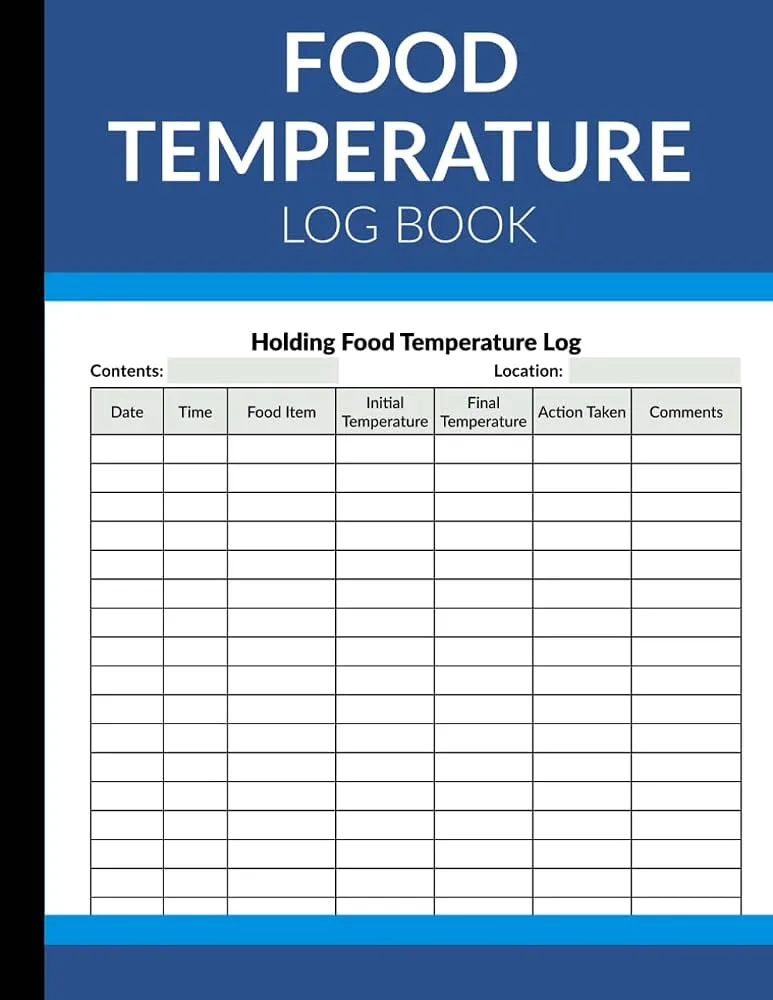
This article will guide you through understanding the importance of consistent temperature logging, explore the key components of an effective log, and provide a practical sample template you can adapt for your needs. By the end, you’ll be equipped with the knowledge to implement a robust food temperature monitoring system that safeguards health and ensures compliance.
Key Elements of an Effective Daily Food Temperature Log Template
An effective food temperature log isn’t just a piece of paper; it’s a critical record of your commitment to food safety. It provides an auditable trail for health inspections and acts as an early warning system for potential hazards. Understanding what details to capture is crucial for its functionality and effectiveness.
Every well-designed daily food temperature log template should include specific sections to ensure comprehensive tracking. These sections help document the entire lifecycle of food, from receiving to serving. Consistency in recording these details is key to preventing cross-contamination and bacterial growth.
Here are the essential components that every food temperature log should feature:
- Date: Clearly indicates when the temperatures were recorded.
- Time: Specifies the exact time of the temperature reading, often recorded multiple times a day.
- Item/Food Description: A precise description of the food product being monitored (e.g., “Cooked Chicken Breast,” “Potato Salad,” “Refrigerated Milk”).
- Location/Equipment: Identifies where the food is located or which piece of equipment it is in (e.g., “Walk-in Cooler #1,” “Prep Line Cold Well,” “Oven #2”).
- Temperature (Actual): The actual temperature reading taken with a calibrated thermometer. This is typically recorded in Fahrenheit or Celsius.
- Acceptable Temperature Range: The target temperature range for the specific food item or equipment (e.g., “Below 41°F,” “Above 135°F,” “Cooked to 165°F”).
- Corrective Action Taken (if applicable): If a temperature is out of range, this section details what was done to correct the issue (e.g., “Reheated to 165°F,” “Discarded,” “Adjusted Cooler Setting”).
- Initials/Signature: The signature or initials of the staff member who took the reading, ensuring accountability.
- Supervisor Review: A space for a supervisor to sign off, indicating they have reviewed the log.
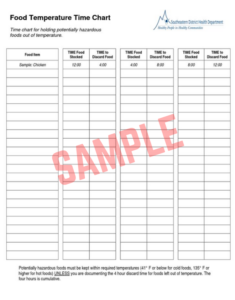
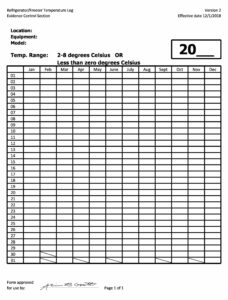
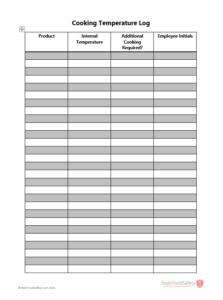
Here is a sample daily food temperature log template demonstrating these elements:
| Date | Time | Food Item / Description | Location / Equipment | Actual Temp (°F/°C) | Acceptable Temp Range (°F/°C) | Corrective Action Taken | Taken By (Initials) | Reviewed By (Signature) |
|---|---|---|---|---|---|---|---|---|
| MM/DD/YYYY | 08:00 AM | Raw Ground Beef | Walk-in Cooler #1 | 38°F | < 41°F | N/A | JS | |
| MM/DD/YYYY | 12:00 PM | Hot Held Chicken Soup | Steam Table #2 | 145°F | > 135°F | N/A | AM | |
| MM/DD/YYYY | 03:00 PM | Cooked Rice | Reach-in Refrigerator | 45°F | < 41°F | Cooled to 39°F within 2 hours | JS | |
| MM/DD/YYYY | 06:00 PM | Baked Potatoes | Holding Cabinet | 132°F | > 135°F | Reheated to 165°F | AM |
Implementing a consistent temperature logging system using a structured daily food temperature log template significantly reduces the risk of foodborne illnesses. It empowers your team to take immediate action when temperatures fall out of safe zones. This proactive approach not only protects your customers or family but also reinforces your establishment’s reputation for upholding high food safety standards.
Regularly reviewing these logs helps identify patterns, such as failing equipment or training gaps, allowing for timely intervention. By making food temperature logging a standard operating procedure, you contribute to a safer food environment for everyone. Start using a well-designed template today to ensure diligent temperature monitoring in all your food handling processes.