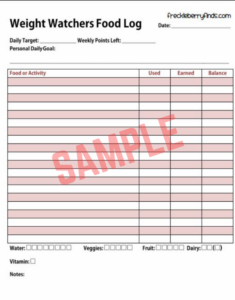
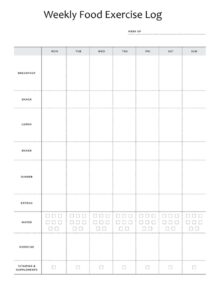
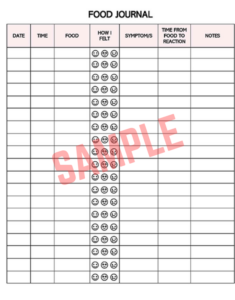
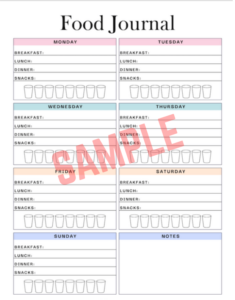
Understanding your eating habits is a powerful step towards better health and wellness. Many people struggle to identify patterns in their diet, often unaware of hidden sugars, unhealthy fats, or nutrient deficiencies. A structured approach to tracking what you consume can shine a light on these areas, guiding you toward informed choices for a healthier lifestyle.  This is where a dedicated daily food intake log template becomes incredibly valuable. It provides a simple, systematic way to record every meal, snack, and beverage. By the end of this article, you will not only understand the profound benefits of food logging but also have a clear example of an effective daily food intake log template to start your own journey.
Simplifying Your Nutrition Tracking with a Daily Food Intake Log
Keeping a detailed record of what you eat can seem like a daunting task at first, but with a well-designed daily food intake log template, it becomes remarkably straightforward. This tool empowers you to gain insight into your dietary patterns without feeling overwhelmed. It’s more than just counting calories; it’s about building awareness.
A well-structured food diary allows you to monitor your portion sizes accurately. Many individuals underestimate how much they truly eat, especially when snacking throughout the day. Logging helps bring these often-unconscious habits into sharp focus. Furthermore, a comprehensive food intake log helps identify potential triggers for overeating or unhealthy cravings. You might discover certain moods, times of day, or specific situations that lead to less healthy choices.
This awareness is the first step toward making positive changes. Regularly reviewing your entries in a daily food intake log template can also reveal nutrient gaps. Are you getting enough fruits, vegetables, and whole grains? Is your protein intake adequate? This information is crucial for optimizing your nutrition and supporting your overall health goals. Below is a sample of a simple, yet effective, daily food intake log template you can use. 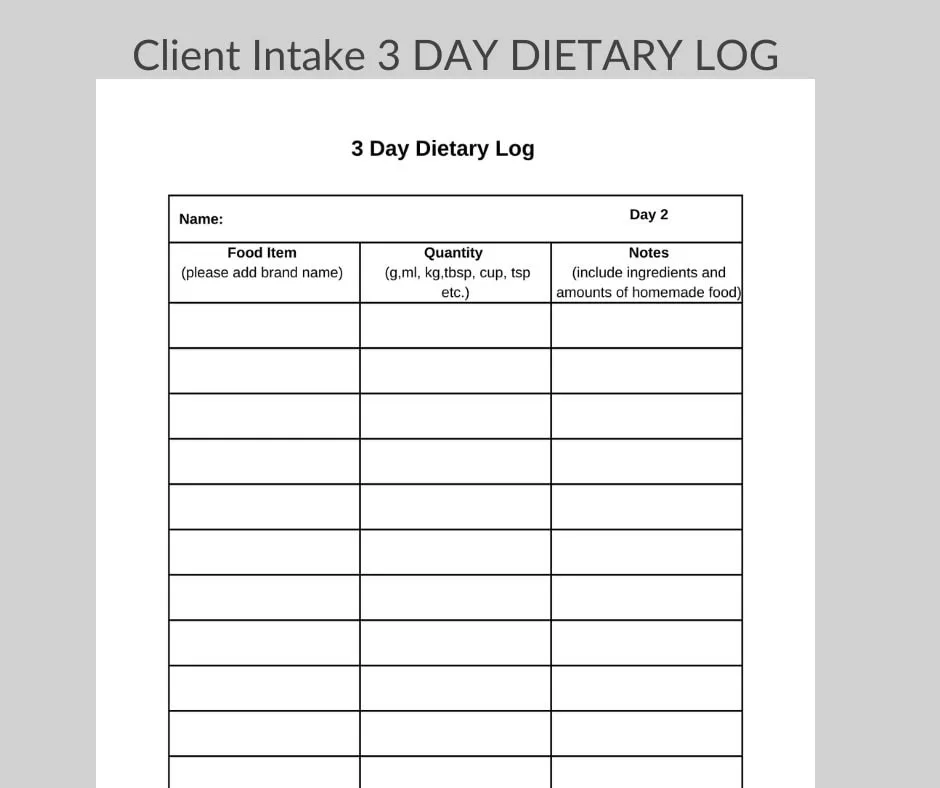
| Time | Meal Type | Food Items & Quantity | Portion Size | Notes/Feelings (Optional) |
|---|---|---|---|---|
| 7:00 AM | Breakfast | Oatmeal with berries and nuts | 1 cup cooked oats, 1/2 cup mixed berries, 1 tbsp almonds | Felt energized, not too full. |
| 10:30 AM | Snack | Apple slices with peanut butter | 1 medium apple, 2 tbsp peanut butter | Needed a pick-me-up. |
| 1:00 PM | Lunch | Grilled chicken salad | 4 oz chicken breast, 2 cups mixed greens, 1/4 cup vinaigrette | Satisfying and light. |
| 4:30 PM | Snack | Greek yogurt | 1 container (5.3 oz) plain Greek yogurt | Feeling a bit hungry before dinner. |
| 7:00 PM | Dinner | Baked salmon with roasted vegetables | 5 oz salmon, 1 cup broccoli, 1/2 cup sweet potato | Delicious and filling. |
| 9:00 PM | Snack | Herbal tea | 1 cup | Relaxing before bed. |
This sample demonstrates how straightforward it can be to document your daily consumption. Consistency is key when using any food intake log. Make it a habit to jot down your meals and snacks immediately after eating to ensure accuracy and prevent forgetting details. Beyond the basic entries, you might consider adding columns for water intake, mood, or even physical activity levels. These additional details can provide a more holistic view of your health patterns.
Customizing your daily food intake log template to fit your specific needs will make it an even more effective tool for your health journey. Taking control of your dietary information empowers you to make healthier, more informed choices every day. Whether your goal is weight management, improved energy levels, or simply better overall nutrition, a consistent food diary can be your greatest ally. Start tracking today to unlock valuable insights into your personal wellness.
Embrace the simplicity and effectiveness of a well-utilized food log. By diligently recording your daily intake, you are not just tracking food; you are actively investing in a clearer understanding of your body’s needs and fostering sustainable healthy habits for the long term.