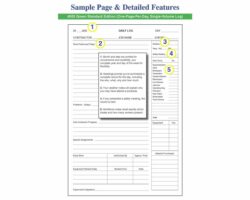
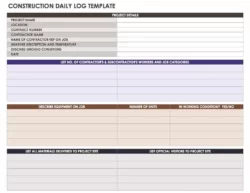
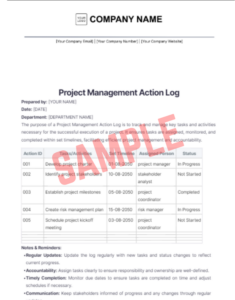
Managing construction projects, tracking progress, and keeping a close eye on expenses can be a complex juggling act for any contractor. Without a clear, systematic approach to documenting daily activities, it’s easy for details to slip through the cracks, leading to misunderstandings, cost overruns, or project delays. This is where a robust contractor weekly work log template becomes an indispensable tool, transforming chaos into clarity.
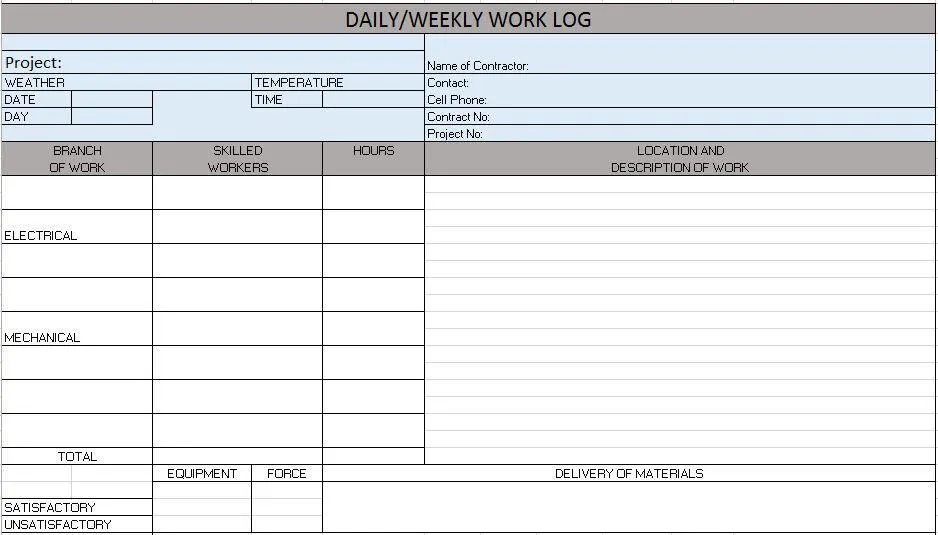
An effective weekly work log acts as your project’s diary, capturing essential data that supports better decision-making, streamlines communication, and ensures accountability across your team and with clients. This article will delve into the critical elements of a well-designed work log, explore its numerous benefits, and provide you with a practical example to implement in your operations, helping you achieve greater efficiency and transparency.
The Benefits of a Standardized Weekly Work Log for Contractors
Implementing a standardized weekly work log can revolutionize how you manage your construction projects, offering a multitude of advantages that extend beyond simple record-keeping. These detailed documents serve as a central repository for project-related information, fostering better organization and operational oversight. They are far more than just timesheets; they are comprehensive project snapshots.
Firstly, a consistent work log significantly improves project tracking and accountability. By documenting tasks completed, hours worked, materials used, and any issues encountered daily, contractors gain a granular view of progress. This level of detail helps pinpoint bottlenecks, identify potential delays early, and ensure that subcontractors are meeting their commitments, leading to more predictable project timelines.
Furthermore, these logs are invaluable for accurate billing and dispute resolution. When every hour, material, and unexpected event is meticulously recorded, you have irrefutable evidence to back up your invoices and change orders. Should a client question a charge or a project timeline, your contractor weekly work log template provides concrete data, preventing disputes and strengthening client relationships built on trust and transparency.
Finally, consistent documentation aids in future project planning and compliance. Reviewing past work logs allows you to accurately estimate labor and material costs for similar projects, improving your bidding accuracy. They also serve as vital records for insurance purposes, safety audits, and potential legal requirements, ensuring your business remains compliant and protected.
- Enhances daily progress monitoring and task management.
- Provides accurate data for client invoicing and change orders.
- Acts as official documentation in case of project disputes or audits.
- Helps in better resource allocation and scheduling.
- Improves overall team communication and accountability.
Key Components of an Effective Contractor Weekly Work Log Template
Designing an effective contractor weekly work log template requires a clear understanding of what information is crucial for project oversight and financial accuracy. The goal is to capture essential details without overburdening your team with excessive paperwork. A well-structured template balances thoroughness with ease of use, encouraging consistent daily entries.
An ideal work log includes sections for basic project identification, detailed daily activities, labor hours, material usage, and any site-specific notes or incidents. Consistency in these entries is paramount, allowing for easy compilation and analysis at the end of each week. This structured approach ensures no critical information is missed, providing a complete picture of weekly operations.
Consider what metrics truly matter for your specific type of contracting work. Some projects may require more detailed equipment logs, while others focus heavily on client interactions. Customizing your contractor weekly work log template to fit your operational needs will significantly increase its utility and adoption rate among your team members.
Here is a sample structure for a highly functional contractor weekly work log:
| Date | Project Name/ID | Employee/Team | Hours Worked | Tasks Completed | Materials Used | Equipment Used | Notes/Issues | Supervisor Initials |
|---|---|---|---|---|---|---|---|---|
| MM/DD | Main Street Renovation | John Doe | 8 | Framing 1st floor; Electrical rough-in | 2×4 studs, 14/2 Romex | Miter Saw, Drill | Waiting for inspector on Friday. | (J.S.) |
| MM/DD | Main Street Renovation | Jane Smith | 8 | Plumbing rough-in; Sink installation | PVC pipes, fittings | Pipe wrench, Cutter | None | (J.S.) |
| MM/DD | Park Ave Deck Build | Team A | 24 (3 ppl) | Deck framing complete; Ledger board attached | Treated lumber, screws | Circular Saw, Nail Gun | Weather delay for 2 hours due to rain. | (M.T.) |
| … | … | … | … | … | … | … | … | … |
Beyond the daily entries, ensure your template includes sections for weekly totals, such as total labor hours, total material costs, and a summary of progress toward milestones. These weekly summaries are crucial for high-level reviews and reporting to stakeholders. They condense the daily details into digestible insights, making it easier to track project health.
Remember to design your template with clarity and user-friendliness in mind. Dropdown menus for common tasks or materials, along with clear instructions, can significantly reduce data entry errors and encourage consistent usage. A well-executed template becomes a valuable asset for every project.
Adopting a detailed and user-friendly weekly work log is not just about paperwork; it’s about building a foundation for more efficient, transparent, and profitable project management. The insights gained from consistent record-keeping empower you to make informed decisions, manage resources more effectively, and strengthen client relationships. It provides a clear historical account that is invaluable for every aspect of your contracting business.
By integrating a structured approach to daily and weekly reporting, contractors can move beyond reactive problem-solving to proactive project oversight. Take the step today to implement a comprehensive work log, tailoring it to your specific needs, and watch as your projects become more organized, your billing more accurate, and your business more robust. This simple tool can be the cornerstone of your operational excellence.