Stepping into adulthood brings a wave of exciting new responsibilities, and often, a hefty dose of financial independence. It is a thrilling time, but it can also feel overwhelming when you are suddenly in charge of your own money. Figuring out how to manage income, expenses, and savings can be a puzzle, but it does not have to be a stressful one. That is where a basic budget template for young adults comes into play.
Budgeting is not about restricting yourself or cutting out all the fun. Instead, it is a powerful tool that helps you understand where your money goes, make conscious choices about your spending, and work towards your financial goals. Whether you are saving for a new gadget, a down payment on an apartment, or just building an emergency fund, a well-structured budget is your roadmap to success.
The good news is that creating a budget does not require an accounting degree or hours of complicated calculations. With a simple, straightforward approach, you can gain clarity and control over your finances, setting a strong foundation for your future. Let us dive into how you can start.
Building Your Financial Blueprint Understanding Your Income and Expenses
The core of any effective budget is a clear understanding of your money coming in and your money going out. This might sound obvious, but many young adults are surprised to learn where their cash actually disappears to each month. The first step is to gather all your financial information. This includes pay stubs, bank statements, and any bills or receipts you might have. Do not worry if it looks like a lot at first; we will break it down.
Your income is usually the easier part. This includes your salary from your main job, any side hustles, or other regular payments you receive. It is important to calculate your net income, which is the amount of money you actually take home after taxes and other deductions. This is the figure you will be working with for your budget.
Now comes the more detailed part your expenses. These can broadly be categorized into fixed and variable expenses. Fixed expenses are those that generally stay the same each month, such as rent, loan payments, insurance premiums, and subscriptions. These are predictable and easier to account for in your budget.
Variable expenses, on the other hand, fluctuate. This includes things like groceries, dining out, entertainment, transportation, and personal care. These are the categories where you often have more control and where small adjustments can make a big difference in your overall spending. Tracking these diligently for a month or two will give you a realistic picture of your habits.
Once you have a good grasp of both your income and your expenses, you can start to allocate your money more strategically. This process helps you identify areas where you might be overspending and allows you to redirect funds towards your savings or debt repayment goals. It is all about making your money work harder for you, rather than wondering where it all went.
Key Components of a Budget
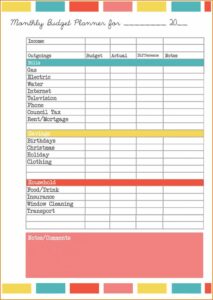
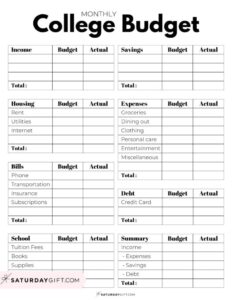
- Income Sources Your net pay from all jobs and any other money you regularly receive.
- Fixed Expenses Rent or mortgage, car payments, student loan payments, insurance, monthly subscriptions.
- Variable Expenses Groceries, dining out, entertainment, utilities that change (like electricity based on usage), transportation costs, clothing.
- Savings Goals Money allocated for your emergency fund, future large purchases, or retirement.
- Debt Repayment Specific amounts set aside to pay down credit card debt or other loans beyond minimum payments.
Making Your Budget a Lifelong Habit
Creating a budget is an excellent start, but the real power comes from consistently using and adjusting it. Think of your budget not as a rigid set of rules, but as a living document that evolves with your life. Your income might change, your expenses will certainly shift over time, and your financial goals will grow and adapt. Regularly reviewing your budget, perhaps once a month, helps ensure it remains relevant and effective for your current situation.
There are many different budgeting methods you can explore to find what suits you best. Some popular approaches include the 50/30/20 rule, where 50 percent of your income goes to needs, 30 percent to wants, and 20 percent to savings and debt repayment. Another is the zero-based budget, where every dollar of your income is assigned a job, preventing any money from being unaccounted for. Experimenting with different strategies can help you discover a system that feels natural and sustainable.
Remember, budgeting is a skill that improves with practice. Do not get discouraged if you overspend in a category one month or find it challenging to stick to your initial plan. The key is to learn from those instances, make adjustments, and keep moving forward. Utilize available tools like budgeting apps, simple spreadsheets, or even a pen and paper to track your progress and keep yourself accountable. The journey to financial literacy and freedom is continuous, and your budget is your most reliable companion.
Taking control of your finances as a young adult is one of the most empowering steps you can take for your future. It reduces stress, opens doors to new opportunities, and gives you the confidence to pursue your dreams without constant financial worry. By establishing good habits now, you are not just managing your money for today; you are building a secure and prosperous tomorrow.
Embrace the process, be patient with yourself, and celebrate every small victory along the way. Your financial well-being is a journey, not a destination, and with a practical budget in hand, you are well on your way to achieving remarkable things.