Planning a fashion show is an exciting venture, brimming with creativity and the promise of dazzling an audience. However, beneath the glitz and glamour lies a complex logistical challenge, where financial planning is paramount. To ensure your vision comes to life without unwelcome surprises, having a solid financial roadmap is not just recommended, it’s essential. That’s precisely where a robust fashion show event budget template becomes your invaluable ally.
From securing the perfect venue to dressing the models and orchestrating the entire experience, every element carries a cost. Without a clear and comprehensive budget, expenses can quickly spiral out of control, turning what should be a triumphant event into a financial headache. A well-structured template helps you allocate resources wisely, track expenditures, and make informed decisions every step of the way.
This article will walk you through the critical components of a fashion show budget, helping you understand where your money will go and how to manage it effectively. By breaking down the various categories, you’ll be better equipped to create a detailed financial plan that supports your creative aspirations and ensures a successful show.
Understanding the Core Components of Your Fashion Show Budget
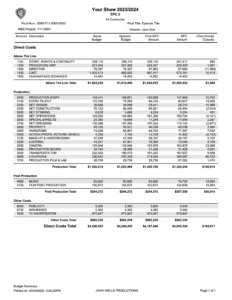
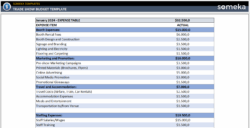
A fashion show budget is far more intricate than simply tallying up a few major costs. It’s a living document that needs to account for every single expense, no matter how small. Think of it as the backbone of your event, supporting every creative decision and logistical detail. Let’s delve into the major categories you’ll need to consider when populating your budget template.
Venue and Production Essentials
The space where your fashion show takes place sets the entire mood and atmosphere. This category encompasses much more than just the rental fee. You’ll need to factor in costs for site visits, permits, insurance, and security. Beyond the basic space, consider the production elements. This includes stage setup and design, which might involve risers, backdrops, and runway construction. Lighting is crucial for highlighting garments and creating dramatic effects, so budget for equipment rental, technicians, and specialized fixtures. Sound systems for music and any potential announcements, along with the audio engineer’s fees, are also key components here. Don’t forget about seating arrangements, decor, and any specialized equipment like projectors or screens.
Talent and Team Wages
The people who bring your show to life are a significant investment. Models, of course, are central, and their costs include agency fees, fitting fees, and payment for the show day itself. Consider diversity in your casting and the number of looks each model will showcase. Beyond models, you’ll need a skilled backstage team: stylists to dress the models, hair and makeup artists to create the desired looks, and dressers to ensure quick changes go smoothly. Technical staff for lighting and sound, stage managers, security personnel, ushers, and even a dedicated photographer and videographer to capture the moments all fall under this umbrella. Clearly defining roles and responsibilities early will help you accurately estimate these costs.
Spreading the Word: Marketing and PR
Even the most spectacular fashion show needs an audience. Marketing and public relations efforts are vital to generate buzz and attract attendees. This budget line includes designing and printing invitations, creating press kits for media outlets, and developing digital marketing campaigns. Think about social media advertising, email marketing platforms, and potentially collaborating with influencers. Hiring a publicist or PR agency to secure media coverage can be a significant but worthwhile investment. Also consider website development or updates, graphic design fees for promotional materials, and any costs associated with an after-party or VIP reception to network and celebrate your success.
Garment Handling and Logistics
The very stars of your show—the garments—require careful handling and logistical planning. Budget for transportation of clothing from designers or showrooms to the venue, which might involve specialized couriers. Once on-site, you’ll need facilities for steaming, pressing, and making any last-minute alterations. Security for the garments, particularly if they are high-value samples, is also a non-negotiable expense. Storage solutions before, during, and after the show, as well as return shipping, should be accounted for. Insurance for the collection while in transit and at the venue is also a wise precaution to include.
Miscellaneous and Contingency
No matter how meticulously you plan, unforeseen expenses inevitably arise. This category is for all those smaller, often overlooked items like permits and licenses (if not covered under venue), catering for your staff during long setup days, and refreshments for VIP guests. Most importantly, always include a contingency fund—typically 10-15% of your total budget. This acts as a safety net for unexpected issues, last-minute changes, or sudden price increases, ensuring that small hitches don’t derail your entire financial plan.
Putting Your Fashion Show Event Budget Template into Action
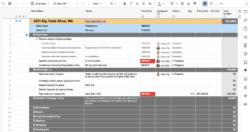
Once you have a comprehensive fashion show event budget template laid out with all the potential expense categories, the real work begins. It’s not enough to simply list items; you need to research each cost thoroughly. Start by getting multiple quotes for every service and supplier. Compare prices, understand what’s included in each package, and don’t be afraid to negotiate. Detail is key here; a line item for “venue” needs to be broken down into rental, cleaning, insurance, and so on. Populate your template with actual figures as you confirm them, rather than relying on estimates for too long.
Maintaining your budget isn’t a one-time task; it’s an ongoing process. Throughout the planning phase and even during the event, track every single expenditure against your allocated amounts. This constant monitoring allows you to see where you might be overspending and where you have some wiggle room. Keep all receipts and invoices organized, perhaps using a dedicated spreadsheet alongside your template, to ensure everything aligns with your financial plan. Regular reviews will help you make necessary adjustments before minor discrepancies become major problems.
Finally, remember that your budget is a tool to empower your creativity, not stifle it. While cost-saving is important, never compromise on elements that are critical to the quality and safety of your show. Look for smart ways to save, like seeking sponsorships, bartering services, or repurposing existing resources. A well-managed budget ensures that your fashion show is not only a stunning visual spectacle but also a financially sound and stress-free endeavor, allowing you to focus on the artistry and impact of your event.
Crafting a detailed and realistic budget is the cornerstone of a successful fashion show. It transforms abstract ideas into concrete financial plans, giving you the clarity and control needed to navigate the complexities of event production. With a clear financial roadmap, you can make informed decisions, mitigate risks, and ensure that every dollar spent contributes to the overall success and grandeur of your vision.
Embrace the power of thorough financial planning, and you’ll find that organizing your fashion show becomes a much more manageable and enjoyable experience. It allows you to transform your creative concepts into a breathtaking reality, leaving a lasting impression on your audience and setting the stage for future triumphs. Your investment in a solid budget truly pays off in peace of mind and an impeccably executed event.