Ensuring workplace safety is paramount for any business or organization. A critical component of a robust safety program is the diligent maintenance and regular inspection of fire extinguishers. While these vital devices stand ready for emergencies, they are only effective if they are properly charged and functional. This is precisely where a reliable monthly fire extinguisher inspection log template becomes an invaluable tool, helping you maintain compliance and peace of mind.
Ignoring fire extinguisher maintenance can lead to severe consequences, from minor equipment malfunctions to major safety hazards and non-compliance fines. Regular checks, as mandated by fire safety regulations like NFPA 10, are essential to verify that extinguishers are accessible, charged, and in good working order. This article will delve into the importance of these inspections, what to look for, and how a well-structured template can streamline your safety protocols, offering practical insights and a sample monthly fire extinguisher inspection log template to guide your efforts.
Why Monthly Fire Extinguisher Inspections Are Crucial for Safety
Regular fire extinguisher inspections are not just a bureaucratic formality; they are a fundamental aspect of fire prevention and emergency preparedness. These routine checks ensure that your first line of defense against small fires is always ready for action. Neglecting this crucial task can put lives and property at significant risk, making a consistent inspection schedule non-negotiable.
Beyond immediate safety, documented monthly inspections are vital for regulatory compliance. Authorities like OSHA and local fire departments require businesses to adhere to specific fire safety standards. Maintaining a detailed monthly fire extinguisher inspection log template demonstrates due diligence and can protect your organization from penalties and legal liabilities in the event of an incident. It proves that you have proactively managed your fire safety responsibilities.
Understanding NFPA 10 Requirements for Extinguisher Checks
The National Fire Protection Association (NFPA) sets the benchmark for fire safety with its NFPA 10 standard, “Standard for Portable Fire Extinguishers.” This comprehensive guide dictates the selection, installation, inspection, maintenance, and testing of portable fire extinguishers. Adhering to NFPA 10 is crucial for meeting industry best practices and regulatory mandates.
NFPA 10 mandates monthly visual inspections of all portable fire extinguishers. These inspections are typically performed by the owner or occupant of the property. The goal is to ensure the extinguisher is in its designated place, is not obstructed, has not been tampered with, and appears to be in good operating condition. A yearly maintenance check by a certified professional is also required, which is a more in-depth service.
Key Elements to Check During a Routine Extinguisher Inspection
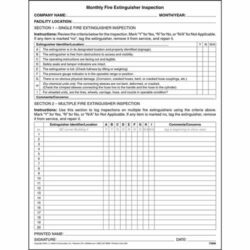
A thorough monthly inspection involves several critical checkpoints. Each extinguisher should be examined systematically to catch any potential issues before they escalate. Using a clear checklist within your monthly fire extinguisher inspection log template simplifies this process and ensures no step is missed.
Here are the essential items to verify during each monthly check:
- Location and Accessibility: Is the extinguisher in its designated location, clearly visible, and unobstructed? Can it be easily accessed in an emergency?
- Pressure Gauge: For pressurized extinguishers, is the needle in the green “charged” zone?
- Condition: Is there any visible damage, corrosion, leakage, or clogged nozzle?
- Pin and Seal: Is the tamper seal intact, and is the safety pin present and not bent or missing?
- Operating Instructions: Are the operating instructions clear, legible, and facing outward?
- Date of Last Professional Service: Check the tag to ensure the annual maintenance and hydro-testing dates are current.
- Weight: For non-pressurized extinguishers (like CO2), a rough check of weight can indicate if it’s full (though accurate weighing is done during professional service).
Documenting these findings meticulously in your log template creates a valuable historical record, aiding in identifying recurring issues and demonstrating compliance during audits.
How to Effectively Use a Monthly Fire Extinguisher Inspection Log Template
Implementing a monthly fire extinguisher inspection log template effectively involves more than just filling out a form. It requires a systematic approach, clear assignment of responsibilities, and consistent follow-through. A well-utilized template becomes a cornerstone of your overall fire safety management system. It not only tracks individual extinguisher status but also provides an overview of your entire inventory’s readiness.
Beyond simply recording data, the template should serve as a prompt for corrective actions. If an issue is identified during an inspection, it should be noted, and a plan for resolution—whether it’s recharging, repairing, or replacing the unit—should be initiated promptly. This proactive approach ensures that fire safety deficiencies are addressed swiftly, maintaining a high level of protection for your premises and personnel.
Elements of an Ideal Monthly Fire Extinguisher Inspection Log Template
An effective template is clear, comprehensive, and easy to use. It should capture all necessary information without being overly complex, encouraging regular and accurate completion. The design of your monthly fire extinguisher inspection log template directly impacts its usability and the quality of the data collected.
Key fields to include in your log template are:
- Date of Inspection: The exact date the inspection was performed.
- Extinguisher ID/Location: A unique identifier (e.g., “Ext-001”) and its specific location (e.g., “Main Office, Near Exit B”).
- Inspector’s Name/Signature: Who performed the inspection.
- Pressure Gauge Status: (OK/Low/High) – for pressurized units.
- Pin and Tamper Seal Status: (Intact/Broken/Missing).
- Nozzle/Hose Condition: (Clear/Blocked/Damaged).
- External Condition: (No Damage/Corrosion/Dents).
- Mounting/Visibility: (Accessible/Obstructed).
- Service Tag/Annual Inspection Date: (Current/Expired).
- Comments/Action Required: Space to note any deficiencies and the necessary follow-up.
- Date Action Completed: Once a noted issue has been resolved.
These detailed entries allow for thorough tracking and accountability, ensuring that every portable fire extinguisher receives the attention it needs.
Sample Monthly Fire Extinguisher Inspection Log Template
Having a standardized format for recording your fire extinguisher checks is vital for consistency and compliance. The following sample provides a clear and practical layout for a monthly fire extinguisher inspection log template. This structure can be adapted for various types of facilities, from small offices to large industrial complexes, ensuring that all necessary data points are captured efficiently.
This table format makes it easy to quickly scan for compliance and identify any extinguishers that require immediate attention. It also serves as a readily accessible record for auditors or emergency services. Remember to include sufficient copies for all your extinguishers and to store completed logs in an easily retrievable location.
| Date | Extinguisher ID / Location | Inspector Name | Pressure (Green) | Pin & Seal (Intact) | Nozzle / Hose (Clear) | External Condition (No Damage) | Mounting / Visibility (Accessible) | Last Professional Service Date | Comments / Action Required | Action Completion Date |
|---|---|---|---|---|---|---|---|---|---|---|
| [YYYY-MM-DD] | Ext-001 / Lobby | [Inspector Name] | ✓ | ✓ | ✓ | ✓ | ✓ | [YYYY-MM-DD] | N/A | N/A |
| [YYYY-MM-DD] | Ext-002 / Break Room | [Inspector Name] | ✓ | ✓ | ✓ | ✓ | ✓ | [YYYY-MM-DD] | N/A | N/A |
| [YYYY-MM-DD] | Ext-003 / Warehouse North | [Inspector Name] | X (Low) | ✓ | ✓ | ✓ | ✓ | [YYYY-MM-DD] | Requires recharge. Contact service provider. | [YYYY-MM-DD] |
| [YYYY-MM-DD] | Ext-004 / Office Corridor | [Inspector Name] | ✓ | X (Broken) | ✓ | ✓ | ✓ | [YYYY-MM-DD] | Tamper seal broken. Investigate, replace seal/pin. | [YYYY-MM-DD] |
Maintaining comprehensive records of your fire extinguisher inspections is not merely a task; it’s a commitment to safety. A well-designed monthly fire extinguisher inspection log template simplifies this crucial process, ensuring that your fire safety equipment is always ready for immediate deployment. By consistently documenting these checks, you create an auditable trail that demonstrates your dedication to compliance and the well-being of your employees and property.
Implementing a consistent inspection schedule and utilizing a standardized log template empowers your organization to proactively manage fire risks. Take the proactive step today to secure your premises and comply with essential safety regulations, ensuring that your fire extinguishers are reliable guardians against potential hazards.