Moving an office can feel like orchestrating a symphony where every instrument needs to be in tune, especially when it comes to finances. Without a clear plan, costs can quickly spiral out of control, turning an exciting new chapter into a stressful ordeal. That’s precisely why having a robust office relocation project budget template isn’t just helpful; it’s absolutely essential for ensuring a smooth, cost-effective transition. It acts as your financial roadmap, guiding you through every potential expense.
From the moment you decide to move, a myriad of expenses begins to emerge. These aren’t always obvious at first glance, ranging from the physical transportation of goods to the setup of new IT infrastructure, and even unexpected administrative fees. Trying to keep track of all this in your head or on scattered notes is a recipe for disaster, potentially leading to budgetary shortfalls and unwelcome surprises down the line.
A well-structured budget doesn’t just list numbers; it provides a framework for decision-making, allowing you to allocate resources wisely, identify areas for potential savings, and maintain financial transparency throughout the entire relocation process. It empowers you to stay in control, anticipate challenges, and ultimately achieve your move without breaking the bank.
Deconstructing the Costs: What Goes into Your Relocation Budget
Embarking on an office relocation involves a mosaic of costs, each contributing to the overall financial picture. A thorough office relocation project budget template breaks these down into manageable categories, ensuring no stone is left unturned. It’s about looking beyond the most obvious expenses and diving deep into every potential financial commitment, from start to finish.
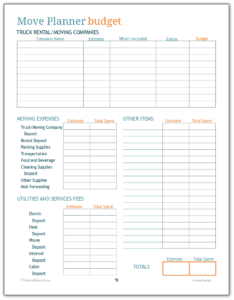
One of the most significant categories covers the physical move itself. This includes the professional movers’ fees, which are often influenced by the volume of items, the distance of the move, and any special handling requirements for delicate or oversized equipment. Don’t forget the costs of packing materials like boxes, bubble wrap, and tape, or the potential need for professional packing services if your team lacks the time or expertise. Furthermore, insurance for transit is a wise investment to protect against unforeseen damages or loss, adding another layer to this category.
Next up are the technology and infrastructure costs, which can be surprisingly substantial. This involves the careful disassembly of your existing IT setup – computers, servers, networking equipment, and phone systems – followed by their secure transportation and meticulous reinstallation at the new location. You might also encounter expenses for new cabling, upgraded internet services, or even the purchase of new hardware to fit the layout or technological requirements of your new office space. Data migration and ensuring business continuity during the transition are critical elements that often require specialized IT support.
Setting up your new office space also comes with its own set of expenditures. This could involve purchasing new furniture to complement the new design, or repairing and reassembling existing pieces. Considerations like utilities setup fees, alarm system installations, and any necessary renovations or cosmetic upgrades to make the space truly yours fall under this umbrella. Even smaller details like new signage or updated stationery can add up, so it’s crucial to factor them in.
Finally, and perhaps most importantly, is the contingency fund. No matter how meticulously you plan, unexpected costs are almost inevitable in any large project. This could be anything from unforeseen repairs at the new site, delays that incur additional rental days for moving equipment, or urgent purchases to address a sudden need. A contingency fund, typically 10-15% of your total estimated budget, acts as a financial safety net, allowing you to handle these surprises without derailing your entire project or financial stability.
Strategies for Smart Spending and Budget Management
Once you have a comprehensive office relocation project budget template in hand, the next step is active management and optimization. It’s not enough to simply list expenses; you need a proactive approach to ensure you’re getting the best value and staying within your financial parameters. Smart spending during a relocation involves careful planning, diligent research, and effective negotiation to stretch every dollar.
Start by soliciting multiple quotes for every major service, from moving companies to IT specialists and office furniture suppliers. Don’t just look at the bottom line; compare the scope of services included, read reviews, and ask for references. Engaging with vendors early allows for better negotiation opportunities and provides a clearer understanding of what your money will truly buy. Be transparent about your budget and needs, as this often helps providers tailor solutions that work for you.
Another powerful strategy is to meticulously track every expense as it occurs. This helps you monitor actual spending against your budgeted amounts in real-time, allowing you to quickly identify any discrepancies or areas where costs are running higher than anticipated. Regular check-ins with your budget template will enable you to make informed decisions about where to cut back or reallocate funds if necessary, preventing overspending before it becomes a major problem. It’s about maintaining a tight grip on your financial progress throughout the entire moving journey.
- Prioritize necessities over luxuries: Distinguish between must-haves and nice-to-haves.
- Declutter and donate: Reduce the volume of items to move, saving on moving costs.
- Schedule strategically: Avoid peak moving seasons or times if possible to potentially secure better rates.
- Leverage existing assets: Assess what furniture or equipment can be reused in the new space.
A well-managed budget for your office relocation is more than just a financial tool; it’s a testament to good planning and foresight. By meticulously outlining every potential expense and actively managing your spending, you pave the way for a smooth, efficient, and ultimately successful move. It reduces stress for everyone involved and ensures that your company can transition to its new home without unnecessary financial strain.
Embracing a structured budgeting approach empowers your team to focus on the excitement of the new space and the opportunities it brings, rather than being bogged down by financial anxieties. With diligent preparation and smart decision-making, your office relocation can be a catalyst for growth and a positive experience for your entire organization.