Navigating the financial landscape of any business, big or small, can feel like charting a complex course. Among the many critical financial tools at your disposal, a robust budget for capital expenditures stands out. These are the big-ticket items—the long-term investments that build the foundation and future growth of your organization, such as new equipment, facility upgrades, or significant software implementations.
Without a clear plan, allocating funds for these crucial investments can quickly become overwhelming, leading to misspent resources or missed opportunities. That’s where a well-structured sample capital expenditure budget template comes into play. It provides a methodical framework to identify, evaluate, and prioritize your company’s long-term asset needs, ensuring every dollar invested contributes strategically to your goals.
This article will walk you through the essential elements of such a template, explain why it’s indispensable for smart financial planning, and show you how you can adapt one to suit your specific business needs. Think of it as your guide to making informed decisions that will shape your company’s future for years to come.
Understanding Capital Expenditures Before Budgeting
Before we dive into the nuts and bolts of a budget template, let’s make sure we’re all on the same page about what capital expenditures (CapEx) truly are. Unlike operating expenses, which cover day-to-day costs like salaries, utilities, and rent, capital expenditures are investments in assets that will provide value to your company for more than one accounting period. These are typically significant purchases that improve the company’s productive capacity, efficiency, or extend the useful life of existing assets.
Think about purchasing a new manufacturing machine, expanding an office building, upgrading your core IT infrastructure, or buying a fleet of delivery vehicles. These aren’t just one-time expenses; they are strategic investments designed to generate revenue, reduce costs, or comply with regulations over several years. Because of their long-term impact and often substantial cost, managing them effectively through a dedicated budget is absolutely crucial.
Mismanaging capital expenditures can have serious repercussions, from cash flow problems to stifled growth. On the other hand, a well-thought-out CapEx plan can unlock new efficiencies, improve product quality, expand market reach, and ultimately boost profitability. It’s about ensuring your investments are not just spending, but strategic plays for future success.
Key Components of a Capital Expenditure Budget Template
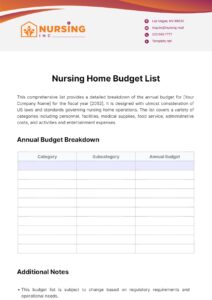
A good sample capital expenditure budget template acts as a central repository for all potential investment projects. It helps you systematically gather information, compare options, and make data-driven decisions. While specific templates might vary, most share common essential fields that ensure a comprehensive review.
These components are designed to prompt you to consider every angle of a potential investment, from its initial cost to its long-term benefits and strategic alignment. Filling out each section meticulously ensures that no critical detail is overlooked, facilitating a thorough evaluation process for every proposed capital project.
Here are some of the critical elements you should expect to find in a comprehensive template:
- Project Name and Description: A clear, concise identifier for the proposed investment and a brief explanation of what it entails.
- Department/Owner: The team or individual responsible for the project’s initiation, management, and ultimate success.
- Justification/Strategic Alignment: A detailed explanation of why this investment is needed, how it supports the company’s strategic goals, and the problems it aims to solve.
- Estimated Cost: This isn’t just the purchase price; it includes installation, training, software licenses, shipping, and any other associated upfront costs.
- Funding Source: How will this project be paid for? (e.g., cash flow, loan, equity, bond issuance).
- Expected Lifespan/Depreciation: The estimated period over which the asset will be useful, which is important for accounting and tax purposes.
- Return on Investment (ROI) or Payback Period: Crucial metrics that quantify the financial benefits expected from the investment and how long it will take to recoup the initial outlay.
- Approval Status: Tracks the progress of the project through various approval stages within the organization.
Steps to Effectively Use Your Capital Expenditure Budget Template
Having a sample capital expenditure budget template is one thing, but knowing how to use it effectively is another. The process should be collaborative, transparent, and regularly reviewed to ensure your investments remain aligned with your business objectives. It typically begins with identifying needs and ends with ongoing monitoring.
Firstly, encourage all relevant departments to identify their potential capital needs well in advance. This collaborative approach ensures that no critical investment is missed and allows for thorough planning. Once proposals are submitted, each project should be meticulously evaluated against predefined criteria, such as strategic importance, potential ROI, risk factors, and available budget. This evaluation often involves financial analysis and discussions among stakeholders to prioritize projects.
Finally, once projects are approved and implemented, the work isn’t over. It’s vital to continuously monitor spending against the budget and track the actual performance of the assets acquired. This post-implementation review helps you learn from past investments, fine-tune your forecasting, and make even better decisions in the future. Regular updates to your capital expenditure budget template reflecting real-world outcomes ensure it remains a dynamic and valuable tool.
Implementing a structured approach to capital expenditure planning, supported by a well-designed template, empowers your business to make smarter, more strategic investments. It moves you from reactive spending to proactive growth, ensuring every major purchase contributes to the long-term health and success of your organization.
By taking the time to thoroughly document, evaluate, and track your capital projects, you gain clarity, reduce risk, and significantly improve your ability to allocate resources efficiently. Start leveraging a sample capital expenditure budget template today to transform your financial planning and pave the way for a more prosperous future.