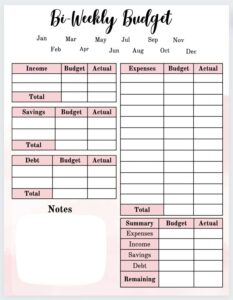
Navigating your finances as a single individual can sometimes feel like trying to solve a complex puzzle with missing pieces. There are no shared expenses to lean on, and every financial decision rests solely on your shoulders. It’s a powerful position to be in, offering immense independence, but it also comes with the responsibility of meticulous planning to ensure your financial well-being.
That’s where a clear, actionable spending plan comes into play. Having a robust single person monthly budget template isn’t just about restricting yourself; it’s about gaining clarity, confidence, and control over your hard-earned money. It’s the roadmap that shows you exactly where your money goes and helps you direct it towards your goals, whether that’s saving for a dream vacation, building an emergency fund, or simply feeling more secure day-to-day.
Budgeting might sound intimidating, but it doesn’t have to be. With the right approach and a straightforward framework, you can transform your financial life. Let’s explore how to build and maintain a budget that truly works for you, empowering you to make informed decisions and achieve your personal financial aspirations.
Understanding Your Income and Fixed Expenses
The foundation of any successful budget begins with a clear understanding of your financial landscape. Before you can decide where your money should go, you need to know precisely how much is coming in and what non-negotiable costs you already have committed to paying out each month. This initial step is crucial because it sets the boundaries for all your other spending and saving decisions. It’s like mapping out the terrain before embarking on a journey.
Gathering your income data means looking at all sources of money you receive on a regular basis. For most people, this is a consistent paycheck, but it might also include income from freelance work, a side hustle, investments, or even child support. Be thorough and accurate, as an incomplete picture here will throw off your entire budget. If your income varies, it’s often wise to base your budget on the lowest anticipated income to avoid overspending and create a buffer.
Income Sources: Where Does Your Money Come From
- **Primary Employment Income:** Your regular salary or wages after taxes and deductions.
- **Freelance or Gig Work:** Income from any side jobs or contract work.
- **Investment Income:** Dividends, interest, or rental income if applicable.
- **Other Regular Income:** Alimony, child support, or other consistent payments.
Once you have a solid grasp on your total monthly income, the next step is to identify your fixed expenses. These are the bills that generally stay the same amount month after month and are essential for your living. They are predictable and often contractual, making them easier to plan for. Rent or mortgage payments are the classic example, but there are many others that fall into this category. Subtracting these from your income gives you a realistic idea of what’s left for everything else.
Fixed Expenses: The Non-Negotiables
Understanding these fixed costs helps you see your financial baseline. They are the bedrock of your spending plan.
- **Housing:** Rent, mortgage payments.
- **Utilities:** Fixed portions of electricity, gas, water (if they have a consistent base charge).
- **Loan Payments:** Car loans, student loans, personal loans.
- **Insurance:** Health, car, renter’s, life insurance premiums.
- **Subscriptions:** Streaming services, gym memberships, software subscriptions (if paid monthly).
By diligently listing and totaling these amounts, you lay the groundwork for a transparent and effective budget. This initial phase removes much of the guesswork and helps you confront your financial reality head-on, preparing you for the more flexible categories that follow.
Tackling Variable Expenses and Savings Goals
With your income and fixed expenses clearly outlined, you now have a clearer picture of your disposable income – the money left over to manage your day-to-day living and put towards your financial aspirations. This is where variable expenses come into play. These are the costs that fluctuate month to month and require a bit more vigilance and self-discipline to track effectively. Think groceries, dining out, transportation (gas, public transit), personal care, and entertainment.
Managing variable expenses is often the most challenging but also the most rewarding part of budgeting for a single person. This is where you have the most control and the greatest opportunity to make adjustments. It requires honest reflection on your spending habits and a willingness to make intentional choices. A good strategy is to assign a specific amount to each variable category and then track your spending against those limits. Digital budgeting apps or even a simple spreadsheet can be invaluable tools here, allowing you to see in real-time where your money is going.
Once you’ve got a handle on your variable spending, it’s time to integrate your savings goals into your budget. This isn’t an afterthought; it should be a priority, treated just like another bill. Whether it’s building an emergency fund (aim for 3-6 months of living expenses), saving for a down payment, retirement, or a much-deserved vacation, dedicating a specific amount each month makes these goals achievable. Many people find it helpful to set up automatic transfers from their checking account to a separate savings account on payday, ensuring they "pay themselves first."
It’s exciting to think about what you can achieve when you know exactly how much you can allocate to your future. Being proactive about saving and investing gives you a sense of security and opens up possibilities you might not have considered before. Even small, consistent contributions can grow significantly over time, thanks to the power of compounding.
Taking charge of your money through a well-structured budget is one of the most empowering steps you can take for your personal independence. It removes the stress of financial uncertainty and replaces it with clarity and purpose. By understanding your income, managing your expenses, and prioritizing your savings, you’re not just tracking numbers; you’re actively building the life you want.
Embrace the process with patience and flexibility, knowing that every small decision contributes to your larger financial success. Your financial future is in your hands, and with a solid plan, you are well-equipped to achieve every goal you set for yourself.