Navigating the waters of digital marketing can feel like an exciting adventure, full of potential for growth and connecting with your audience. However, without a clear map, it’s easy to drift off course and spend resources inefficiently. This is especially true when it comes to managing your finances across various campaigns. A well-defined budget isn’t just a good idea; it’s a fundamental necessity for achieving your marketing goals and seeing a tangible return on investment.
Many businesses, both big and small, grapple with allocating funds effectively across social media advertising, search engine marketing, content creation, email campaigns, and more. It can feel like a guessing game, leading to overspending in some areas and underspending in others, ultimately hindering campaign performance. This is where a robust digital marketing campaign budget template becomes an invaluable asset, providing clarity and strategic direction.
Throughout this article, we’ll explore the immense benefits of using such a template, delve into the essential components that make it effective, and discuss best practices for implementing it within your marketing strategy. By the end, you’ll have a clearer understanding of how to take control of your digital marketing spending and drive more successful outcomes.
Why a Budget Template is Your Digital Marketing Secret Weapon
In the fast-paced world of digital marketing, agility and informed decision-making are paramount. A comprehensive budget template acts as your strategic backbone, allowing you to not only track expenses but also to predict outcomes and optimize your spending for maximum impact. Think of it as the blueprint for your financial success in the digital realm. It moves you away from reactive spending and towards proactive investment, ensuring every dollar is aligned with your overarching business objectives.
One of the primary advantages of utilizing a structured template is the enhanced visibility it provides. You can clearly see where your money is going across different channels, campaigns, and even specific ad groups. This transparency helps identify areas of overspending or underperformance, enabling you to reallocate funds to more promising avenues. It also fosters better communication within your team, as everyone has a shared understanding of financial parameters and expectations for each campaign.
Furthermore, a well-crafted template empowers you to set realistic goals and key performance indicators (KPIs). When you know exactly how much you can spend on a particular channel, you can then project what kind of results that investment should yield. This connection between budget and expected outcomes makes your marketing efforts more accountable and easier to measure, leading to continuous improvement and a stronger justification for future investments.
Key Components of an Effective Digital Marketing Budget Template
To truly harness the power of a digital marketing campaign budget template, it needs to be more than just a list of expenses. It should be a dynamic tool that supports strategic planning and performance analysis. Here are some crucial elements to include:
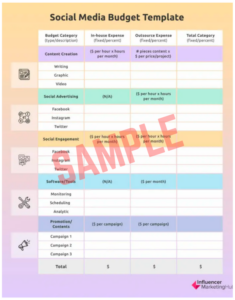
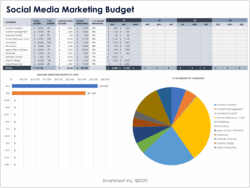
- Channel-Specific Allocations: Break down your budget by channel (e.g., SEO, PPC, social media, email marketing, content marketing) to understand spending distribution.
- Campaign-Level Detail: Within each channel, specify budget for individual campaigns, including ad spend, creative costs, and personnel hours.
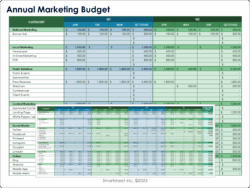
- Timeline and Phasing: Map out your spending over time, whether monthly, quarterly, or annually, to account for seasonal fluctuations or campaign launches.
- Projected vs. Actual Spend: Track both what you planned to spend and what you actually spent to identify discrepancies and learn for future planning.
- Key Performance Indicators (KPIs): Link specific budget allocations to expected results, such as lead generation, website traffic, or conversion rates, to measure ROI.
- Contingency Fund: Always set aside a percentage of your budget for unexpected opportunities, market changes, or unforeseen challenges.
By incorporating these components, your template transforms into a powerful forecasting and analytical instrument. It allows you to model different scenarios, adjust allocations on the fly, and truly understand the financial implications of your marketing decisions. This level of detail provides the insights needed to refine your strategies, ensuring you’re always making the most impactful investments for your digital presence.
Putting Your Template into Action: Best Practices
Having a beautifully designed digital marketing campaign budget template is only the first step; the real magic happens when you actively use and maintain it. Regularly updating your template isn’t just about tracking numbers; it’s about fostering a culture of financial awareness and strategic agility within your marketing team. Start by populating it with historical data if available, or make educated estimates based on market research and industry benchmarks if you’re beginning fresh.
Once your initial budget is set, don’t just file it away. Make it a living document. Schedule regular reviews, perhaps weekly or bi-weekly, to compare your actual spending against your projected budget. This allows you to catch potential overspends early, identify underutilized funds that could be reallocated, and make informed decisions about adjusting your strategy in response to campaign performance. Digital marketing is dynamic, and your budget needs to be just as adaptable.
Finally, ensure that your budget template is integrated with your overall marketing reporting. When you analyze campaign performance, always cross-reference it with your budget. Understanding the cost per lead, cost per acquisition, or return on ad spend in relation to your allocated funds is crucial for optimizing future campaigns. This continuous feedback loop of budgeting, execution, and analysis is what truly drives sustainable and profitable digital marketing growth.
Taking control of your digital marketing budget doesn’t have to be a daunting task. By embracing a well-structured template and committing to its regular use, you gain unparalleled clarity and strategic control over your marketing investments. This proactive approach not only helps prevent overspending but also ensures that every dollar spent is working hard towards achieving your business objectives.
Ultimately, a thoughtful and diligently managed budget empowers you to make smarter, data-driven decisions, optimize your campaigns for better performance, and achieve a stronger return on your marketing efforts. Start implementing these practices today, and watch your digital marketing campaigns flourish with newfound efficiency and success.