Embarking on the journey of independent filmmaking is a thrilling adventure, filled with creative passion and the promise of bringing unique stories to life. However, even the most brilliant artistic vision can falter without a strong financial foundation. This is precisely where an independent film production budget template becomes an invaluable tool, providing a structured roadmap to manage your resources effectively and keep your project on track from conception to completion. It is the backbone that supports your creative endeavors, transforming abstract ideas into tangible reality.
Many aspiring filmmakers are intimidated by the financial aspects of production, often seeing budgeting as a daunting task that stifles creativity. Yet, understanding and meticulously planning your expenditures can actually liberate your artistic process. By demystifying where your money needs to go, you gain clarity, reduce stress, and can focus more energy on the storytelling itself, knowing that the practicalities are handled.
This article will guide you through the essential components of a robust budget, helping you understand not just what to include, but why each section is critical. We will explore how a well-crafted budget serves as your project’s financial blueprint, ensuring that every dollar spent contributes meaningfully to your film’s success and helping you avoid common pitfalls that can derail independent productions.
Why Every Indie Filmmaker Needs a Solid Budget Template
For independent filmmakers, working with limited resources is often the norm. This scarcity makes a meticulously planned budget not just helpful, but absolutely essential. A comprehensive budget template brings order to potential chaos, providing a clear overview of all anticipated costs and allowing you to make informed decisions throughout the production lifecycle. It gives you an immediate picture of where your money is going, helping you prioritize spending and identify areas where you might need to seek additional funding or make adjustments.
Beyond internal management, a well-presented budget is a critical document for attracting investors and securing funding. Financial backers want to see a clear, professional breakdown of how their money will be utilized. It demonstrates your professionalism, your understanding of the financial realities of filmmaking, and your commitment to fiscal responsibility. A vague or incomplete budget can instantly undermine confidence, regardless of how compelling your script might be.
Moreover, an effective budget acts as your primary defense against overruns. It forces you to consider every potential expense upfront, from the smallest prop to the largest crew salary. By assigning specific amounts to each line item, you establish financial boundaries that, when adhered to, prevent unexpected costs from spiraling out of control. This proactive approach saves time, reduces stress, and ultimately helps ensure your film can be completed within the allocated funds.
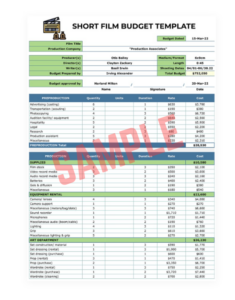
Understanding the typical categories within a film budget is the first step toward building your own independent film production budget template. These categories generally mirror the phases of filmmaking, ensuring that no stone is left unturned.
Pre-Production Costs
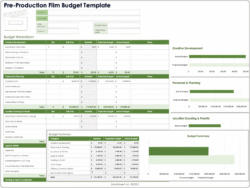
This phase involves all the expenses incurred before cameras start rolling. Think about script development fees, writer’s options, legal costs for contracts and intellectual property, casting director fees, location scouting expenses, storyboarding artists, and initial insurance premiums. These foundational costs lay the groundwork for the entire project and are crucial for proper planning.
Production Costs
This is often the largest segment of the budget, covering everything that happens during principal photography. Here you will account for crew salaries (director, cinematographer, gaffers, grips, sound mixers, camera operators, etc.), equipment rentals (cameras, lenses, lighting, sound gear), set design and construction, props, costumes, hair and makeup, catering for the cast and crew, transportation, accommodation, on-set medical personnel, and comprehensive production insurance.
Post-Production Costs
Once filming wraps, the post-production phase begins, transforming raw footage into a finished film. This section includes editor fees, sound designers and mixers, visual effects artists, colorists, music composers or licensing fees for existing music, voice-over artists, and the cost of creating deliverables (like DCPs for screenings or masters for streaming platforms).
Marketing and Distribution
Often overlooked in initial budget planning, marketing and distribution are vital for your film to reach an audience. This category covers film festival submission fees, travel expenses for festival attendance, publicity and public relations campaigns, poster design, trailer creation, website development, social media marketing, and fees for sales agents or distributors. Neglecting these costs means your film might never find its audience, no matter how good it is.
Building Your Own Independent Film Production Budget Template
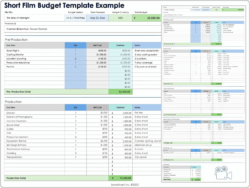
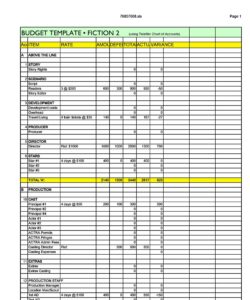
Creating your own independent film production budget template starts with a comprehensive spreadsheet, whether it is Excel, Google Sheets, or dedicated budgeting software. Begin by listing every single item you can possibly think of that will require money. Do not worry about exact figures initially; the goal is to be exhaustive, ensuring no major component is forgotten. From the smallest prop to the highest-paid crew member, everything needs a placeholder.
Once you have a detailed list, the next crucial step is research. Get quotes for everything. Call equipment rental houses, inquire about location fees, research standard industry rates for crew positions, and get estimates for post-production services. The more accurate your estimates, the more reliable your budget will be. This legwork upfront will save you from major financial surprises down the line.
When populating your template, consider these best practices:
Remember, a budget is not a static document; it is a living tool that needs to be revisited and adjusted throughout the production process. As new information comes to light, or as circumstances change, be prepared to update your budget accordingly. This adaptability ensures your template remains relevant and effective in guiding your financial decisions.
Having a robust independent film production budget template is more than just a financial exercise; it is an act of empowerment. It provides the clarity and control needed to navigate the complex world of film production, transforming your artistic vision from a dream into a tangible reality. By understanding and meticulously planning your financial journey, you pave the way for a smoother production and a greater chance of success, allowing your creative story to truly shine. So, take the time to build your template carefully, and watch as it becomes one of your most valuable assets on your filmmaking journey.