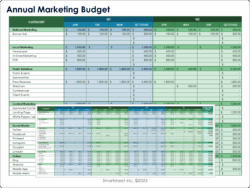
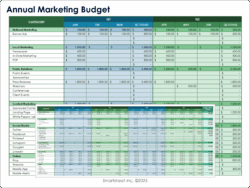
Navigating the complex world of social media advertising can feel like a high-stakes game. Without a clear financial roadmap, businesses risk overspending, underperforming, and missing out on valuable opportunities. This is precisely why a well-structured social media ads budget template isn’t just a good idea—it’s an essential tool for success in today’s digital landscape.
Effective budget management ensures every dollar spent on paid social campaigns works harder for your brand. It provides a strategic framework, helping you allocate resources efficiently across various platforms and campaigns. By the end of this article, you’ll understand how to develop and utilize a robust budget template to maximize your advertising return on investment (ROI).
We will explore the core components of optimizing your ad spend, discuss how to craft your own adaptable budget, and provide a clear sample social media ads budget template. This guide will empower you to manage your social media advertising budget with precision and confidence, turning potential chaos into organized, profitable campaigns.
Optimizing Your Social Media Ad Spend
Strategic allocation of your advertising funds is paramount to achieving your marketing objectives. Optimizing social media ad spend involves a careful balance of goal setting, platform distribution, and continuous performance monitoring. A robust social media ads budget template helps streamline this entire process, offering a clear overview of your financial commitments.
Many businesses struggle with effectively distributing their ad budget, often leading to wasted resources. By breaking down your overall marketing budget into specific social media allocations, you gain greater control and insights. This section will delve into how to make smart decisions with your advertising dollars, ensuring maximum impact for your campaigns.
Setting Realistic Marketing Goals
Before you even think about numbers, define what success looks like for your social media advertising. Are you aiming for increased brand awareness, more website traffic, lead generation, or direct sales conversions? Each goal has different implications for your budget and campaign structure. Clear, measurable goals will guide your spending decisions effectively.
For instance, a brand awareness campaign might prioritize reach and impressions, often requiring a broader audience and potentially higher top-of-funnel spend. Conversely, a conversion-focused campaign will concentrate on targeting highly qualified leads and optimizing for specific actions. Linking your budget directly to these objectives ensures every dollar has a purpose and contributes to a tangible outcome for your business.
Allocating Funds Across Platforms
Different social media platforms cater to diverse audiences and offer unique advertising opportunities. It’s crucial to understand where your target audience spends their time and which platforms align best with your campaign goals. A comprehensive social media ads budget template should include separate line items for each platform you plan to utilize.
Consider allocating funds based on past performance, audience demographics, and the specific strengths of each platform. For example, Instagram and TikTok might be ideal for visually driven brand awareness, while LinkedIn excels for B2B lead generation. Facebook often provides a broader reach and strong targeting capabilities, making it a versatile option for many campaigns. Regularly reviewing platform performance allows you to shift resources to those delivering the best results, optimizing your overall ad spend.
Monitoring Performance and ROI
The work doesn’t stop once your ads are live and your budget is set. Continuous monitoring of your campaign performance is critical for identifying areas of improvement and maximizing your return on investment. Tools within each social media platform’s ad manager provide detailed analytics, offering insights into impressions, clicks, conversions, and cost per result.
Regularly compare your actual spend against your planned budget and assess whether your campaigns are hitting their key performance indicators (KPIs). If a campaign isn’t performing as expected, be prepared to adjust your spending or pivot your strategy. This iterative process of tracking, analyzing, and adapting ensures your social media advertising budget remains effective and responsive to real-time data.
Crafting Your Social Media Ads Budget Template
Developing a well-structured social media ads budget template is key to maintaining financial discipline and maximizing campaign effectiveness. It allows you to forecast expenses, track actual spending, and make informed decisions about future allocations. This section will guide you through the essential elements of creating a template that truly works for your business.
A clear budget template transforms abstract financial goals into concrete, actionable plans. It prevents surprises, highlights potential areas for savings, and ensures that your social media advertising efforts are always aligned with your broader marketing strategy. By outlining every expense, you gain an unparalleled level of transparency and control over your digital marketing investment.
Key Components of an Effective Budget
An effective social media advertising budget template goes beyond just listing platform spend. It should encompass all associated costs and categorize them clearly. Begin with your total allocated budget for social media ads and then break it down by platform (e.g., Facebook, Instagram, LinkedIn, TikTok). Within each platform, consider specific campaign types such as brand awareness, lead generation, or conversion campaigns.
Additionally, don’t forget other crucial elements like content creation costs (if external designers or copywriters are used), ad management tools, and any agency fees if you’re outsourcing. Including these comprehensive categories ensures you have a holistic view of your social media marketing investment. A robust template will allow for monthly, quarterly, or even annual planning, providing flexibility for different campaign durations.
The Importance of a Flexible Budget
While a budget template provides structure, it’s equally important for your budget to be flexible and adaptable. The social media landscape is constantly evolving, with new trends, features, and ad formats emerging regularly. Your initial budget allocation should be treated as a working document, subject to adjustments based on real-time performance and market changes.
Building in a contingency fund or allocating a small percentage of your budget for experimentation can be incredibly beneficial. This allows you to test new platforms, ad formats, or audience segments without disrupting your core campaigns. A flexible approach means you can quickly capitalize on new opportunities or reallocate funds from underperforming campaigns to those yielding better results.
Tools and Resources for Budget Management
Managing your social media ad budget doesn’t have to be a manual, tedious task. Various tools and resources can help streamline the process, from simple spreadsheets to sophisticated ad management platforms. Google Sheets or Microsoft Excel offer customizable templates where you can track spending, forecast future costs, and analyze performance data. Many businesses begin their budgeting journey here.
For more advanced needs, dedicated ad management software and marketing analytics platforms can integrate directly with your social media ad accounts. These tools provide automated reporting, real-time budget tracking, and performance insights that can significantly enhance your decision-making. Utilizing the right tools can save time and improve the accuracy of your budget management, making your social media ads budget template even more powerful.
Sample Social Media Ads Budget Template
To help you get started, here is a foundational example of a social media ads budget template. This structure can be adapted to suit the specific needs and complexity of your marketing efforts. Remember, the goal is clarity and comprehensive tracking.
This sample demonstrates how you might break down your monthly or quarterly spending. It provides categories for different platforms and campaign types, along with spaces to track planned versus actual spend, helping you identify discrepancies and optimize future allocations. Such a detailed template makes managing your social media advertising budget far more manageable and transparent for all stakeholders involved.
| Category | Platform / Campaign Type | Planned Spend ($) | Actual Spend ($) | Variance ($) | Notes |
|---|---|---|---|---|---|
| Total Monthly Ad Budget | $5,000 | $4,850 | $150 | Overall budget for current month | |
| Platform Ad Spend | |||||
| Facebook/Instagram Ads | $2,500 | $2,400 | $100 | Focus on lead generation & brand awareness | |
| – Lead Gen Campaign | $1,500 | $1,450 | $50 | CPL target: $10 | |
| – Brand Awareness | $1,000 | $950 | $50 | Reach target: 1M impressions | |
| LinkedIn Ads | $1,500 | $1,550 | -$50 | B2B outreach & content promotion | |
| – Content Promotion | $1,000 | $1,100 | -$100 | Test new audience segment | |
| – Follower Growth | $500 | $450 | $50 | Steady growth, below planned | |
| TikTok Ads | $1,000 | $900 | $100 | Experimenting with short-form video ads | |
| – Product Discovery | $700 | $650 | $50 | High engagement, low conversion | |
| – Influencer Collab Boost | $300 | $250 | $50 | Pilot program with micro-influencers | |
| Content & Creative Costs | |||||
| Graphic Design | $300 | $250 | $50 | Freelance designer for ad visuals | |
| Video Production | $200 | $200 | $0 | Short video ad creation | |
| Tools & Software | |||||
| Ad Reporting Software | $50 | $50 | $0 | Monthly subscription | |
| Contingency / Buffer | $450 | $0 | $450 | For unexpected opportunities/issues |
This structured approach allows you to quickly see where your money is going and where adjustments might be needed. The “Variance” column highlights whether you’re over or under budget, while the “Notes” column provides context for those numbers, ensuring you have a full picture of your social media advertising budget at all times.
A well-crafted social media ads budget template is an indispensable asset for any business investing in paid social media. It transforms guesswork into strategic planning, ensuring every dollar contributes meaningfully to your marketing objectives. By taking the time to set up and regularly review your budget, you empower your team to make data-driven decisions that drive real results.
Embrace the discipline of budgeting to unlock the full potential of your social media advertising efforts. Start building your template today, continually optimize your spending, and watch your campaigns achieve greater success. The effort you put into financial planning for your ads will undoubtedly pay dividends in increased efficiency and improved ROI.