Embarking on a half marathon journey is an exciting challenge, promising personal growth and a profound sense of accomplishment. Whether you’re a seasoned runner aiming for a personal best or a first-timer just looking to cross the finish line, proper planning is the cornerstone of a successful training cycle. A well-structured half marathon training log template becomes your indispensable guide, charting your progress and keeping you accountable every step of the way. 
This comprehensive guide will help you understand why logging your runs is crucial, what key elements to include, and even provide a sample template to kickstart your preparation. By diligently tracking your efforts, you can make informed adjustments to your training plan, prevent injuries, and ultimately achieve your race day goals. Let’s dive into the specifics of building your ultimate running diary.
Crafting Your Personalized Half Marathon Running Journal
A personalized half marathon running journal is much more than just a place to scribble down mileage. It’s a powerful tool for self-assessment, motivation, and strategic planning. Effective training requires understanding how your body responds to different workouts, and a detailed log provides that vital insight. It helps you identify patterns, celebrate small victories, and learn from less-than-perfect runs.
Your training log should be comprehensive yet easy to use. The goal is to capture enough detail to be useful without becoming a chore. Consistency is key, so find a format that you can stick with for the entire training cycle, typically 12-16 weeks for a half marathon. This systematic approach will ensure you are ready for race day.
When designing your half marathon training log template, consider including the following crucial data points. These elements provide a holistic view of your training, from physical output to mental state and recovery. Analyzing these factors together helps you make smarter decisions about your running schedule and overall well-being.
- Date and Day of the Week: Essential for tracking consistency and weekly volume.
- Planned Workout: What you intended to do (e.g., 5 miles easy, 800m repeats, cross-training).
- Actual Workout: What you actually completed, including distance, duration, and type.
- Pace/Speed: Average pace, split times, or specific pace for intervals.
- Route/Location: Noting elevation changes or specific terrains can be helpful.
- Effort Level (RPE): Rate of Perceived Exertion (1-10 scale) to gauge how hard the run felt.
- Heart Rate: Average and maximum heart rate data if you use a monitor.
- Weather Conditions: Temperature, humidity, wind, and precipitation can significantly impact performance.
- Pre-Run Notes: How you felt before the run (energy levels, sleep quality, nutrition).
- Post-Run Notes: How you felt after the run (muscle soreness, pain, mood, accomplishments).
- Nutrition/Hydration: What you ate/drank before, during, and after the run.
- Sleep Quality: Hours slept and quality of sleep, as recovery is paramount.
- Cross-Training/Strength: Any supplementary workouts like yoga, cycling, or weightlifting.
- Rest Day Activities: Acknowledging rest days is just as important as logging runs.
- Goals/Comments: Space for weekly goals, reflections, or notes on specific challenges.

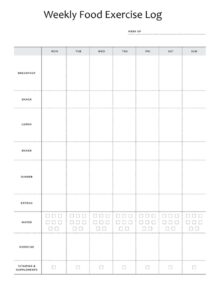
Here’s a sample of what a single entry in your half marathon training log template might look like. You can easily adapt this to a spreadsheet, a dedicated journal, or a printable sheet. This structured approach helps in identifying trends and making informed adjustments to your ongoing training program.
| Date | Day | Planned Workout | Actual Workout | Distance (miles) | Duration | Avg Pace | Effort (RPE) | Notes/Feelings |
|---|---|---|---|---|---|---|---|---|
| 07/22/2024 | Mon | 5 mi Easy | 5 mi Easy | 5.0 | 47:30 | 9:30/mi | 5 | Felt good, slight headwind. Good energy after rest day. |
| 07/23/2024 | Tue | Cross-train (Yoga) | 45 min Yoga | N/A | 45:00 | N/A | 3 | Good stretch, felt refreshing. Less tightness in hamstrings. |
| 07/24/2024 | Wed | 4 x 800m Intervals | 4 x 800m @ 7:00/mi | 4.5 (incl. warmup/cool down) | 40:00 | 8:53/mi | 8 | Hard workout. Maintained pace well. Felt tired but strong. |
| 07/25/2024 | Thu | 3 mi Recovery | 3 mi Recovery | 3.0 | 30:00 | 10:00/mi | 4 | Legs a bit sore from intervals. Focused on easy pace. |
| 07/26/2024 | Fri | Rest Day | Rest Day | N/A | N/A | N/A | N/A | Focused on foam rolling and hydration. |
| 07/27/2024 | Sat | 8 mi Long Run | 8 mi Long Run | 8.0 | 1:15:00 | 9:22/mi | 6 | Enjoyable run, consistent pace. Felt good overall, finished strong. |
| 07/28/2024 | Sun | Cross-train (Cycling) | 60 min Cycling | N/A | 60:00 | N/A | 5 | Spin class. Low impact, good cardiovascular workout. |
Maintaining a consistent running log provides invaluable insights into your progress, helping you identify what works and what doesn’t. By reviewing your entries, you can spot trends in performance, recovery, and overall well-being. This data empowers you to fine-tune your approach, ensuring you arrive at the starting line feeling confident and fully prepared for your half marathon.
Ultimately, a dedicated half marathon training log template is a small investment of time that yields significant returns. It transforms abstract training goals into concrete, actionable steps, building resilience and focus throughout your journey. Start tracking your runs today and watch your half marathon aspirations turn into a triumphant reality.