Navigating the complex journey of recovery from an eating disorder requires a multifaceted approach, often involving professional guidance, therapeutic support, and self-monitoring tools. One such tool that proves invaluable for many is a food log. This isn’t just about recording what you eat; it’s a powerful instrument for gaining insight, identifying patterns, and fostering a healthier relationship with food. Understanding how to effectively utilize an eating disorder food log template can be a pivotal step in your healing process.
Food logging, when approached mindfully and without judgment, can illuminate critical aspects of your eating habits and emotional responses. It serves as a bridge between your internal experiences and observable behaviors, providing concrete data that can be analyzed and understood. This article will explore the profound benefits of using a structured approach to food tracking, offer essential components for an effective log, and provide a clear eating disorder food log template to guide your efforts.
By the end of this comprehensive guide, you will have a clearer understanding of how to implement a food log as a supportive element in your recovery. You’ll learn what to include, how to interpret your entries, and why consistent, non-judgmental tracking is so beneficial. Remember, this tool is designed to support your growth, not to become another source of pressure or self-criticism.
The Role of Food Tracking in Eating Disorder Recovery
Food tracking, when integrated into a supervised recovery plan, offers significant advantages for individuals working through an eating disorder. It provides a structured way to observe eating patterns, emotional states, and environmental triggers without the intention of calorie counting or restrictive behaviors. This observational practice is crucial for developing self-awareness.
This method of self-monitoring becomes a valuable source of information for both the individual and their treatment team. It helps in understanding the interplay between food, mood, and circumstances, which is often distorted in the context of disordered eating. For example, a study published in the Journal of Consulting and Clinical Psychology found that self-monitoring was a key component in cognitive behavioral therapy for eating disorders, leading to improved outcomes.
Gaining Awareness and Identifying Patterns
One of the primary benefits of an eating disorder food log is its ability to reveal hidden patterns. Many individuals with eating disorders operate on autopilot, making choices that are deeply ingrained but often unrecognized. A detailed log helps bring these automatic behaviors into conscious awareness.
By consistently recording food intake, accompanying feelings, and situational factors, you can begin to connect the dots. You might notice, for instance, that certain emotions consistently precede a binge episode, or that specific social situations trigger restrictive thoughts. This insight is the first step towards changing those patterns.
Supporting Nutritional Balance and Regularity
Eating disorders often disrupt the body’s natural hunger and fullness cues, leading to erratic eating patterns and nutritional deficiencies. A food log can serve as a practical guide to re-establishing regularity and ensuring adequate nutrient intake. It helps in structuring meals and snacks throughout the day.
Working with a dietitian, a food log becomes an essential tool to ensure you are meeting your nutritional needs and challenging restrictive food rules. It allows you to track consistency in meal timing and food variety, which are vital for physical recovery and stabilizing metabolism. The goal is to move towards balanced, regular eating without preoccupation.
Facilitating Communication with Professionals
Your treatment team – including therapists, dietitians, and doctors – relies on accurate information to provide the best care. A comprehensive food log offers a concrete record of your experiences, far more detailed and reliable than memory alone. This data allows professionals to identify specific challenges and tailor interventions more effectively.
During therapy sessions, a log can spark conversations about difficult emotions, body image concerns, or challenges in adhering to a meal plan. For dietitians, it provides a snapshot of actual food consumption, enabling them to make informed recommendations for nutritional rehabilitation. It makes your recovery journey transparent and collaborative.
Crafting an Effective Eating Disorder Food Log Template
Creating a food log for eating disorder recovery differs significantly from typical diet tracking. The emphasis is not on calories or weight, but on understanding the emotional, physical, and situational context surrounding food. A well-designed eating disorder food log template facilitates this deeper level of self-reflection.
It’s important that the template is easy to use and doesn’t feel like another chore. The goal is to gather meaningful information without adding undue stress or becoming another compulsive behavior. Simplicity and focus on key contextual elements are paramount for long-term use and benefit.
Essential Elements of a Food Log
An effective food log should capture more than just what you ate. It needs to provide a holistic view of your eating experiences. Here are the crucial components to include in your template:
- Date and Time: Essential for tracking regularity and identifying time-specific patterns.
- Meal/Snack: Clearly distinguish between main meals and smaller snacks.
- Food Item and Portion: Describe what you ate and a reasonable estimation of the amount. Avoid overly precise measurements if they trigger anxiety.
- Physical Hunger/Fullness Scale: Rate your hunger before eating and fullness after, perhaps on a scale of 1-10. This helps reconnect with internal cues.
- Emotional State Before/During/After: Note your feelings (e.g., anxious, happy, stressed, bored, content) at different stages of the eating experience.
- Location/Company: Where were you eating, and who were you with? (e.g., alone at home, with family, at work).
- Triggers/Thoughts: Any specific thoughts, urges, or external events that influenced your eating or feelings.
- Coping Strategies Used: If you faced urges, what healthy coping mechanisms did you try?
- Notes/Reflections: A space for additional comments, insights, or challenges encountered.
Tips for Mindful and Non-Judgmental Logging
The way you approach food logging is just as important as what you log. It’s crucial to cultivate a mindset of curiosity and observation, rather than criticism. Remember, this is a tool for learning, not for punishment or judgment.
Aim to be as objective as possible in your entries. Focus on simply recording facts and feelings without attaching moral value to food or your eating behaviors. If you notice self-judgment creeping in, gently acknowledge it and refocus on the purpose of the log: understanding. Regular review with your professional support team can also help maintain this non-judgmental stance.
Sample Eating Disorder Food Log Template
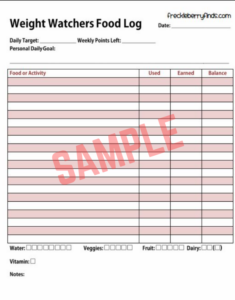
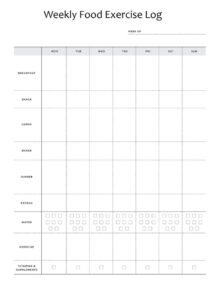
Below is a simple yet comprehensive eating disorder food log template that you can adapt for your personal use. This format is designed to be easily reproducible in a notebook, a digital document, or even a simple spreadsheet.
| Date | Time | Meal/Snack | Food Item & Portion | Hunger Before (1-10) | Fullness After (1-10) | Emotions (Before/During/After) | Location/Company | Triggers/Thoughts | Notes/Reflections |
|---|---|---|---|---|---|---|---|---|---|
| MM/DD | 8:00 AM | Breakfast | 1 cup oatmeal, 1/2 banana, 2 tbsp nuts | 3 | 7 | Anxious/Calm/Content | Kitchen/Alone | Urge to skip, resisted | Felt good to start the day nourished. |
| MM/DD | 12:30 PM | Lunch | Salad with grilled chicken, vinaigrette | 4 | 6 | Neutral/Neutral/Satisfied | Office/Colleagues | No specific triggers | Good conversation distracted me. |
| MM/DD | 3:00 PM | Snack | Apple, 1 tbsp peanut butter | 5 | 7 | Bored/Content/Energized | Desk/Alone | Feeling low energy after meeting | Helped refocus for afternoon tasks. |
| MM/DD | 7:00 PM | Dinner | Pasta with vegetables, small portion of bread | 3 | 8 | Stressed/Okay/Slightly guilty | Dining Room/Family | Stress from work, thought about restricting | Managed to eat mindfully despite stress. Discussed guilt feelings with partner. |
This structured approach provides a clear framework for recording crucial information. Remember, consistency is key, and adapting the template to suit your specific needs and the advice of your care team is always recommended. This template should serve as a helpful guide on your path to recovery.
Utilizing a food log for eating disorder recovery is a powerful, insightful tool when used correctly and with professional support. It shifts the focus from purely numerical tracking to a deeper understanding of your relationship with food, emotions, and external factors. By consistently engaging with an eating disorder food log template, you empower yourself with valuable data for self-discovery and growth.
Embrace this practice as an act of self-care and a commitment to your healing journey. Work closely with your therapist and dietitian to interpret your entries and make meaningful changes. This collaborative approach ensures that your food log supports your recovery goals effectively, guiding you toward a more peaceful and balanced connection with food.