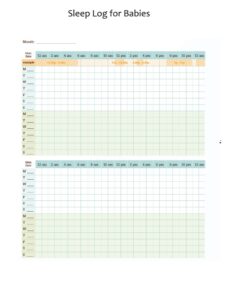
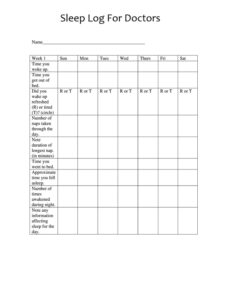
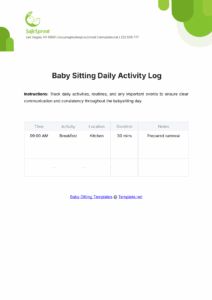
Parenthood, especially during the toddler years, can often feel like a joyful whirlwind. From delightful first words to adventurous explorations, every day brings new milestones and challenges. Keeping track of your little one’s evolving routine and development can be a demanding task amidst the daily hustle. This is where a well-designed toddler daily activity log template becomes an indispensable tool for every parent and caregiver.
Imagine having a clear, concise record of your child’s sleep patterns, meal consumption, mood changes, and developmental activities. Such a log provides invaluable insights, helping you understand your toddler better and ensure their needs are consistently met. It brings organization to the beautiful chaos, offering a sense of control and clarity to your daily parenting journey.
Throughout this article, we will explore the many benefits of using such a log, discuss the essential elements to include, and even provide a practical sample toddler daily activity log template to help you get started. You’ll learn how this simple organizational tool can empower you to create a more harmonious and supportive environment for your growing child.
Why a Structured Toddler Schedule Benefits Your Family
Establishing a routine for your toddler offers numerous advantages, extending beyond just making your day more predictable. A consistent schedule provides a sense of security for your child, helping them understand what to expect next. This predictability can significantly reduce anxiety and meltdowns, as toddlers thrive on structure.
Using a daily activity tracker for toddlers helps parents observe patterns that might otherwise go unnoticed. For instance, you might discover a consistent dip in energy before lunch or a particular time when your toddler is most receptive to learning new words. Such insights allow you to tailor your day to your child’s natural rhythms, fostering a more positive and productive environment.
Understanding Developmental Progress
Tracking daily activities can be a powerful way to monitor your toddler’s developmental milestones. You can record when new words are spoken, new motor skills are attempted, or new social interactions occur. This creates a rich history of their growth journey.
Documenting these events helps in conversations with pediatricians or early childhood educators. Instead of relying on memory, you have concrete data to share, which can be crucial for addressing any concerns or celebrating achievements. A comprehensive log becomes a developmental snapshot, showing progress over time.
Streamlining Communication with Caregivers
If your toddler spends time with multiple caregivers – whether a partner, grandparent, or daycare provider – a detailed activity log ensures everyone is on the same page. This prevents miscommunication regarding feeding times, nap schedules, or any specific instructions.
A shared toddler daily activity log template promotes consistent care, which is vital for a toddler’s well-being. Caregivers can easily add their notes about the child’s mood, activities, and specific needs throughout the day. This collaborative approach creates a seamless experience for the child, regardless of who is watching them.
Identifying Patterns and Addressing Challenges
One of the most valuable aspects of logging your toddler’s day is the ability to identify recurring patterns. Is your child frequently waking up early? A log might reveal they are napping too long in the afternoon. Are they fussy after certain foods? The log could highlight dietary sensitivities.
By noticing these trends, you can proactively address potential challenges before they escalate. It empowers parents to make informed decisions about sleep adjustments, meal planning, or activity transitions. This level of insight allows for a more responsive and effective parenting approach.
Key Components of an Effective Daily Activity Tracker for Toddlers
An effective toddler daily activity log template doesn’t need to be overly complicated. Its primary goal is to provide a quick, at-a-glance overview of the day, with enough detail to be genuinely useful. The best templates are designed for ease of use, encouraging consistent input from all caregivers.
Consider what information is most crucial for your family to track. Some parents prioritize sleep and eating, while others focus more on moods and developmental play. A good template should be flexible enough to accommodate these varying needs while maintaining a clear structure.
Essential Elements to Include in Your Log
To create a comprehensive and useful log, certain categories are almost universally helpful. These elements provide a holistic view of your toddler’s day.
- Date and Day: Always start with the basics to organize entries chronologically.
- Time: Crucial for logging events accurately throughout the day.
- Activity Description: What happened? (e.g., “Woke up,” “Breakfast,” “Playtime,” “Nap”).
- Duration/Amount: How long did the nap last? How much did they eat? (e.g., “1.5 hours,” “8 oz milk,” “full plate”).
- Mood/Behavior: How was your toddler feeling? (e.g., “Happy,” “Fussy,” “Calm,” “Energetic”).
- Caregiver Initials: Identifies who recorded the entry, especially in multi-caregiver households.
- Notes/Observations: Space for any additional details, like “New word: ‘ball’,” or “Slight cough after nap.”
Tips for Customizing Your Template
While a basic toddler daily activity log template provides a great starting point, personalizing it makes it truly effective. Think about your family’s unique needs and your toddler’s current developmental stage.
If you’re potty training, add a specific column for “Potty Attempts” or “Accidents.” If your child is struggling with specific behaviors, include a “Behavioral Incidents” section to track triggers and responses. The beauty of a template is its adaptability to your evolving needs. You might also include sections for medication administration, outdoor play, or screen time if these are relevant to your tracking goals.
Making the Log a Daily Habit
Consistency is key to the success of any daily log. Integrate filling out the toddler daily activity log template into your routine, perhaps after each major activity or at specific times during the day. Keeping the log in a prominent, easily accessible place can help.
Whether you prefer a printed sheet on the fridge, a digital document on a tablet, or a dedicated app, choose a method that seamlessly fits into your lifestyle. Encourage all caregivers to participate actively, making it a collaborative effort rather than an added chore. Over time, it will become a natural and invaluable part of your parenting toolkit.
A Practical Toddler Daily Activity Log Template Example
Here is a straightforward and comprehensive example of a toddler daily activity log template that you can adapt for your own use. This format is designed to be clear, easy to read, and efficient for busy parents and caregivers to fill out throughout the day. It helps consolidate all vital information into one place, ensuring nothing important is missed.
This sample structure can be printed daily or recreated in a digital document. The columns are set up to capture the most crucial aspects of a toddler’s day, allowing for quick entries and easy review.
| Date | Time | Activity | Details (Duration/Amount) | Mood/Behavior | Caregiver | Notes/Observations |
|---|---|---|---|---|---|---|
| MM/DD/YY | 7:00 AM | Woke Up | Happy, alert | Mom | Slept soundly through the night. | |
| MM/DD/YY | 7:30 AM | Breakfast | 1 cup oatmeal, 4 oz milk | Ate well | Mom | Finished all oatmeal, asked for more milk. |
| MM/DD/YY | 8:15 AM | Playtime | 45 mins (blocks, books) | Engaged, curious | Mom | Stacked 5 blocks independently. |
| MM/DD/YY | 9:00 AM | Diaper Change | Wet | Content | Mom | |
| MM/DD/YY | 9:30 AM | Snack | 1/2 banana, water | Calm | Grandma | Requested “nana.” |
| MM/DD/YY | 10:00 AM | Outdoor Play | 1 hour (swing, slide) | Energetic, laughing | Grandma | Loved the slide, lots of running. |
| MM/DD/YY | 11:00 AM | Diaper Change | Soiled | Grandma | ||
| MM/DD/YY | 12:00 PM | Lunch | Chicken nuggets, peas, water | Picky | Grandma | Only ate 2 nuggets and a few peas. |
| MM/DD/YY | 1:00 PM | Nap Time | 2 hours | Fell asleep easily | Grandma | Woke up refreshed. |
| MM/DD/YY | 3:00 PM | Diaper Change | Wet | Grandma | ||
| MM/DD/YY | 3:30 PM | Snack | Yogurt pouch, apple slices | Happy | Dad | Ate all yogurt. |
| MM/DD/YY | 4:00 PM | Structured Play | 1 hour (puzzle, drawing) | Focused | Dad | Completed 4-piece puzzle. |
| MM/DD/YY | 5:00 PM | Diaper Change | Wet | Dad | ||
| MM/DD/YY | 6:00 PM | Dinner | Pasta with sauce, broccoli | Good appetite | Dad | Enjoyed dinner, asked for seconds. |
| MM/DD/YY | 7:00 PM | Bath Time | 20 mins | Splashing, giggling | Dad | |
| MM/DD/YY | 7:30 PM | Bedtime Routine | Books, lullaby | Calm, sleepy | Dad | |
| MM/DD/YY | 8:00 PM | Asleep | Dad |
A comprehensive toddler daily activity log template like this allows you to quickly spot trends in your child’s behavior, sleep, and eating habits. This can be particularly useful when discussing your child’s development with pediatricians or when communicating with new caregivers. Remember to leave enough space in the “Notes/Observations” column for detailed comments on your child’s mood, any new words they’ve said, or specific interactions they’ve had throughout the day.
Utilizing a toddler daily activity log template is more than just keeping records; it’s about gaining a deeper understanding of your child’s world and fostering a more organized and harmonious family life. By consistently tracking their routines, you empower yourself with valuable insights that support their growth and well-being. This simple tool can transform daily parenting into a more mindful and responsive experience, helping you celebrate every small victory and navigate challenges with greater clarity.
Embrace the power of organization and start using a daily activity log today. It’s an investment in your peace of mind and your toddler’s healthy development. Find a template that suits your needs, customize it, and observe how it enhances your parenting journey, bringing structure and insight to the beautiful, busy days of toddlerhood.