Managing your money effectively is a cornerstone of a stable and successful life, especially when serving in the armed forces. For soldiers, understanding and controlling your finances can alleviate stress, improve readiness, and build a secure future for you and your family. An effective personal finance budget template tailored for military life is not just a tool; it’s a strategic asset.
This article will guide you through the essential elements of military financial planning, demonstrating how a well-structured army personal finance budget template can empower you. You’ll learn about unique military income and expenses, explore a practical budget sample, and discover tips to maximize your financial health.
Why Financial Planning Is Crucial for Service Members
The life of a service member comes with unique financial considerations that civilian budgets often overlook. Regular deployments, PCS moves, and the specific pay structure (like BAH and BAS) mean that a generic budget might not fully capture your financial reality. Proactive financial planning helps manage these variables effectively.
Understanding your income sources, which can include basic pay, Basic Allowance for Housing (BAH), and Basic Allowance for Subsistence (BAS), is the first step. These allowances are tax-exempt and vary by rank, location, and family status, making a personalized approach vital. A robust budget helps you track these distinct income streams. Moreover, military life often brings unexpected costs, such as temporary lodging during PCS moves or expenses related to maintaining two households during deployments.
A well-planned financial strategy, supported by a solid army personal finance budget template, provides a buffer against these unforeseen expenditures. It builds resilience and reduces financial strain, allowing you to focus on your mission. Smart financial habits also open doors to long-term goals. Whether it’s saving for a down payment on a home, funding your children’s education, or preparing for retirement through the Thrift Savings Plan (TSP), a budget serves as your roadmap. It transforms aspirations into achievable financial milestones.
Key Components of an Effective Military Budget Template
An effective military budget template must account for the specific financial landscape of service members. It moves beyond simply tracking income and outflow, incorporating military-specific pay elements and potential fluctuating expenses. This detailed approach ensures a comprehensive view of your financial health. Your income section should clearly differentiate between taxable basic pay and non-taxable allowances like BAH and BAS. It should also include any special pay, reenlistment bonuses, or other military-specific compensation.
Having all income streams itemized provides a clear picture of your total monthly resources. Expense tracking is equally vital, distinguishing between fixed and variable costs. Fixed expenses, such as car payments or insurance premiums, are generally consistent each month. Variable expenses, like groceries, entertainment, or personal care, can fluctuate and often offer opportunities for savings. Consider adding categories for military-specific expenses that might not appear in a civilian budget. This could include uniform maintenance, gear upgrades, or costs associated with military community events.
A tailored template makes sure no stone is left unturned. Furthermore, a good budget integrates savings and debt repayment goals directly into the plan. Allocate specific amounts each month for your emergency fund, TSP contributions, and any high-interest debt you are working to eliminate. This proactive approach ensures your long-term financial stability is prioritized.
Sample Army Personal Finance Budget Template
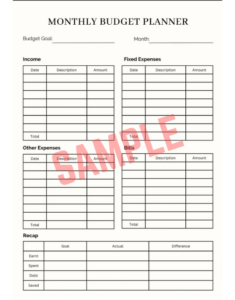
Creating a personalized army personal finance budget template doesn’t have to be complicated. The goal is to set up a clear, easy-to-follow system that reflects your unique financial situation. Here’s a basic framework you can adapt, focusing on the core categories relevant to military personnel.
This sample aims to provide a clear overview of income, expenses, and savings goals. Remember to update it regularly to reflect changes in pay, allowances, or spending habits. The detailed structure helps you visualize where your money goes and identify areas for improvement. You can use a spreadsheet program, a dedicated budgeting app, or even pen and paper to create your own version of this template. The key is consistency and accuracy in tracking your financial transactions. This comprehensive approach forms the backbone of a successful financial journey. Here is a simplified structure that covers the main components:
| Category | Description | Monthly Amount |
|---|---|---|
| I. Income | ||
| Basic Pay (Gross) | Your base salary before taxes and deductions. | $X,XXX.XX |
| Basic Allowance for Housing (BAH) | Non-taxable housing allowance. | $X,XXX.XX |
| Basic Allowance for Subsistence (BAS) | Non-taxable food allowance. | $XXX.XX |
| Special Pay/Bonuses | Any additional pay (e.g., hazardous duty, reenlistment). | $XXX.XX |
| Other Income | Spouse’s income, side jobs, etc. | $X,XXX.XX |
| Total Monthly Income | $X,XXX.XX | |
| II. Expenses | ||
| Fixed Expenses | ||
| Rent/Mortgage | Your monthly housing payment. | $X,XXX.XX |
| Car Payment(s) | Monthly loan payments for vehicles. | $XXX.XX |
| Insurance (Auto, Life, Renter’s) | Regular insurance premiums. | $XXX.XX |
| Utilities (Fixed) | e.g., Internet, Phone Bill. | $XXX.XX |
| Debt Payments (Minimum) | Student loans, credit cards (minimum due). | $XXX.XX |
| Variable Expenses | ||
| Groceries | Food and household necessities. | $XXX.XX |
| Dining Out/Entertainment | Restaurants, movies, hobbies. | $XXX.XX |
| Transportation (Gas, Maintenance) | Fuel costs, minor vehicle upkeep. | $XXX.XX |
| Personal Care | Haircuts, toiletries, clothing. | $XXX.XX |
| Utilities (Variable) | e.g., Electricity, Water (if fluctuating). | $XXX.XX |
| Miscellaneous/Buffer | Unexpected small expenses. | $XXX.XX |
| Total Monthly Expenses | $X,XXX.XX | |
| III. Savings & Debt Reduction Goals | ||
| Emergency Fund | Amount put aside for unforeseen events. | $XXX.XX |
| TSP Contribution | Your contribution to the Thrift Savings Plan. | $XXX.XX |
| Other Savings Goals | Down payment, vacation, education. | $XXX.XX |
| Extra Debt Payments | Above minimums for credit cards, loans. | $XXX.XX |
| Total Monthly Savings & Debt Reduction | $X,XXX.XX | |
| IV. Summary | ||
| Total Income – Total Expenses – Total Savings/Debt Reduction | Should ideally be $0 or positive. | $X.XX |
Tips for Maximizing Your Military Financial Plan
Beyond simply tracking your money, maximizing your military financial plan involves strategic decisions and leveraging available resources. Taking a proactive approach can significantly enhance your financial readiness and long-term security. It’s about making your money work harder for you.
One crucial tip is to automate your savings. Set up direct deposits to your Thrift Savings Plan (TSP) and a separate emergency fund account immediately after you get paid. This “set it and forget it” method ensures you consistently save before you have a chance to spend. Prioritize debt reduction, especially high-interest credit card debt.
Using methods like the debt snowball or debt avalanche can help you systematically eliminate balances. Reducing debt frees up more of your income, giving your budget more flexibility and reducing financial stress. Take advantage of military financial counseling services. Most installations offer free financial advisors who can provide personalized guidance on budgeting, investing, and retirement planning.
These experts understand the nuances of military pay and benefits. Regularly review and adjust your army personal finance budget template. Life in the military is dynamic, with changes in rank, location, or family status. A quarterly review allows you to adapt your budget to new circumstances, ensuring it remains relevant and effective. Finally, educate yourself about military benefits like the Servicemembers Civil Relief Act (SCRA) and educational benefits (GI Bill).
Understanding these programs can provide significant financial advantages and protections throughout your service and beyond. A well-crafted army personal finance budget template is more than just a document; it’s a dynamic tool for empowerment. By diligently tracking your income and expenses, leveraging military-specific benefits, and consistently reviewing your plan, you pave the way for a secure financial future. S
tart building your financial foundation today to gain peace of mind and achieve your personal and professional goals. Taking control of your finances ultimately strengthens your overall well-being, both in and out of uniform. Don’t wait to optimize your financial habits; embrace the discipline of budgeting and watch your financial stability grow.