Reducing food waste is a crucial step towards a more sustainable lifestyle and significant savings for your household budget. Many people underestimate how much edible food they discard daily, from forgotten leftovers to expired produce. Understanding this problem is the first step towards a solution, and that’s where a well-designed food waste tracking log template becomes invaluable.  This article will explore the benefits of diligently logging your discarded food items, how it empowers you to make informed changes, and provide practical insights into creating and utilizing an effective food waste tracking log template. You’ll learn exactly what to look for in a good template and how to start your journey toward zero waste in the kitchen.
Understanding the Impact of Food Waste
Food waste is a global issue with far-reaching environmental and economic consequences. When food ends up in landfills, it decomposes and produces methane, a potent greenhouse gas contributing to climate change. Beyond the environmental toll, households and businesses worldwide lose billions of dollars annually on food that is never consumed. Tracking your food waste helps you identify specific patterns and common culprits in your own kitchen. You might discover that certain items consistently expire before you can use them, or that large portions often go unfinished. Pinpointing these areas allows you to adjust your shopping habits, meal planning, and food storage techniques effectively. This simple practice can lead to substantial savings and a smaller carbon footprint.
Benefits of Using a Food Waste Tracker
Implementing a food waste tracking log template offers a multitude of advantages beyond just identifying what you throw away. It cultivates a greater awareness of your consumption habits and promotes more mindful decision-making. Over time, you’ll develop better strategies for managing your groceries and leftovers. Here are some key benefits:
- Saves Money: By understanding what food you discard, you can adjust your shopping list to buy only what you need, preventing costly spoilage.
- Reduces Environmental Impact: Less food in landfills means less methane production, contributing to a healthier planet.
- Improves Meal Planning: Data from your log helps you plan meals more efficiently, ensuring ingredients are used before they spoil.
- Enhances Food Storage Practices: You’ll learn which storage methods work best for different foods to extend their shelf life.
- Fosters Sustainable Habits: Consistent tracking encourages a mindset of appreciation for food and a commitment to reducing waste.
- Educational Tool: It’s a great way to teach children about food responsibility and the importance of sustainability.
Crafting Your Ideal Food Waste Tracking Log Template
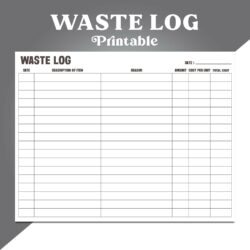
A truly effective food waste tracking log template should be simple to use and comprehensive enough to capture all necessary details. The goal is to make the logging process quick and painless so you stick with it consistently. A good template empowers you to analyze your waste over time and pinpoint recurring issues.  Consider including columns for the date, item description, quantity, reason for waste, and potential cost. Adding a column for “action taken” or “notes” can also be highly beneficial for jotting down ideas on how to prevent similar waste in the future. This level of detail transforms a simple log into a powerful analytical tool.
Sample Food Waste Tracking Log Template
Here is a basic structure for a printable food waste tracking log template that you can adapt for your personal needs. This design is straightforward, allowing for quick entries while providing enough detail for meaningful analysis. You can easily create this in a notebook, spreadsheet, or print it out.
| Date | Item Discarded | Quantity (e.g., 1 apple, 1/2 cup) | Reason for Waste | Estimated Cost ($) | Notes/Prevention Idea |
|---|---|---|---|---|---|
| 2024-03-10 | Half an avocado | 1/2 unit | Browned/Expired | $1.00 | Only buy small avocados, or use quickly in smoothies. |
| 2024-03-11 | Leftover pasta | 1 cup | Forgotten in fridge | $0.75 | Label leftovers with date, plan to eat within 2 days. |
| 2024-03-12 | Stale bread slices | 3 slices | Stale | $0.50 | Freeze excess bread; make breadcrumbs or croutons. |
| 2024-03-13 | Wilted spinach | 1 bag | Spoiled before use | $3.00 | Buy smaller bags of spinach or use quickly in cooking. |
| 2024-03-14 | Expired yogurt | 1 container | Expired | $1.20 | Check dates before buying, use older items first. |
Using a food waste tracking log template like this consistently helps you spot trends. Perhaps you often buy too much fresh produce that spoils, or frequently forget about leftovers. Once these patterns emerge, you can implement targeted changes, like shopping more frequently for smaller amounts or setting a “eat me first” shelf in your fridge.
Taking control of your food waste starts with awareness, and a dedicated tracking system is your most effective tool. By consistently logging what you discard, you gain valuable insights into your habits and identify key areas for improvement. This proactive approach not only helps your wallet but also contributes positively to the environment.
Embrace the journey towards a more sustainable kitchen by downloading or creating your own food waste tracking log template today. Start small, be consistent, and watch as your efforts translate into less waste, more savings, and a more mindful relationship with the food you buy.