Managing donations effectively is a cornerstone for any successful nonprofit or charitable organization. Without a clear system, tracking contributions can become a chaotic and time-consuming task, leading to potential inaccuracies and missed opportunities for donor engagement. Implementing a reliable donation drop off log template is crucial for maintaining organized records and ensuring smooth operations.  This article will explore the importance of detailed donation logging, outline the key components of an effective log template, and provide insights into how a well-structured system can significantly benefit your organization. You will discover how a simple template can enhance accountability, simplify reporting, and improve overall donor relations.
Why Every Nonprofit Needs a Robust Donation Tracking System
Efficiently managing the influx of donated goods and monetary contributions is a significant challenge for many charitable organizations. A robust tracking system, anchored by tools like a donation drop off log template, provides the necessary framework to handle these items with precision and transparency. This system is not just about counting items; it’s about building trust and ensuring compliance.
Accurate records empower organizations to demonstrate accountability to their donors and the public. It simplifies internal processes, allowing staff and volunteers to quickly identify what has been received and where it needs to go. This level of organization prevents confusion and maximizes the impact of every generous contribution.
Ensuring Accuracy for Tax Purposes
One of the primary benefits of using a detailed log is its role in tax compliance. Donors often require official documentation for their non-cash contributions when filing taxes. A precise donation drop off log template ensures that all necessary information, such as item description, quantity, and date of donation, is readily available.
This meticulous record-keeping helps both the donor and the organization meet IRS requirements for substantiating charitable contributions. It reduces the administrative burden during tax season and provides a clear audit trail if ever needed. Organizations can confidently provide accurate receipts, fostering donor confidence and encouraging future giving.
Streamlining Inventory and Volunteer Management
Beyond tax receipts, a comprehensive tracking system vastly improves internal operations, especially for organizations that receive many physical goods. Knowing exactly what items have been dropped off allows for better inventory management and distribution planning. This insight can prevent overstocking of certain items and highlight urgent needs.
Furthermore, a well-defined process facilitated by a consistent log helps volunteers understand their tasks clearly. It provides a structured way for them to record donations, ensuring consistency across different shifts and individuals. This enhances overall efficiency and allows volunteers to focus more on direct service rather than administrative confusion.
Key Elements of an Effective Donation Drop Off Log Template
Creating a truly effective donation drop off log template requires careful consideration of what information is most valuable to track. The goal is to capture essential data without making the logging process overly cumbersome for staff or volunteers. A well-designed template strikes this balance, making it easy to use while providing comprehensive records.
The core components typically include details about the donor, the donated items, and the date of receipt. Adding fields for volunteer initials and any specific notes can further enhance the log’s utility. This structured approach ensures that no critical piece of information is overlooked during the busy donation intake process. Here is a sample table illustrating a basic yet effective donation drop off log template:
| Date | Donor Name (or Anonymous) | Item Description | Quantity | Estimated Value | Volunteer Initials | Notes |
|---|---|---|---|---|---|---|
| 2023-10-26 | Jane Doe | Children’s Books, gently used | 25 | $50 | JD | For youth literacy program |
| 2023-10-26 | Anonymous | Winter Coats (various sizes) | 10 | $200 | MD | Adult sizes, good condition |
| 2023-10-27 | John Smith | Canned Goods (non-perishable) | 50 | $75 | SK | Mixed vegetables and soups |
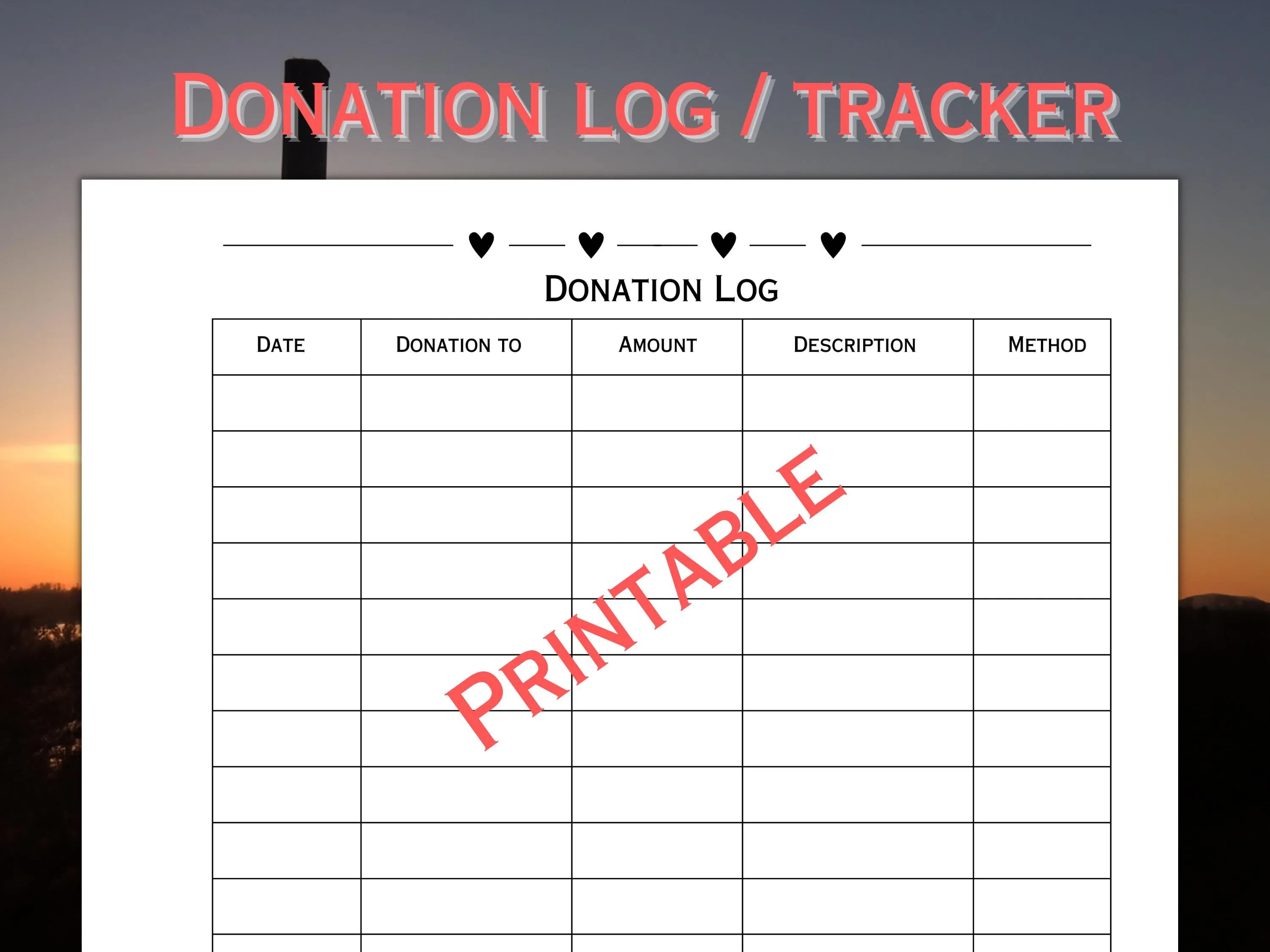
Customizing Your Donation Tracking Log
While a standard template provides a solid foundation, organizations should feel empowered to customize their donation tracking log to fit their unique operational needs. For instance, a food bank might add a field for “Expiration Date,” while a clothing charity could include “Size” or “Condition.” Tailoring the template ensures it remains relevant and maximally useful.
Consider specific categories of donations your organization frequently receives. Adding drop-down menus or designated columns for these categories can further streamline the logging process and improve data consistency. Regular review of your template’s effectiveness allows for ongoing improvements and adaptations as your organization evolves.
Digital Versus Physical Logs
Organizations have the option to implement their donation drop off log template in either a physical (paper-based) or digital format. Both have distinct advantages depending on resources and operational scale. Physical logs are easy to start with, require no special equipment, and can be immediately accessible at any drop-off point. Digital logs, using spreadsheets or specialized software, offer greater searchability, data analysis capabilities, and cloud storage for enhanced security and accessibility. They also facilitate automated reporting and can integrate with donor management systems.
Many organizations find a hybrid approach, using physical logs for initial intake and then transferring data to a digital system, works best. Implementing a well-designed donation drop off log template is an invaluable step toward enhancing the operational efficiency and financial transparency of any charitable organization. It streamlines record-keeping, ensures compliance for tax purposes, and builds stronger relationships with generous donors.
The clarity and organization provided by such a system empower organizations to focus more on their mission. By consistently utilizing a comprehensive log, you safeguard your organization against potential administrative pitfalls and build a foundation of trust. Taking the time to create or adapt a template that perfectly suits your needs will pay dividends in improved workflow and greater accountability. Start optimizing your donation intake process today to make every contribution count more effectively.
