Organizing a successful event often feels like juggling many moving parts, and financial tracking is paramount among them. Keeping a precise record of who has registered and, more importantly, who has paid, is crucial for smooth operations and accurate budgeting. Without a reliable system, event planners risk confusion, financial discrepancies, and attendee dissatisfaction.  This article will explore the immense value of a dedicated event registration payment log template. We’ll delve into the essential components of such a template, discuss how it streamlines event management, and provide practical tips for implementing one effectively, helping you maintain clarity and control over your event finances.
Why a Dedicated Event Payment Tracker is Essential
Managing event finances efficiently is a cornerstone of event planning success. A precise event payment tracker ensures that every registration fee, deposit, and final payment is accounted for, eliminating guesswork and potential losses. This level of detail helps prevent overspending and ensures all revenue streams are accurately reflected.
Implementing a robust system also enhances accountability. When multiple team members are involved in registrations, a standardized payment log provides a single source of truth for all transactions. This transparency reduces miscommunication and allows for quick reconciliation of financial records at any point in the event lifecycle. Ultimately, a well-maintained payment log contributes significantly to a stress-free financial experience for both organizers and attendees.
- Financial Clarity: Gain a real-time overview of all incoming payments and outstanding balances.
- Reduced Errors: Minimize the risk of misplaced payments or incorrect financial data entries.
- Improved Budgeting: Accurately track revenue against expenses for better financial forecasting.
- Enhanced Reporting: Generate precise financial reports for stakeholders and post-event analysis.
- Streamlined Reconciliation: Simplify the process of matching bank statements with attendee payments.
Key Elements of an Effective Event Registration Payment Log Template
An effective event registration payment log template is more than just a list of names; it’s a comprehensive tool designed to capture all relevant financial and attendee information. Each field in the template serves a specific purpose, contributing to the overall accuracy and utility of the log. Thoughtful design ensures that all necessary data points are easily accessible and understandable.
Consider including columns for attendee contact information, the type of registration package chosen, and any special requests. Capturing these details alongside payment data provides a holistic view of each registrant. This integrated approach not only helps with payment tracking but also aids in personalized event experiences and follow-up communications.
Sample Event Registration Payment Log Template Structure
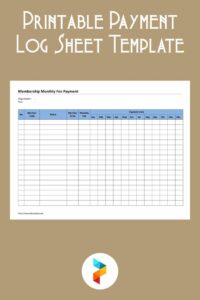
Here is a sample structure for an effective event registration payment log template, which can be adapted for various event types and sizes. This format ensures all critical data points are captured systematically.
| Registration ID | Attendee Name | Email Address | Registration Type | Date Registered | Payment Method | Amount Due | Amount Paid | Payment Date | Status | Notes |
|---|---|---|---|---|---|---|---|---|---|---|
| EVT-001 | Jane Doe | [email protected] | Full Pass | 2024-03-10 | Credit Card | $150.00 | $150.00 | 2024-03-10 | Paid | Early Bird Rate |
| EVT-002 | John Smith | [email protected] | Student Pass | 2024-03-12 | PayPal | $75.00 | $75.00 | 2024-03-12 | Paid | ID Verified |
| EVT-003 | Emily White | [email protected] | Workshop Only | 2024-03-15 | Bank Transfer | $50.00 | $0.00 | – | Pending | Payment expected by 2024-03-20 |
| EVT-004 | David Green | [email protected] | VIP Pass | 2024-03-18 | Credit Card | $300.00 | $300.00 | 2024-03-18 | Paid | Includes exclusive dinner |
This structure enables quick identification of attendees, their payment status, and any necessary follow-up actions. It’s a powerful tool for maintaining financial integrity and organizational clarity for any event. A well-designed event registration payment log template is an indispensable asset for effective event management.
Choosing the Right Format for Your Payment Tracking Sheet
Selecting the appropriate format for your event registration payment log template depends heavily on the scale and complexity of your event. For smaller, simpler gatherings, a printable spreadsheet might suffice, offering a straightforward way to manually update records. This tactile approach can be beneficial for teams who prefer physical copies and direct annotations.
However, for larger events with numerous registrants and diverse payment methods, a digital solution is often more practical. Spreadsheet software like Microsoft Excel or Google Sheets provides powerful features for sorting, filtering, and automating calculations. These platforms also facilitate collaboration among team members, allowing multiple users to access and update the payment tracking sheet in real-time, minimizing data entry errors and speeding up reconciliation processes.
Implementing an online event registration payment log template also offers enhanced security and data backup capabilities. Cloud-based solutions ensure that your critical financial data is protected and accessible from anywhere, a significant advantage for event managers on the go. Regardless of the format chosen, consistency in data entry and regular updates are key to maximizing the template’s benefits.
A well-structured event registration payment log template is an indispensable tool for any event organizer. It brings clarity to complex financial tasks, minimizes errors, and empowers you to make informed decisions throughout the planning process. By effectively tracking every payment, you ensure a smoother experience for attendees and a more financially secure outcome for your event. Embrace these systematic approaches to transform your event financial management from a daunting challenge into a streamlined operation, ultimately leading to more successful and rewarding events.