Welcoming a newborn brings immense joy, but also a whirlwind of new responsibilities and an endless to-do list. Keeping track of your baby’s feeding times, diaper changes, and sleep patterns can feel overwhelming amidst sleepless nights and precious cuddles. This is where a well-designed feeding and diaper log template becomes an invaluable tool, transforming chaos into clarity for new parents and caregivers alike.  This article will guide you through understanding the benefits of using a daily infant care record, show you how to effectively utilize such a log, and even provide a sample of a practical feeding and diaper log template that you can adapt for your own needs. By the end, you’ll be equipped to monitor your baby’s vital activities with ease, ensuring their well-being and giving you peace of mind.
Why Tracking Your Baby’s Routine Matters
Monitoring your baby’s daily routine provides numerous benefits beyond simply remembering when their last feeding was. A comprehensive daily log helps you identify patterns, recognize potential issues early, and communicate effectively with healthcare providers. This detailed record contributes significantly to your baby’s health and your own parenting confidence.
Understanding your baby’s feeding schedule, including breast milk intake or formula volume, is crucial for assessing their growth and nutritional needs. Similarly, tracking diaper changes—both wet and soiled—gives essential insights into hydration levels and digestive health. These observations are fundamental for every parent.
Beyond feeding and diaper changes, a thorough infant care record can also include notes on sleep duration, medication times, and even unusual behaviors. This holistic view helps you and your pediatrician make informed decisions about your baby’s care. It becomes a reliable reference point in those early, hazy days.
Creating Your Essential Newborn Daily Log
Developing a useful newborn daily log doesn’t have to be complicated. The key is to include all necessary information in a clear, easy-to-read format. A good feeding and diaper log template provides structure, making it simple to jot down details quickly and accurately, even when you’re tired.
Consider what information you need to track regularly. Most parents focus on feeds, diapers, and sleep, but you might also want to add sections for medications, mood, or visitors. The goal is to create a personalized baby tracking sheet that fits your family’s unique needs. This flexibility makes a template so powerful.
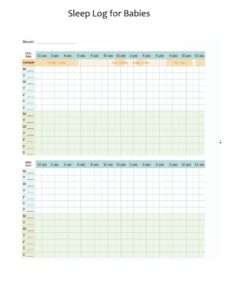
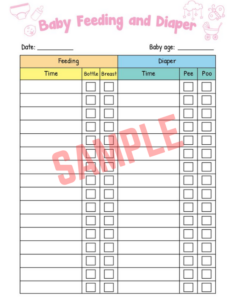
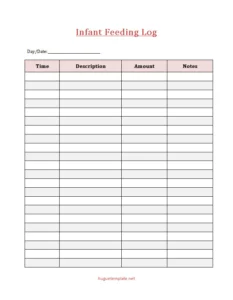
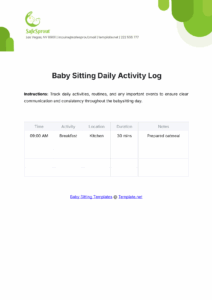
Below is a sample of a simple yet effective feeding and diaper log template. You can print this out or use it as inspiration to create your own digital or physical version. This structure ensures you capture all critical information without feeling overwhelmed. 
| Time | Feeding (Type/Duration/Amount) | Diaper (Wet/Poop) | Sleep (Start/End/Duration) | Notes (Meds, Mood, etc.) |
|---|---|---|---|---|
| 7:00 AM | Breast (R 15 min) | Wet | Woke up hungry | |
| 8:30 AM | Formula (3 oz) | Poop | 8:00 AM – 9:30 AM (1.5 hrs) | Slept soundly after feeding |
| 10:00 AM | Breast (L 12 min) | Wet | ||
| 12:00 PM | Formula (4 oz) | Wet | 11:30 AM – 1:00 PM (1.5 hrs) | Fussy before nap |
| 2:00 PM | Breast (R 10 min) | Poop | ||
| 3:30 PM | Formula (3.5 oz) | Wet | 3:00 PM – 4:30 PM (1.5 hrs) | Happy after diaper change |
| 6:00 PM | Breast (L 15 min) | Wet | ||
| 8:00 PM | Formula (4 oz) | Poop | 7:30 PM – 9:00 PM (1.5 hrs) | |
| 10:00 PM | Breast (R 10 min) | Wet | Dream feed |
Tips for Maximizing Your Baby Tracking Sheet
To get the most out of your baby’s daily routine tracker, consistency is key. Try to record information as soon as it happens, rather than relying on memory later. Keep your feeding and diaper log template in a convenient location, like near the changing table or feeding area, to make this easier.
Consider involving all caregivers in the tracking process. If multiple people are caring for your baby, ensure everyone understands how to use the log and where to find it. This ensures a complete and accurate record, which is especially helpful when transitioning care. Apps can also simplify this sharing process.
Remember, this tool is designed to support you, not add extra stress. Don’t worry about perfection; focus on capturing the essential information that helps you understand your baby’s patterns and communicate with your pediatrician. A simple record is far better than no record at all for monitoring infant care.
Using a well-structured feeding and diaper log template can significantly reduce the stress associated with newborn care, offering clarity and control during a hectic time. It provides a clear overview of your baby’s vital activities, from feeding patterns and diaper changes to sleep cycles, which is invaluable for monitoring their health and development. Embracing this simple tool empowers you to be a more informed and confident parent.
Start implementing a daily baby log today to create a detailed history of your infant’s early days. This record will not only assist in day-to-day care but also become a cherished keepsake, offering insights into your baby’s journey of growth. Download or create your personalized template now and experience the peace of mind that comes with organized infant care.