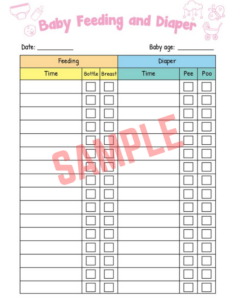
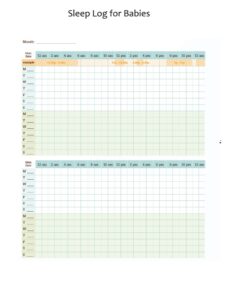
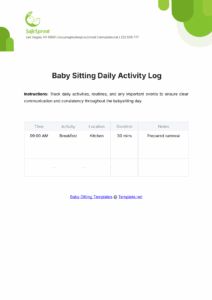
Welcoming a newborn into your home is an incredible journey filled with joy, wonder, and a fair share of questions. One of the most common concerns for new parents revolves around their baby’s feeding habits. Understanding how much, how often, and even when your little one is eating can feel overwhelming without a structured approach. This is where an infant feeding daily log template becomes an indispensable tool.  Using a simple yet effective tracking system can provide clarity and peace of mind. This article will explore why keeping a detailed feeding log is crucial for your baby’s health and your sanity, and we’ll guide you through creating and utilizing a practical daily log to monitor your infant’s development and feeding patterns. By the end, you’ll be well-equipped to manage this important aspect of newborn care with confidence.
Why Tracking Your Baby’s Feeding Schedule Matters
Monitoring your baby’s feeding schedule might seem like an extra chore in an already busy routine, but it offers significant benefits for both you and your infant. A well-maintained baby feeding log provides a clear record of your baby’s intake, helping you identify patterns and address concerns promptly. It removes the guesswork and replaces it with concrete data.
One primary reason to track feedings is to ensure your baby is getting adequate nutrition. Especially in the early weeks, consistent feeding helps promote healthy weight gain and development. Whether you’re breastfeeding, formula feeding, or a combination, knowing the exact timing and amount of each feed can prevent both overfeeding and underfeeding, supporting your baby’s growth milestones.
Furthermore, an infant feeding daily log template can be a vital communication tool between parents and healthcare providers. During pediatrician visits, discussing your baby’s feeding habits is a key part of the check-up. Having precise records allows you to provide accurate information, helping your doctor assess growth, troubleshoot feeding challenges, and offer tailored advice based on concrete data rather than vague recollections.
Tracking also extends beyond just feeding. Many comprehensive logs include sections for wet and dirty diapers, sleep patterns, and even mood. This holistic view helps paint a complete picture of your baby’s daily rhythm. Recognizing changes in these patterns early can often signal an underlying issue that might otherwise go unnoticed.
Consider these key benefits of diligently using a feeding tracker:
- Ensures Adequate Intake: Verifies your baby is receiving enough breast milk or formula for healthy development.
- Identifies Feeding Patterns: Helps establish a predictable routine, which can be beneficial for both baby and parents.
- Supports Health Monitoring: Provides crucial data for tracking weight gain and monitoring overall well-being.
- Facilitates Doctor Visits: Offers precise information for pediatricians to assess growth and address concerns.
- Boosts Parental Confidence: Reduces anxiety by offering a clear, data-driven overview of your baby’s daily needs.
- Detects Early Issues: Allows you to spot changes in feeding, sleep, or diaper output that may indicate a problem.

Now, let’s look at what a practical infant feeding daily log template might look like. This sample provides essential fields to track your baby’s daily activities comprehensively. Remember, you can customize this to fit your specific needs and your baby’s routine.
| Time | Activity | Details | Diaper (Wet/Dirty) | Notes |
|---|---|---|---|---|
| 6:00 AM | Feeding (Breast) | Right: 15 min, Left: 12 min | Wet | Baby seemed hungry, good latch |
| 7:30 AM | Sleep | 1 hour | – | Slept peacefully in crib |
| 8:30 AM | Feeding (Formula) | 3 oz | Wet | Drank quickly, seemed satisfied |
| 9:00 AM | Wake Time | Play mat, tummy time | – | Good head control practice |
| 10:15 AM | Feeding (Breast) | Right: 10 min, Left: 8 min | Dirty | Slight spit-up after feeding |
| 10:45 AM | Sleep | 1.5 hours | Wet | Woke up smiling |
| 12:30 PM | Feeding (Formula) | 3.5 oz | Wet | Eager to eat |
| 1:00 PM | Wake Time | Cuddles, reading book | – | Very alert and cooing |
| 2:45 PM | Feeding (Breast) | Right: 12 min, Left: 10 min | Dirty | Full diaper, changed immediately |
| 3:15 PM | Sleep | 1 hour | Wet | Short nap |
| 4:30 PM | Feeding (Formula) | 4 oz | – | Very hungry this round |
| 5:00 PM | Wake Time | Bath time, gentle massage | Wet | Enjoyed the bath |
| 6:30 PM | Feeding (Breast) | Right: 15 min, Left: 15 min | Wet | Longer feeding session |
| 7:15 PM | Sleep | Bedtime | – | Fell asleep quickly after feeding |
This sample demonstrates how detailed a log can be, capturing various aspects of your baby’s day. The “Activity” column can include feeding, sleep, diaper changes, and awake time. “Details” offers specifics, such as the duration for breastfeeding, ounces for formula, or time spent sleeping. The “Diaper” column tracks crucial output, and “Notes” allows for any observations like spit-up, fussiness, or specific interactions.
Implementing an infant feeding daily log template into your routine can significantly simplify the early parenting experience. It offers a tangible record of your baby’s progress, helping you feel more in control and confident in your care decisions. The insights gained from consistent tracking are invaluable, providing reassurance and informing important conversations with your pediatrician.
So, take the proactive step of using a detailed feeding log. Whether you prefer a printable sheet, a dedicated notebook, or a mobile app, finding a system that works for you will make a world of difference. Start tracking today and empower yourself with the knowledge needed to nurture your little one through their first precious months.