There’s nothing quite like the open road, the wind in your hair, and a new horizon beckoning with every mile. Road trips offer unparalleled freedom and a chance to truly explore, but even the most spontaneous adventures require a little planning, especially when it comes to your wallet. That’s where a solid road trip travel budget template becomes your best co-pilot, ensuring your journey is filled with memories, not financial worries.
Many travelers dream of hitting the road without a care in the world, only to find themselves halfway through their journey, wondering how much they’ve spent and how much is left. Unexpected costs can quickly derail the fun, turning an exciting escape into a stressful exercise in damage control. From surprise tolls to irresistible souvenirs, expenses can add up faster than you might expect.
But don’t let the thought of budgeting overshadow your wanderlust. With a clear understanding of potential costs and a simple system to track them, you can embark on your next epic drive with complete peace of mind. This article will guide you through the essential components of a road trip budget, helping you create a template that fits your unique travel style and ensures a smooth, enjoyable ride from start to finish.
Understanding Your Road Trip Expenses
Before you can even begin to assign numbers, it’s crucial to identify all the potential financial pitfalls and necessary expenditures on your road trip. Thinking through these categories ahead of time will prevent most surprises and allow for a much more accurate budget. It’s about breaking down your grand adventure into manageable financial pieces, making the whole process less daunting.
Accommodation Costs
Where will you rest your head each night? This can vary wildly depending on your preference. Are you a fan of cozy motels, luxurious hotels, quaint bed and breakfasts, or perhaps adventurous camping under the stars? Don’t forget to factor in potential parking fees, resort fees, or even charges for pets if they’re joining your journey. Researching average prices for your chosen type of lodging in the areas you plan to stop can give you a good starting point.
Fuel and Vehicle Maintenance
Ah, the engine that powers your adventure! Fuel is often one of the biggest expenses on any road trip. Consider your vehicle’s average miles per gallon, the total distance you plan to travel, and current fuel prices in the regions you’ll be passing through. It’s also wise to set aside a small contingency for unexpected vehicle maintenance, like a flat tire or a quick oil change, just in case. Pre-trip checks on tires, fluid levels, and brakes can minimize these surprises, but a little buffer is always smart.
Food and Drink
Eating on the go can be a joy, but it can also be a significant drain on your budget if not managed. Will you be dining out at local eateries, enjoying a mix of restaurants and self-prepared meals, or mostly packing your own snacks and picnic lunches? Think about coffee stops, water bottles, and those irresistible roadside treats. Having a cooler filled with drinks and sandwich supplies can save a lot, freeing up funds for that special dinner experience.
Activities and Attractions
What kind of experiences are you hoping to have along the way? Entrance fees for national parks, museums, theme parks, guided tours, or even just parking at popular viewpoints can add up. List out any must-see attractions or activities you’re interested in and research their costs. Sometimes, free alternatives like hiking trails or scenic drives can provide just as much enjoyment without costing a dime.
Miscellaneous and Contingency
This category is crucial for flexibility. It covers everything from tolls and parking meters to souvenirs, laundry services, and those impulse purchases you just can’t resist. More importantly, it acts as your emergency fund for unforeseen circumstances. A good rule of thumb is to allocate 10-15% of your total budget to miscellaneous and contingency expenses. This ensures that a minor hiccup won’t derail your entire financial plan, allowing you to truly relax and enjoy the journey.
Building Your Personalized Budget Template
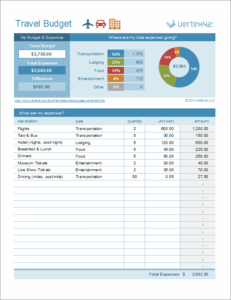
Now that you have a clear picture of what you need to account for, it’s time to assemble your personalized budget template. This doesn’t have to be a complicated spreadsheet full of formulas, although it certainly can be if you’re comfortable with that. The key is to create a system that works for you, one that you’ll actually use consistently throughout your trip.
Start by choosing your tool. This could be a simple notebook, a digital spreadsheet (like Google Sheets or Excel), or even a specialized budgeting app designed for travel. Whatever you pick, ensure it’s easily accessible on the go, perhaps on your phone or a tablet. The goal is to make tracking as effortless as possible, so you don’t feel bogged down by numbers while trying to enjoy a beautiful vista.
Populating your template involves a few straightforward steps:
- Begin by listing all the expense categories we discussed, and any others specific to your trip.
- For each category, estimate a realistic amount based on your research and preferences. Don’t be afraid to adjust these numbers as you go.
- Set a daily or weekly spending limit for variable categories like food and activities. This helps keep you aware of your pace.
- Throughout your trip, diligently record every expense. Even small purchases can accumulate quickly.
- Regularly review your spending against your budget. If you overspend in one area, look for opportunities to save in another.
Remember, a road trip travel budget template is a living document, not a rigid constraint. It’s designed to give you clarity and control, empowering you to make informed decisions and adapt to the unexpected. Having this framework in place allows you to fully immerse yourself in the adventure, knowing you have a clear financial roadmap guiding your journey.
Embracing a budget for your next road trip means trading financial stress for pure enjoyment and unforgettable experiences. By understanding your expenses and actively managing them, you’re not just saving money; you’re investing in a smoother, more enjoyable travel experience. So go ahead, plot your course, pack your bags, and hit the road with the confidence that comes from being prepared for anything. Your next great adventure awaits, and it’s going to be spectacular, and financially sound too.