Sleep is a fundamental pillar of health, yet many patients struggle with disorders that disrupt it. Accurately diagnosing conditions like insomnia, sleep apnea, or restless leg syndrome often requires more than just a brief patient interview. Clinicians need objective data to understand sleep patterns, and that’s where a well-designed sleep log template for doctors becomes an invaluable tool.
This comprehensive guide will explore why detailed sleep tracking is essential for effective patient care and how to leverage a robust sleep log to gain critical insights. We’ll delve into the key components that make a sleep log effective and even provide a sample format to help you integrate this powerful diagnostic aid into your practice. Understanding a patient’s sleep habits can significantly improve diagnostic accuracy and lead to more targeted and successful treatment plans.
Why Accurate Sleep Tracking Is Crucial For Patient Diagnosis
Understanding a patient’s true sleep landscape goes beyond their recollection during an office visit. Memories can be inaccurate or incomplete, influenced by fatigue or a desire to present a particular picture. An accurate sleep log provides a factual, day-by-day account, painting a clearer picture for medical professionals.
Understanding the Impact of Sleep Disorders
Sleep disorders can profoundly affect a patient’s physical and mental well-being. Chronic sleep deprivation is linked to an increased risk of heart disease, diabetes, obesity, and impaired cognitive function. For example, the CDC estimates that over a third of adults in the United States report not getting enough sleep on a regular basis.
Identifying these issues early is critical for preventing long-term health complications. A detailed sleep diary helps pinpoint specific disruptions, such as frequent awakenings or inconsistent bedtimes. This data allows doctors to differentiate between various sleep conditions and refer patients appropriately.
The Limitations of Self-Reported Sleep
Patients often estimate their sleep duration or quality based on general feelings rather than precise times. They might remember a particularly bad night but forget the relatively good ones, skewing their overall perception. This recall bias can hinder a doctor’s ability to accurately assess the severity or nature of a sleep problem.
Furthermore, patients may not be aware of certain behaviors, like snoring or leg movements during sleep, which are crucial indicators of underlying disorders. A sleep log template for doctors encourages patients to record observations from bed partners or family members, providing a more holistic view of their nocturnal habits. This collective information is far more reliable than isolated recollections.
Enhancing Clinical Accuracy with Data
Collecting consistent data over several weeks provides a longitudinal view of sleep patterns. This is particularly useful for identifying trends, triggers, and the effectiveness of initial interventions. For instance, a patient might report feeling tired, but their sleep log could reveal inconsistent sleep schedules rather than a specific sleep disorder.
The quantitative and qualitative data gathered from a sleep log helps clinicians make informed decisions. It can guide further diagnostic testing, such as polysomnography, or refine treatment strategies for existing conditions. Utilizing a detailed sleep log template for doctors leads to a more precise diagnosis and personalized treatment approach.
Components Of An Effective Sleep Log Template For Doctors
A well-designed sleep log template is more than just a blank sheet; it’s a structured tool that guides patients in recording relevant information. The key is to make it easy for the patient to complete while providing comprehensive data for the physician. Simplicity and clarity are paramount to ensure patient compliance and data accuracy.
Key Data Points to Collect
An effective sleep log should capture specific elements daily to provide a complete picture of a patient’s sleep. These data points help identify patterns and potential issues that might otherwise go unnoticed. Collecting this information consistently over weeks offers invaluable insights.
Essential data points include:
- Bedtime and Wake-up Time: Exact times help track sleep duration and consistency.
- Time Taken to Fall Asleep (Sleep Latency): This can indicate issues like insomnia.
- Number and Duration of Awakenings: Reveals fragmented sleep, common in conditions like sleep apnea.
- Time Out of Bed During Awakenings: Helps differentiate between brief disturbances and significant insomnia.
- Total Sleep Time: A direct measure of how much sleep the patient is getting.
- Sleep Quality Rating: A simple scale (e.g., 1-5) for subjective assessment.
- Daytime Naps: Time and duration, as these can affect nighttime sleep.
- Caffeine/Alcohol/Medication Intake: Times and amounts, noting their potential impact.
- Exercise: Type and time, as physical activity influences sleep.
- Daytime Alertness/Fatigue Rating: How the patient feels during the day.
- Unusual Events/Observations: Any factors like stress, illness, or environmental changes.
Practical Tips for Patient Compliance
The best sleep log is useless if the patient doesn’t fill it out consistently. Encouraging compliance requires clear instructions and making the process as straightforward as possible. A simple, user-friendly sleep log template for doctors is key.
Here are some tips to improve compliance:
- Clear Instructions: Provide concise, easy-to-understand guidelines on how to complete the log.
- Explain the “Why”: Help patients understand why this data is important for their diagnosis and treatment.
- Keep it Simple: Avoid overly complex or lengthy forms. A clean layout is essential.
- Daily Routine: Advise patients to fill it out at consistent times, such as right after waking and before bed.
- Provide Tools: Offer a physical template or recommend an easy-to-use digital alternative if appropriate.
- Positive Reinforcement: Acknowledge their effort and highlight how their data contributes to their care.
Interpreting Sleep Log Data
Once collected, the data from a sleep log needs careful interpretation. Look for consistent patterns rather than isolated incidents. For example, a single night of poor sleep might be an anomaly, but several consecutive nights indicate a problem.
Pay attention to discrepancies between objective data (bedtimes, wake times) and subjective feelings (sleep quality, daytime fatigue). Significant differences might suggest an underlying issue the patient isn’t fully recognizing. A strong sleep log template for doctors facilitates this comparison.
Sample Sleep Log Template For Doctors
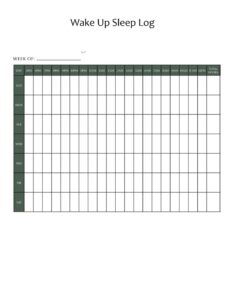
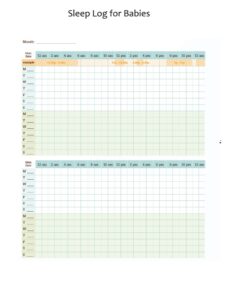
A practical sleep log needs to be intuitive for patients while capturing essential information for medical professionals. Below is a structured example designed to be comprehensive yet easy to complete daily. This format helps identify critical trends and provide actionable insights for physicians.
Daily Sleep Diary Entry Fields
This section outlines the daily entries a patient would typically fill out. Each day should have its own entry, allowing for consistent tracking over time. The goal is to capture both objective timing and subjective experiences.
Here’s a sample layout for a single day:
| Category | Details |
|---|---|
| Date: | ___________ |
| Day of Week: | ___________ |
| Bedtime: | (When did you try to fall asleep?) _________ (e.g., 10:30 PM) |
| Time Fell Asleep: | (Estimated time you actually fell asleep) _________ (e.g., 11:00 PM) |
| Wake Up Time: | (When did you wake up for the day?) _________ (e.g., 7:00 AM) |
| Time Got Out of Bed: | (When did you actually get up?) _________ (e.g., 7:15 AM) |
| Number of Awakenings: | (How many times did you fully wake up?) _________ |
| Total Time Awake During Night: | (Sum of all awakenings) _________ minutes |
| Total Sleep Time: | (Estimated total actual sleep time) _________ hours, _________ minutes |
| Sleep Quality (1-5): | (1=Very Poor, 3=Average, 5=Excellent) _________ |
| Daytime Naps: | Yes / No. If Yes: Start Time _________, End Time _________ |
| Daytime Alertness (1-5): | (1=Very Tired, 3=Average, 5=Very Alert) _________ |
Additional Notes and Observations
Beyond the numerical entries, qualitative data is equally important. This section allows patients to record factors that might influence their sleep, offering deeper context. These notes often reveal triggers or external stressors that automated trackers might miss.
Patients should record the following:
- Caffeine Intake: Time and approximate amount (e.g., 2 cups coffee at 8 AM, 1 soda at 2 PM).
- Alcohol Intake: Time and approximate amount (e.g., 2 glasses wine at 7 PM).
- Medications Taken (Sleep-related): Name, dosage, and time taken.
- Exercise: Type, intensity, and time (e.g., brisk walk, 5 PM).
- Significant Events/Stressors: Anything unusual that might have affected sleep (e.g., argument, late work, travel).
- Observations from Partner/Family: Any snoring, restless movements, or gasps observed by others.
- How did you feel overall today?: A brief summary of their mood or energy levels.
This additional detail enriches the quantitative data, making the sleep log template for doctors a truly powerful diagnostic tool.
Implementing a consistent sleep log template for doctors can dramatically improve the diagnostic process for sleep-related issues. By providing a clear, structured way for patients to track their sleep, clinicians gain access to reliable data that informs more accurate assessments. This leads to better-tailored interventions and, ultimately, improved patient outcomes.
Embrace the power of detailed sleep tracking in your practice to unlock deeper insights into your patients’ health. A well-utilized sleep log will enhance your ability to address sleep disorders effectively, leading to healthier, more rested individuals.