Welcoming a new baby brings immense joy, but also a whirlwind of new routines, especially when it comes to sleep. Many new parents find themselves constantly wondering if their little one is getting enough rest, or if their feeding schedule is impacting sleep. This is where a well-designed sleep log template for babies becomes an invaluable tool. It transforms guesswork into insight, helping you understand your baby’s unique sleep patterns and needs.
Understanding your baby’s sleep habits can feel like solving a complex puzzle. From tracking naps to nighttime sleep, every piece of information helps. By diligently using a baby sleep tracker, you can identify patterns, spot potential issues, and make informed decisions about their daily routine. This comprehensive guide will explain why tracking sleep is beneficial and provide a practical sleep log template for babies that you can start using today.
You’ll learn how a simple sleep diary can empower you to create a more harmonious environment for your infant. We’ll explore the key elements to track, delve into the benefits of consistent logging, and offer actionable tips to optimize your baby’s sleep. Get ready to gain clarity and confidence in managing your baby’s sleep schedule.
Why Tracking Your Baby’s Sleep Matters
Monitoring your baby’s sleep patterns goes beyond just curiosity; it’s a fundamental step in understanding their development and well-being. Keeping a detailed infant sleep schedule log helps parents and caregivers observe trends that might otherwise go unnoticed. This diligent tracking supports both the baby’s health and the parents’ peace of mind.
Observing how your baby sleeps and wakes can reveal a lot about their growth phases. For example, a sudden change in sleep duration might indicate a growth spurt or a developmental milestone. Pediatricians often recommend tracking these patterns, especially for newborns, to ensure healthy development and to rule out any underlying concerns.
Understanding Baby Sleep Cycles
Babies, particularly newborns, have very different sleep cycles compared to adults. Their sleep is often shorter, with more active sleep phases. Tracking this allows you to see how long your baby typically sleeps during naps and at night. This information is crucial for establishing age-appropriate wake windows.
A consistent baby sleep tracker helps you notice how various factors affect their sleep. Are they sleeping longer after a full feeding? Do they wake up frequently during specific hours? Documenting these details helps you connect the dots and adjust their environment or routine for better rest. Many experts suggest that well-rested babies are more receptive to learning and development.
Identifying Sleep Patterns and Challenges
One of the greatest benefits of using a sleep log template for babies is its ability to highlight emerging patterns. You might discover your baby consistently wakes at a certain time for a feeding, or that a specific activity before bedtime leads to a restless night. These insights are invaluable for proactive parenting.
A sleep log also empowers you to pinpoint potential sleep challenges, such as overtiredness or inconsistent nap times. For instance, if you notice your baby is taking very short naps, the log might show their wake window before the nap was too long. Addressing these issues early can prevent them from becoming long-term sleep problems, promoting healthier sleep habits for your little one.
How to Effectively Use a Baby Sleep Log
An effective baby sleep log is more than just a place to jot down times; it’s a comprehensive record that captures various aspects influencing your baby’s rest. To get the most out of your tracking, consistency is key. Make it a habit to fill in the details immediately after each event, rather than trying to recall information later.
Remember, the goal is not perfection, but rather understanding. Don’t stress if a day’s log isn’t perfectly neat or if you miss an entry here and there. The cumulative data over time will still provide valuable insights into your infant’s sleep schedule. This practice helps you build a clearer picture of their daily needs.
Key Elements to Track in Your Sleep Diary
When filling out your sleep log template for babies, consider including these essential details. Each piece of information contributes to a more complete understanding of your baby’s day and night cycles. These elements help paint a holistic picture of your baby’s overall well-being.
- Date and Day: Essential for chronological tracking.
- Start of Nap/Sleep: The exact time your baby fell asleep.
- End of Nap/Sleep: The exact time your baby woke up.
- Total Sleep Duration: Calculate the length of each sleep period.
- Wake-up Mood: Note if your baby woke up happy, groggy, or fussy.
- Feeding Times and Amounts: Record when and how much your baby ate (breastfeeding, bottle-feeding ounces, or solids).
- Diaper Changes: Track wet and soiled diapers, noting any unusual patterns.
- Medications/Supplements: If applicable, note timing and dosage.
- Activities/Notes: Briefly describe activities before sleep (e.g., bath, playtime) or any relevant observations (e.g., teething symptoms, new environment).
- Wake Windows: The time your baby is awake between sleep periods.
Interpreting Your Baby’s Sleep Data
Once you’ve collected a few days or even a week’s worth of data, take time to review the entries. Look for recurring patterns, both positive and negative. Do you see a consistent time your baby seems to get sleepy? Are there particular times when naps are shorter or longer?
Pay attention to the relationship between feeding times, wake windows, and sleep quality. For example, if your baby consistently takes a short nap when their wake window before it was longer than usual, it might suggest overtiredness. Conversely, a very short wake window might mean they weren’t tired enough. Adjusting these elements can often lead to improved sleep for your baby.
Sample Sleep Log Template For Babies
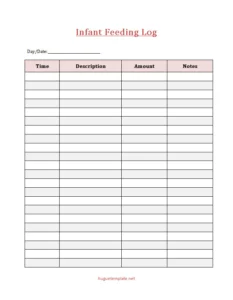
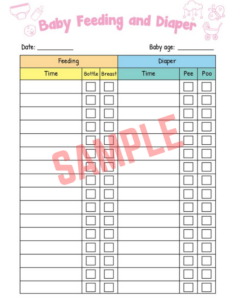
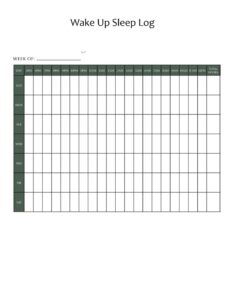
Having a clear format makes tracking much easier and more effective. This sample sleep log template for babies provides a straightforward structure you can use daily. It’s designed to be comprehensive yet simple enough to fill out quickly, even in the middle of a sleep-deprived night. Remember, consistency is key, so choose a format that works best for your family.
You can adapt this template to suit your baby’s specific needs, perhaps adding a column for “caregiver” if multiple people are involved in their care. The most important aspect is to capture the essential information consistently. This structured approach helps you build a reliable history of your baby’s sleep and feeding patterns over time.
**Baby Sleep & Feeding Log - [Baby's Name]**

**Date:** _______________ **Day of Week:** _______________

| Time       | Event Type (Sleep/Feed/Diaper) | Details (e.g., Start Sleep, End Sleep, Breastfeed L/R, Bottle oz, Wet/Dirty) | Duration (e.g., 2 hrs, 15 min, 3 oz) | Mood (e.g., Happy, Fussy, Drowsy) | Notes
|------------|--------------------------------|-------------------------------------------------------------------------------|--------------------------------------|------------------------------------|-------------------------------------------------
| [Time]     | Start Sleep                    | Fell asleep in crib                                                           | -                                    | Drowsy                             | Rocked for 10 min
| [Time]     | End Sleep                      | Woke crying                                                                   | [Calculate Duration]                 | Fussy                              | Short nap today
| [Time]     | Feed                           | Breastfeed L (15 min)                                                         | 15 min                               | Alert                              | Good latch
| [Time]     | Diaper                         | Wet                                                                           | -                                    | Happy                              |
| [Time]     | Start Sleep                    | Fell asleep during feed                                                       | -                                    | Drowsy                             | Contact nap
| [Time]     | End Sleep                      | Woke                                                                          | [Calculate Duration]                 | Happy                              |
| [Time]     | Feed                           | Bottle (4 oz formula)                                                         | 10 min                               | Alert                              | Drank quickly
| [Time]     | Diaper                         | Dirty                                                                         | -                                    | Fussy                              | Blowout!
| [Time]     | Start Sleep                    | Bedtime routine followed                                                      | -                                    | Calm                               | Slept in own room
| [Time]     | End Sleep                      | Night waking for feed                                                         | [Calculate Duration]                 | Hungry                             | Woke crying, fed quickly
| [Time]     | Feed                           | Breastfeed R (10 min)                                                         | 10 min                               | Drowsy                             | Back to sleep easily
| [Time]     | Start Sleep                    | Back to sleep                                                                 | -                                    | Drowsy                             |
| [Time]     | End Sleep                      | Woke for the day                                                              | [Calculate Duration]                 | Happy                              | Total Night Sleep: [Calculate]
Using this type of structured sleep log template for babies allows you to see the entire day at a glance. You can quickly identify how much sleep your baby is getting overnight versus during the day, and correlate it with feeding frequency. This visibility is incredibly empowering for parents striving to understand their infant’s unique rhythms. Consistency in logging will reveal valuable trends and help you make data-driven decisions about their routine.
Embracing a sleep log template for babies is a simple yet powerful step towards greater understanding and peace of mind. By consistently tracking sleep, feeding, and other important aspects of your baby’s day, you gain invaluable insights into their unique patterns and needs. This empowers you to make informed adjustments, foster healthier sleep habits, and enjoy a more predictable routine with your little one.
Taking control of your baby’s sleep journey doesn’t have to be overwhelming. Start by incorporating this easy-to-use baby sleep tracker into your daily routine, and watch as clarity emerges from what once seemed like chaos. Your dedication to understanding their sleep will not only benefit your baby’s development but also contribute to a more rested and confident you.