Immersing yourself in a good book is a truly enriching experience, but how often do you truly remember the details, the key themes, or your personal reflections weeks or months later? Without a structured way to capture your thoughts, valuable insights can fade away. This is where a well-designed weekly reading log template with summary becomes an indispensable tool for every reader, student, or lifelong learner. It transforms casual reading into an active, reflective process, significantly boosting comprehension and retention.
Keeping a consistent reading log not only helps you track your progress but also encourages deeper engagement with the material. Imagine easily recalling specific plot points, character developments, or important arguments from non-fiction books simply by glancing at your concise summaries. This article will explore the profound benefits of using such a template, guide you through its effective implementation, and provide a clear sample to get you started on your journey toward more mindful and memorable reading.
Whether you’re looking to improve your academic performance, enhance your personal growth, or simply get more out of your literary adventures, incorporating a dedicated reading tracker can make all the difference. We’ll delve into how this simple habit can revolutionize your reading life, making every page count.
Boosting Comprehension and Retention with Reading Logs
Engaging with books is a journey, and like any journey, tracking your path helps you appreciate how far you’ve come and what you’ve encountered. A robust reading log goes beyond just noting down titles; it becomes a personal literary journal that enhances your understanding and memory of every piece you read. This active engagement is crucial for anyone serious about improving their reading skills, from students navigating complex textbooks to adults exploring diverse genres.
Why Tracking Your Reads Matters
Regularly logging your reading provides a clear overview of your progress and habits. It allows you to see patterns in your choices, identify genres you enjoy, and even pinpoint times when your reading might slow down. This kind of self-awareness can be incredibly motivating, pushing you to explore new authors or commit to consistent reading goals. Moreover, having a physical or digital record acts as a personal archive of your literary journey.
Keeping a reading log also helps solidify information in your memory. Research suggests that active recall and reflection significantly improve learning outcomes. By simply jotting down details as you read, you are actively processing the information, making it more likely to stick in your long-term memory. This is particularly beneficial for complex texts or when preparing for discussions or exams.
The Power of Summarization
Summarizing is a high-level cognitive skill that forces you to identify the main ideas and discard less important information. When you use a weekly reading log template with summary, you’re not just noting pages read; you’re distilling the essence of your reading. This practice strengthens critical thinking and analytical abilities, as you must discern what is most important from what you’ve just read.
A good summary within your log acts as a quick reference point, allowing you to revisit the core message of a book without having to reread entire chapters. This is incredibly useful for reviewing material for academic purposes, refreshing your memory before a book club meeting, or simply recalling key insights from a non-fiction work. The act of writing the summary itself reinforces your comprehension, making the information more accessible later.
Developing a Consistent Reading Habit
Consistency is key to forming any new habit, and reading is no exception. A weekly reading log provides a tangible reminder and a gentle accountability partner. Seeing your entries grow over time can be a powerful motivator, encouraging you to pick up a book even on busy days. It turns reading from a passive activity into a purposeful and celebrated part of your routine.
Setting small, achievable goals, such as reading for 30 minutes daily or completing a certain number of pages each week, becomes easier to track with a log. When you visibly record your efforts, you create a positive feedback loop that reinforces the behavior. Over time, this consistent engagement with books will naturally lead to a more profound and enjoyable reading experience.
How to Effectively Use a Weekly Reading Log Template
Maximizing the benefits of your reading log goes beyond merely filling in blanks; it involves thoughtful engagement with the template itself. An effective weekly reading log template with summary is a dynamic tool that adapts to your reading journey, encouraging deeper reflection and sustained progress. Understanding how to leverage its features can transform your approach to books.
Choosing the Right Template for You
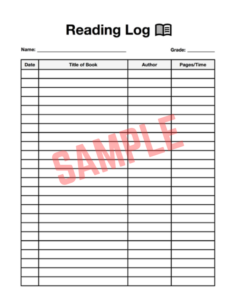
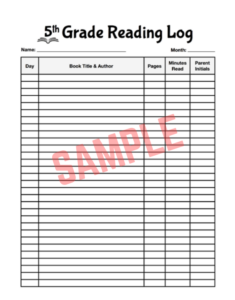
The best reading log template is one you’ll actually use consistently. Consider whether you prefer a digital format, like a spreadsheet or an app, or a physical notebook. Digital templates offer flexibility for editing and searching, while physical logs provide a tactile experience that some find more engaging. Key elements to look for in any template include:
- Date Started/Finished: To track reading duration.
- Book Title & Author: Essential bibliographic information.
- Pages Read/Time Spent: For quantitative tracking of progress.
- Summary Section: The core of the template, requiring thoughtful reflection.
- Rating/Notes Section: For personal opinions, quotes, or future reference.
Some templates might also include fields for genre, reading goal, or specific questions to prompt deeper thought. Experiment with different layouts to find what suits your style and helps you maintain your reading momentum.
Crafting Meaningful Summaries
The summary section is where the magic happens. Instead of just rewriting plot points, aim to synthesize the most crucial aspects of your reading. For fiction, consider the main characters’ arcs, significant conflicts, and overarching themes. For non-fiction, focus on the central arguments, key takeaways, and any new insights you’ve gained.
Keep summaries concise, typically 3-5 sentences for a week’s reading or a chapter. Use your own words to demonstrate true comprehension, avoiding direct quotes unless absolutely necessary. Think of it as explaining the book to someone who hasn’t read it, highlighting only the most impactful elements. This disciplined approach ensures you grasp the core message.
Integrating Reflection and Personal Notes
Beyond summaries, a valuable reading log encourages personal reflection. This could involve noting down how the book made you feel, questions it provoked, or connections you drew to other books or real-world events. These personal insights are what make your log uniquely yours and immensely useful for future self-discovery.
Use the notes section to record interesting vocabulary, memorable quotes, or even ideas for further research prompted by your reading. This transforms your log into a dynamic learning tool, not just a record keeper. Regularly reviewing these reflections can reveal evolving perspectives and deepen your appreciation for the texts you engage with.
Sample Weekly Reading Log Template With Summary
Below is a clear example of how a weekly reading log template with summary might be structured. This format is designed to be user-friendly, encouraging consistent tracking and thoughtful reflection without overwhelming the reader. It provides a simple yet effective way to document your reading journey and distill key insights from your literary adventures.
Weekly Reading Log

Week of: October 21 - October 27, 2024

--------------------------------------------------------------------------------------------------
| Date      | Book Title           | Author         | Pages Read / Time Spent | My Weekly Summary & Reflection                      |
--------------------------------------------------------------------------------------------------
| Mon, Oct 21 | "The Midnight Library" | Matt Haig      | Pages 1-50 (1 hr)       | Nora Seed explores a life where she's a glaciologist. I was struck by the idea of parallel lives and the choices we make. It made me think about my own regrets.   |
| Tue, Oct 22 | "The Midnight Library" | Matt Haig      | Pages 51-100 (1.5 hrs)  | Nora tries a life as a rock star. The book highlights how external success doesn't always bring internal happiness. This reinforced the idea that fulfillment comes from within. |
| Wed, Oct 23 | "Sapiens"            | Yuval Noah Harari | Pages 1-30 (45 mins)    | Started "Sapiens," focusing on the Cognitive Revolution. Harari's point about human ability to create shared fictions is fascinating. It's a powerful lens to view society.  |
| Thu, Oct 24 | "The Midnight Library" | Matt Haig      | Pages 101-150 (1 hr)    | Nora tries a simpler life. The recurring theme of finding joy in ordinary moments is becoming clearer. The library setting itself is a brilliant metaphor for possibilities. |
| Fri, Oct 25 | "Sapiens"            | Yuval Noah Harari | Pages 31-60 (1 hr)      | Continued with the Agricultural Revolution. The idea that agriculture "enslaved" humans is counter-intuitive but compelling. It makes me question standard historical narratives. |
| Sat, Oct 26 | "The Midnight Library" | Matt Haig      | Pages 151-200 (1.5 hrs) | Nora is still searching for her "perfect" life. The narrative skillfully shows that perfection is an illusion and true happiness is about acceptance. Very profound messaging. |
| Sun, Oct 27 | "The Midnight Library" | Matt Haig      | Pages 201-250 (1 hr)    | Almost done! Nora begins to find peace not in changing lives, but in understanding herself. The lessons about mental health and self-acceptance are really resonating with me. |
--------------------------------------------------------------------------------------------------

Total Books Read This Week: 0 (Still reading 2 books)
Total Pages Read This Week: 330
Overall Thoughts for the Week: I enjoyed alternating between fiction and non-fiction. "The Midnight Library" is highly emotionally resonant, while "Sapiens" is intellectually stimulating. I'm learning to appreciate the journey of reading more.
This sample provides a clear framework. Each entry captures essential data points like the date, book details, and the amount read. The “My Weekly Summary & Reflection” column is critical, allowing space for concise summaries of what was covered and personal thoughts or connections made during that reading session. This integrated approach ensures that mere tracking evolves into genuine comprehension and critical engagement with the text. Notice how the summary isn’t just a plot recap but includes personal insights and connections, making the record much richer.
Embracing a dedicated reading log can truly transform your relationship with books, making every reading session more productive and memorable. By consistently recording your progress and reflections, you cultivate a deeper understanding of the texts you engage with, enriching your mind and expanding your literary horizons. Start your journey today and unlock the full potential of your reading life. It’s a simple step that yields profound, long-lasting benefits for students, professionals, and avid readers alike, ensuring that the wisdom and wonder of every book stay with you long after the final page is turned.