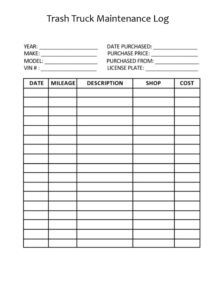
Managing a fleet of heavy equipment presents unique challenges, especially when it comes to keeping machinery operational and minimizing costly downtime. Imagine a critical piece of machinery failing unexpectedly, halting an entire project and incurring significant expenses. Without proper tracking, understanding the root cause or anticipating future issues becomes nearly impossible, leading to a reactive rather than proactive maintenance approach.
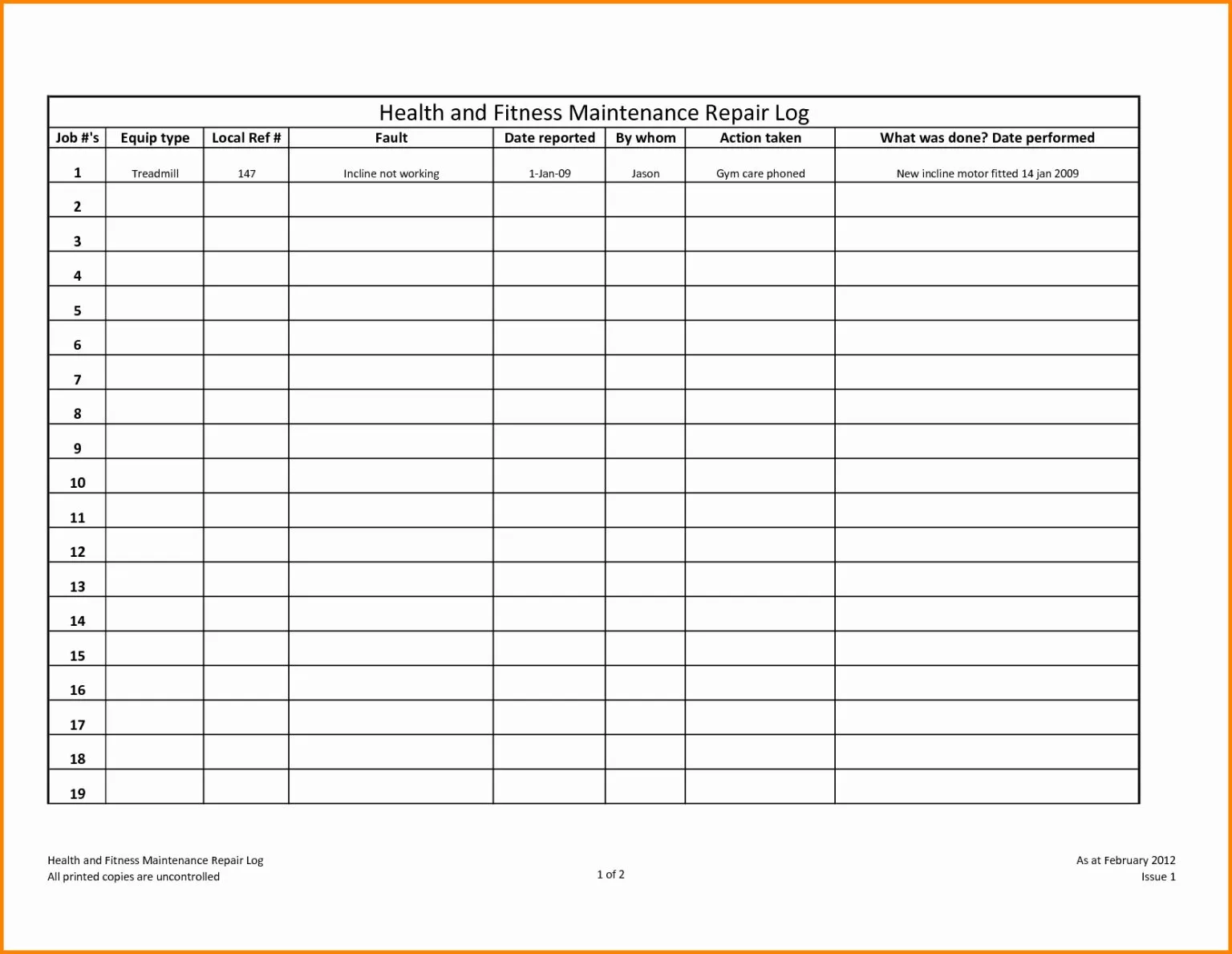
This is where a robust heavy equipment repair log template becomes an invaluable asset for any construction, agricultural, or industrial operation. By systematically documenting every repair and maintenance task, you gain critical insights into your equipment’s health, optimize service schedules, and extend the lifespan of your valuable assets. This article will explore the immense benefits of using such a template and guide you through its essential components to help you implement a more efficient maintenance strategy.
Key Components of an Effective Machinery Repair Log
An effective machinery repair log is much more than just a place to jot down notes; it’s a comprehensive tool for asset management and operational efficiency. Each section serves a specific purpose, contributing to a holistic view of your equipment’s service history. Implementing a standardized heavy equipment repair log template ensures consistency across your entire fleet, making data analysis much simpler.
One crucial aspect is tracking the type of equipment and its unique identification number. This prevents confusion and ensures that repair data is accurately linked to the correct machine. Details about the operator at the time of the issue can also provide valuable context, especially if operational practices contributed to the breakdown. Moreover, documenting the date and time of the repair request helps track response times and overall efficiency of your maintenance team.
The core of the log lies in the detailed description of the problem and the repair actions taken. This section should be as specific as possible, outlining observed symptoms, diagnostic steps, and the exact parts replaced or adjusted. Recording the technician who performed the work creates accountability and allows for easier follow-up if issues persist. Finally, including the cost of parts and labor provides vital financial data for budgeting and return on investment analysis. Such meticulous record-keeping through a dedicated template transforms reactive fixes into strategic insights, empowering better decision-making for your fleet.
- Equipment Identification: Model, serial number, asset ID.
- Date and Time: When the issue was reported and when the repair was completed.
- Problem Description: Clear, concise details of the malfunction or required service.
- Repair Actions Taken: Step-by-step description of the repair process.
- Parts Used: List of components replaced, including part numbers and cost.
- Technician Information: Name, signature, and contact details of the person performing the repair.
- Cost Breakdown: Labor hours, labor cost, total parts cost, and overall repair cost.
- Next Scheduled Maintenance: Suggestion for future service or inspection dates.
- Notes/Observations: Any additional relevant information, warnings, or findings.
Here is a simplified example of what a robust heavy equipment repair log template might look like:
| Date Reported | Equipment ID | Equipment Type | Problem Description | Repair Actions | Parts Used | Technician | Total Cost |
|---|---|---|---|---|---|---|---|
| 2023-10-26 | EXC-001 | Excavator | Hydraulic leak from boom cylinder | Replaced boom cylinder seal kit. Topped off hydraulic fluid. | Seal Kit (PN: SK-1234), Hydraulic Fluid (5 gal) | John Doe | $750.00 |
| 2023-11-05 | LDR-005 | Wheel Loader | Engine misfiring, loss of power | Replaced spark plugs, air filter. Cleaned fuel injectors. | Spark Plugs (4x), Air Filter (PN: AF-5678) | Jane Smith | $420.00 |
| 2023-11-12 | DOZ-003 | Dozer | Track tension loose, excessive wear | Adjusted track tension. Inspected idler wheel for damage. | N/A | John Doe | $150.00 |
Implementing a well-structured repair log empowers your team to move beyond reactive fixes and embrace a strategic approach to machinery upkeep. This proactive stance significantly reduces unexpected breakdowns and their associated costs. By consistently documenting repairs, you foster a culture of accountability and continuous improvement within your operations.
Adopting a comprehensive heavy equipment repair log template is a strategic investment that pays dividends in the long run. It not only streamlines maintenance processes but also provides a clear historical record, aiding in everything from warranty claims to future equipment purchasing decisions. Start leveraging the power of detailed repair logs today to enhance your operational efficiency and protect your valuable assets.