Maintaining a fleet of trash trucks is a monumental task, crucial for the smooth operation of any waste management service. These heavy-duty vehicles endure immense wear and tear daily, from constant stop-and-go driving to handling heavy loads and operating complex hydraulic systems. Overlooking routine upkeep can lead to costly breakdowns, safety hazards, and significant operational delays, directly impacting profitability and service reliability.
Implementing a robust maintenance strategy is non-negotiable for fleet managers and owners alike. A well-organized system ensures that every vehicle receives timely attention, preventing minor issues from escalating into major repairs. This is precisely where a dedicated trash truck maintenance log template becomes an invaluable tool, providing a systematic way to track, record, and manage all aspects of vehicle care.
This article will explore the critical importance of a comprehensive maintenance log, detail the key elements it should contain, and provide a clear example to guide your fleet management efforts. By the end, you’ll understand how a detailed log can revolutionize your fleet’s efficiency, safety, and longevity.
The Essential Role of Scheduled Maintenance for Waste Vehicles
Scheduled maintenance is the backbone of a high-performing waste management fleet. It transitions operations from a reactive, crisis-management approach to a proactive, preventative strategy. This shift not only saves money in the long run but also significantly enhances safety and operational consistency.
Ensuring Safety and Regulatory Compliance
Safety is paramount when operating large, complex machinery like trash trucks. Regular inspections and documented maintenance help identify potential hazards before they cause accidents, protecting drivers, crew, and the public. Compliance with Department of Transportation (DOT) regulations and other local safety standards is also a non-negotiable requirement.
A meticulously kept trash truck maintenance log template serves as verifiable proof of compliance during audits and inspections. It documents that brakes, tires, lights, and hydraulic systems are regularly checked and maintained according to industry standards. This record-keeping can be crucial in demonstrating due diligence in the event of an incident or inspection.
Maximizing Uptime and Operational Efficiency
Every hour a trash truck is off the road due to an unexpected breakdown translates directly into lost revenue and missed collections. Proactive maintenance, guided by a detailed log, significantly reduces the likelihood of these disruptive events. Issues are often caught and addressed during routine service before they cause complete vehicle failure.
By adhering to a predefined service schedule, vehicles operate more efficiently, consuming less fuel and performing optimally. This approach ensures routes are completed on time, customer satisfaction remains high, and the overall productivity of the waste collection operation is consistently maintained. Investing in preventive care ensures your fleet remains on the road, where it belongs.
Extending Vehicle Lifespan and Reducing Costs
Trash trucks represent a substantial capital investment, and extending their operational life directly impacts a company’s bottom line. Consistent, documented maintenance, facilitated by an effective log, preserves vehicle integrity and components. This prevents accelerated wear and tear that can shorten a truck’s service life.
Furthermore, a well-managed maintenance program helps control operating costs. Addressing small problems early is always less expensive than repairing major failures. It also provides valuable data for budgeting future repairs, optimizing parts inventory, and making informed decisions about vehicle replacement cycles.
Key Components of an Effective Trash Truck Maintenance Log Template
A truly effective maintenance log isn’t just a basic checklist; it’s a comprehensive document that captures all relevant data about a vehicle’s health and service history. This level of detail empowers fleet managers to make informed decisions and maintain peak performance.
Daily Pre-Trip and Post-Trip Inspections
Drivers are the first line of defense in identifying potential issues. A dedicated section in the trash truck maintenance log template for daily inspections is vital. This ensures a consistent review of critical safety and operational components before and after each shift.
Typical checks include tire pressure and condition, brake functionality, fluid levels (oil, coolant, hydraulic fluid), lights and signals, mirrors, wipers, and the condition of the compaction mechanism. Any defects or concerns noted by the driver should be clearly recorded, triggering prompt follow-up by maintenance personnel. This proactive reporting prevents minor issues from escalating.
Scheduled Service and Repair Tracking
This core section of the log template details all planned maintenance activities and any unscheduled repairs. It should include fields for recording the date of service, current odometer reading, type of service performed (e.g., oil change, brake inspection, hydraulic system flush), and the technician’s name.
Crucially, it must also track specific parts replaced, their part numbers, and associated labor hours. For repairs, a description of the issue, diagnostic findings, and the resolution provided are essential. This creates a transparent and auditable history of every component and service action for the truck.
Comprehensive Vehicle Information and History
Beyond maintenance events, a robust log needs a dedicated section for overall vehicle identification and ongoing status. This provides a quick reference for vital details and tracks its operational life. Every piece of equipment in your fleet benefits from this centralized data.
This includes the Vehicle Identification Number (VIN), make, model, year of manufacture, and initial acquisition date. It should also track major component replacements (e.g., engine overhaul, transmission replacement) and their respective warranties. Keeping this master record up-to-date allows for better asset management and contributes to higher resale value.
Sample Trash Truck Maintenance Log Template
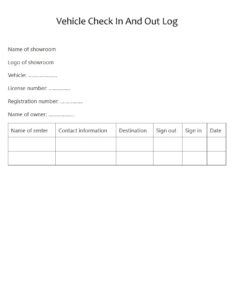
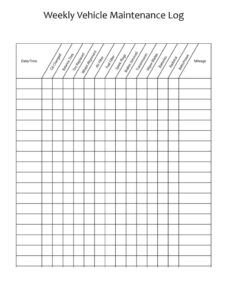
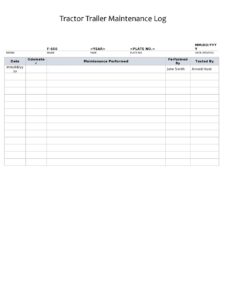
A structured trash truck maintenance log template simplifies record-keeping and ensures no critical details are missed. Below is an example of what a comprehensive log might include, designed for clarity and ease of use. This format allows for a quick overview of a vehicle’s status and detailed historical data when needed.
Vehicle Information
- Vehicle ID/Unit Number: [e.g., TRK-001]
- Make/Model: [e.g., Mack LEU613]
- Year: [e.g., 2018]
- VIN: [e.g., 1M2XU3Y4Z5A6B7C8D]
- License Plate: [e.g., RCVR-123]
- Date Acquired: [MM/DD/YYYY]
- Current Odometer: [Miles]
Daily Pre-Trip Inspection Checklist (Driver Sign-off Required)
| Date | Odometer | Item | Status (OK/Needs Attention) | Comments | Driver Initials |
|---|---|---|---|---|---|
| [MM/DD/YYYY] | [Miles] | Tires & Wheels | |||
| [MM/DD/YYYY] | [Miles] | Brakes (Service & Parking) | |||
| [MM/DD/YYYY] | [Miles] | Lights & Reflectors | |||
| [MM/DD/YYYY] | [Miles] | Fluids (Oil, Coolant, Hydraulic) | |||
| [MM/DD/YYYY] | [Miles] | Steering & Suspension | |||
| [MM/DD/YYYY] | [Miles] | Wipers & Washers | |||
| [MM/DD/YYYY] | [Miles] | Horn | |||
| [MM/DD/YYYY] | [Miles] | Compaction Mechanism | |||
| [MM/DD/YYYY] | [Miles] | Rear Camera/Sensors | |||
| [MM/DD/YYYY] | [Miles] | Safety Equipment (Fire Extinguisher, Reflective Triangles) |
Scheduled Service & Repair Log
| Date | Odometer | Service/Repair Description | Parts Used | Labor Hours | Technician | Next Service Due (Date/Miles) |
|---|---|---|---|---|---|---|
| [MM/DD/YYYY] | [Miles] | [e.g., Engine Oil & Filter Change] | [e.g., 15W-40 Oil (40L), Oil Filter #ABC123] | [2.5] | [John D.] | [MM/DD/YYYY or +15,000 miles] |
| [MM/DD/YYYY] | [Miles] | [e.g., Brake System Inspection & Pad Replacement (Front)] | [e.g., Brake Pads #XYZ789 (2 sets)] | [4.0] | [Sarah M.] | [MM/DD/YYYY or +50,000 miles] |
| [MM/DD/YYYY] | [Miles] | [e.g., Hydraulic System Leak Repair] | [e.g., Hydraulic Hose #PQR456, Hydraulic Fluid (5L)] | [3.0] | [John D.] | [N/A] |
Effective fleet management hinges on diligent record-keeping, and a well-implemented trash truck maintenance log template is your best asset. It provides the structure needed to consistently track vehicle health, ensure safety, and comply with all necessary regulations. By embracing a proactive maintenance schedule, you safeguard your investments and keep your operations running smoothly.
Don’t wait for a breakdown to realize the value of organized records. Implementing a robust logging system today will reduce downtime, extend the life of your valuable assets, and ultimately enhance the efficiency and profitability of your entire waste management fleet. Start leveraging the power of detailed maintenance logs to drive your success.