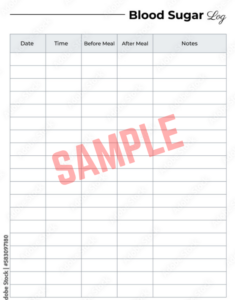
Living with type two diabetes requires consistent management and a proactive approach to your health. Keeping track of daily readings, meals, and activities is a cornerstone of effective diabetes care, offering invaluable insights into how your body responds to various factors. A well-structured type two diabetes daily log template can transform scattered notes into a powerful tool for understanding your condition.
This comprehensive record-keeping helps you and your healthcare team make informed decisions, adjust treatments, and ultimately lead to better health outcomes. It’s more than just writing down numbers; it’s about observing patterns and taking charge of your well-being. Throughout this article, we’ll explore the importance of daily logging, what essential information to include, and provide an example of an effective type two diabetes daily log template.
Whether you’re newly diagnosed or have been managing diabetes for years, adopting a consistent logging practice can significantly enhance your control and peace of mind. Let’s dive into how a simple daily log can become your greatest ally in navigating type two diabetes.
The Importance of Daily Tracking for Type Two Diabetes Management
Consistent daily tracking is a vital component of successful type two diabetes management. It offers a clear, objective snapshot of your health trends, helping you connect the dots between your daily habits and your blood glucose levels. This granular data empowers both you and your medical team to fine-tune your treatment plan for optimal results.
Many individuals find that without a systematic way to record their data, patterns go unnoticed, making it harder to identify triggers or effective strategies. Studies show that patients who actively monitor and log their blood glucose levels tend to have better glycemic control and fewer diabetes-related complications. This consistent engagement with your health data fosters a deeper understanding of your body’s unique responses.
Understanding Your Body’s Responses
Your blood sugar levels are influenced by a multitude of factors, including diet, exercise, medication, stress, and even sleep. A daily log helps you pinpoint specific foods that spike your glucose, identify the benefits of certain physical activities, and recognize how medication timing impacts your readings.
By recording these details regularly, you start to see cause-and-effect relationships that might otherwise remain hidden. For instance, you might notice that a particular snack consistently leads to a higher morning reading, or that a 30-minute walk significantly lowers your post-meal glucose. This personal data is far more insightful than generic advice.
Informing Healthcare Decisions
When you visit your doctor or diabetes educator, a detailed log provides concrete evidence of your daily experiences, far beyond what you might recall from memory. This comprehensive data allows your healthcare provider to assess the effectiveness of your current treatment plan and make precise adjustments to medications, insulin doses, or dietary recommendations.
Instead of guessing, your doctor can rely on accurate data to guide their decisions, leading to more personalized and effective care. This collaborative approach, supported by your diligent tracking, is essential for proactive diabetes management and preventing complications.
Empowering Self-Management
Taking an active role in managing type two diabetes can feel overwhelming at times, but a daily log empowers you with knowledge and control. Seeing your progress, understanding what works, and identifying areas for improvement can be incredibly motivating.
This self-awareness fosters confidence and encourages you to take ownership of your health journey. It transforms diabetes management from a daunting task into an achievable daily routine, promoting better habits and a greater sense of well-being.
What to Include in Your Diabetes Daily Log
An effective diabetes daily log template should capture all the crucial information needed to understand your blood glucose patterns and overall health. While specific needs may vary, several key elements are universally beneficial for consistent tracking.
The goal is to create a comprehensive picture of your day, allowing you to correlate different factors with your blood sugar levels. Think of it as building a story about your body’s daily performance, one entry at a time. The more consistently you fill it out, the richer and more useful your data becomes.
Blood Glucose Readings
This is arguably the most critical component of any diabetes log. You should record your blood glucose levels at various times throughout the day, as recommended by your doctor. Common times include:
- Fasting (before breakfast)
- Before meals (breakfast, lunch, dinner)
- One or two hours after meals (postprandial)
- Before bedtime
- When you feel symptoms of high or low blood sugar
Recording the exact time of each reading is crucial, as it helps identify trends and the impact of meals or activities.
Medication and Insulin Doses
Accurately logging all medications, including oral medications and insulin, is essential. For each entry, include:
- The name of the medication
- The dosage (e.g., 500 mg, 10 units)
- The time it was taken
If you take insulin, note the type of insulin (e.g., rapid-acting, long-acting) and the specific dose administered. This information helps evaluate medication effectiveness and adherence.
Food Intake and Physical Activity
What you eat and how active you are significantly impact your blood sugar. For food intake, consider noting:
- Brief description of meals and snacks
- Estimated carbohydrate count (if you track carbs)
- Meal timing
For physical activity, record:
- Type of activity (e.g., walking, cycling, gardening)
- Duration
- Intensity (e.g., light, moderate, vigorous)
Connecting these entries to your glucose readings is key to identifying dietary and exercise impacts.
Other Relevant Observations
Beyond the core data, including other observations can provide valuable context. These might include:
- Stress levels
- Sleep duration and quality
- Symptoms (e.g., fatigue, thirst, blurry vision, numbness)
- Illnesses or infections
- Any unusual events that might affect blood sugar
Even seemingly minor details can sometimes offer important clues when reviewing your log with your healthcare provider.
Sample Type Two Diabetes Daily Log Template Format
Creating a functional type two diabetes daily log template doesn’t have to be complicated. The best template is one you can use consistently and that captures the essential information clearly. Below is a description of a user-friendly format you can adapt for your personal use, whether on paper or digitally. This layout ensures you record all necessary details to monitor your diabetes effectively.
The template is designed to be straightforward, allowing for quick entries throughout your day. It prioritizes readability and ease of understanding, which is crucial for maintaining a long-term logging habit. Remember, the goal is clarity and consistency, providing a comprehensive overview of your daily management.
Template Structure and Fields
A good template will typically have columns or dedicated sections for each piece of information. Here’s a breakdown of the key fields:
- Date: (e.g., MM/DD/YYYY) – Essential for chronological tracking.
- Time: (e.g., HH:MM AM/PM) – Record the exact time for readings, meals, and medications.
- Blood Glucose Reading: (e.g., mg/dL or mmol/L) – Your measured blood sugar level.
- Meal/Snack: – Briefly describe what you ate and estimate carbohydrates if possible.
- Medication/Insulin: – List the drug name, dosage, and time taken.
- Physical Activity: – Note type, duration, and intensity of exercise.
- Notes/Symptoms: – Any other observations, mood, symptoms, or unusual events.
Example Daily Log Entry
Here’s how a filled-out entry using a simple type two diabetes daily log template might look for a single day:
Date: 2024-07-22
Time: 07:00 AM
Blood Glucose: 165 mg/dL
Meal/Snack: None (Fasting)
Medication/Insulin: Metformin 500mg (1 tablet)
Physical Activity: None
Notes/Symptoms: Woke up feeling a bit sluggish. Good night’s sleep (7 hours).
Time: 07:30 AM
Blood Glucose: N/A
Meal/Snack: Oatmeal (1/2 cup), 1/4 cup berries, black coffee (Est. 40g carbs)
Medication/Insulin: N/A
Physical Activity: None
Notes/Symptoms: Enjoyed breakfast.
Time: 09:30 AM
Blood Glucose: 198 mg/dL
Meal/Snack: N/A
Medication/Insulin: N/A
Physical Activity: 30-minute brisk walk
Notes/Symptoms: Felt good during walk.
Time: 12:30 PM
Blood Glucose: 125 mg/dL
Meal/Snack: Turkey and whole-wheat sandwich, small apple (Est. 35g carbs)
Medication/Insulin: N/A
Physical Activity: None
Notes/Symptoms: Energy levels stable.
Time: 02:30 PM
Blood Glucose: 150 mg/dL
Meal/Snack: N/A
Medication/Insulin: N/A
Physical Activity: None
Notes/Symptoms: Slight afternoon slump, but otherwise fine.
Time: 06:00 PM
Blood Glucose: 140 mg/dL
Meal/Snack: Grilled chicken, mixed green salad with olive oil dressing (Est. 15g carbs)
Medication/Insulin: N/A
Physical Activity: None
Notes/Symptoms: Relaxed evening.
Time: 08:00 PM
Blood Glucose: 135 mg/dL
Meal/Snack: N/A
Medication/Insulin: N/A
Physical Activity: 20-minute light stretching
Notes/Symptoms: Feeling calm before bed.
Time: 10:00 PM
Blood Glucose: 120 mg/dL
Meal/Snack: N/A
Medication/Insulin: Metformin 500mg (1 tablet)
Physical Activity: None
Notes/Symptoms: Ready for sleep.
Adopting a consistent logging habit using a well-designed type two diabetes daily log template is one of the most proactive steps you can take for your health. This simple yet powerful tool provides clarity, empowers better decision-making, and fosters a deeper understanding of how your body works in response to daily choices. It transforms the abstract challenge of diabetes management into a concrete, actionable plan.
Begin your logging journey today and experience the benefits of informed self-care. Regular tracking doesn’t just record your past; it helps shape a healthier future. Consistent logging is your personal health compass, guiding you toward optimal wellness and better control over your type two diabetes.