Effectively managing employee time off is a critical task for any business, regardless of size. Mismanagement of vacation days, sick leave, or personal time can lead to scheduling chaos, payroll errors, and even legal complications. That’s why having a reliable system in place is not just a convenience, but a necessity, and a well-designed employee time off log template can be your most valuable tool.
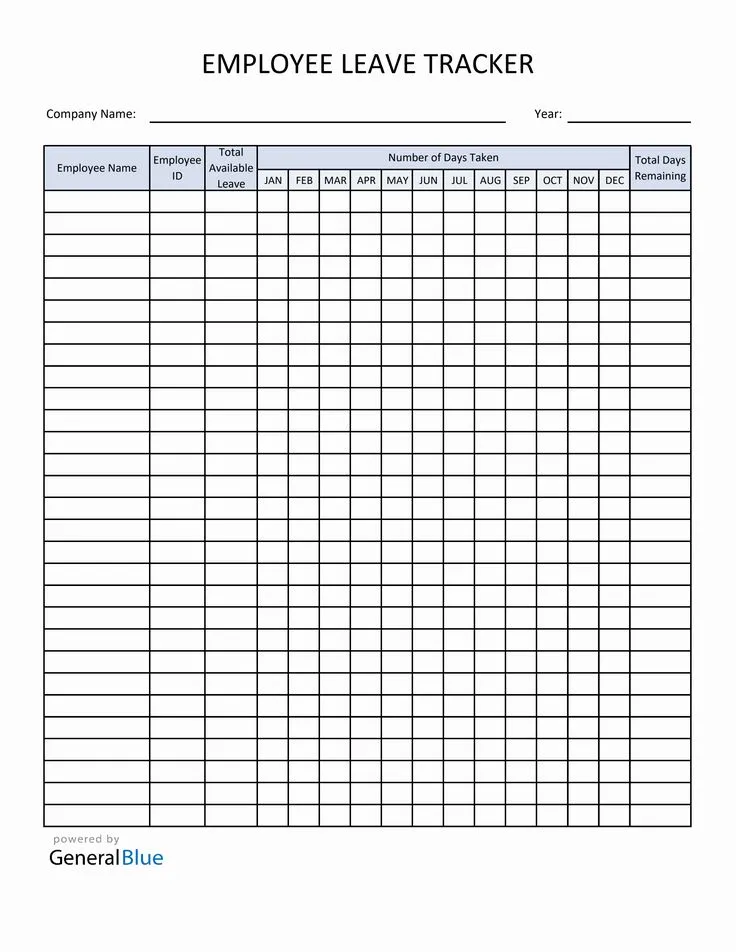
This comprehensive guide will explore the immense benefits of using such a template, detailing its essential components and offering insights into best practices for implementation. By the end, you’ll understand how a simple, structured log can transform your leave management process, ensuring fairness, accuracy, and operational efficiency.
The Essential Role of an Employee Time Off Log Template
An employee time off log template serves as a centralized record-keeping system for all types of employee absences. From planned vacations to unexpected sick days, every instance of an employee being away from work is documented. This meticulous tracking is fundamental for maintaining accurate payroll, ensuring compliance with labor laws, and facilitating effective workforce planning.
Without a standardized process, businesses risk discrepancies in leave balances, potential favoritism in approvals, and difficulty in scheduling coverage. A clear, accessible log promotes transparency and consistency across the organization. It empowers both employees and managers with real-time information about available leave, fostering a more organized and predictable work environment.
Furthermore, a robust system helps prevent common pitfalls associated with manual or ad-hoc tracking methods. It reduces the likelihood of human error and provides an indisputable record in case of disputes. Think of it as the backbone of your organization’s leave management strategy, ensuring every day off is accounted for properly.
Key Features to Look for in Your Employee Leave Tracking Form
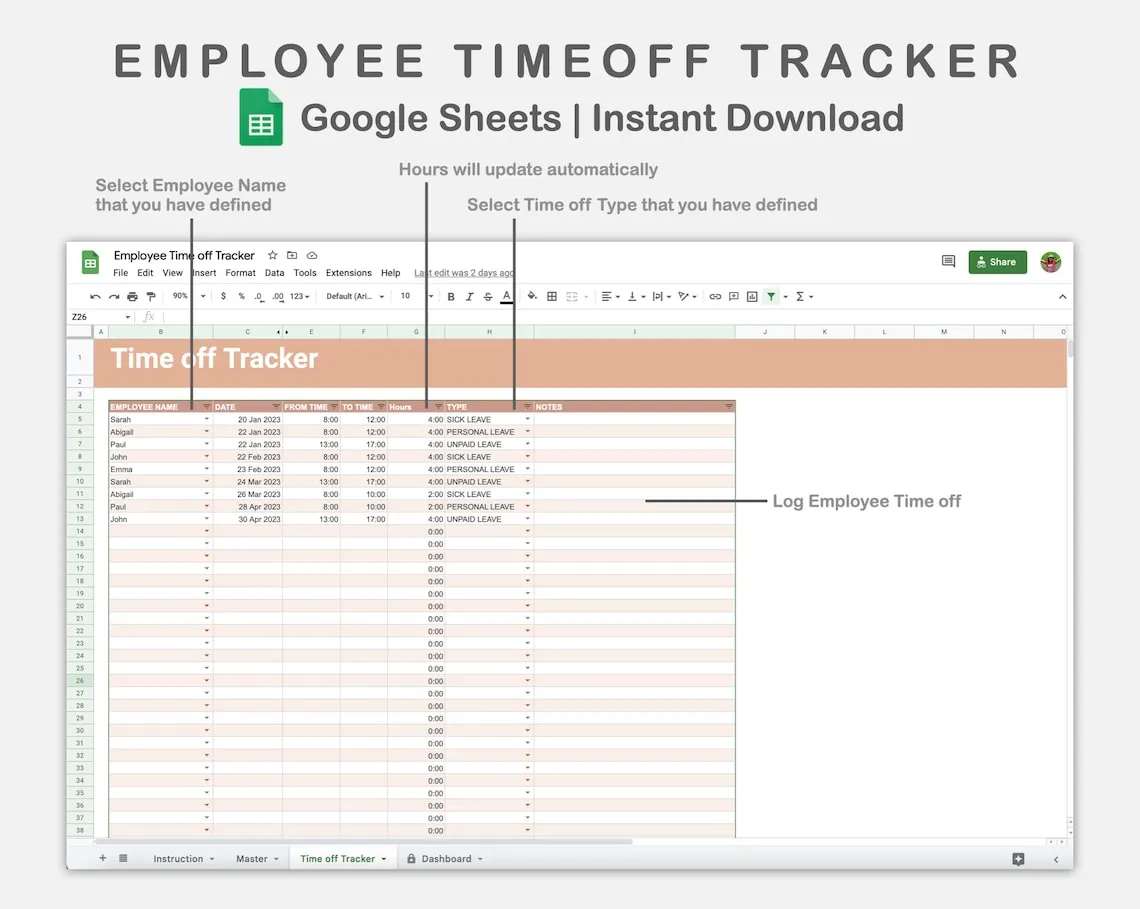
A truly effective employee time off log template goes beyond just recording dates. It should capture all pertinent information needed to manage absences comprehensively. Consider these essential elements when choosing or creating your form. These features ensure thorough documentation and easy access to critical data.
Here are the vital components to include:
- Employee Information: Full name, department, employee ID, and contact details. This ensures the correct individual’s record is updated.
- Request Date: The date the leave request was submitted by the employee. This helps track response times and adherence to company policies.
- Type of Leave: Clearly specify the reason for absence (e.g., vacation, sick leave, personal day, bereavement, jury duty, FMLA). Categorizing leave is important for policy application and accrual tracking.
- Dates Requested: The specific start and end dates of the requested time off. This provides a clear duration of the absence.
- Total Hours/Days Requested: A calculated sum of the time off in hours or days. This is crucial for payroll and balance adjustments.
- Approval Status: A clear indication of whether the request was Approved, Denied, or Pending. This provides immediate clarity for all parties involved.
- Manager Signature/Approval Date: A space for the manager’s sign-off and the date of approval. This formalizes the decision and ensures accountability.
- Remaining Balance: A field to update the employee’s available leave balance after the request is processed. This is vital for ongoing tracking and employee awareness.
- Comments/Notes: An optional section for any additional relevant information or special circumstances. This allows for flexibility and context.
Creating a Sample Employee Time Off Log Template
To illustrate these features, here’s a simple example of how an employee time off log template might be structured. This layout offers a clear, at-a-glance overview of each leave request. Implementing such a standardized format significantly improves clarity and efficiency in record keeping.
| Employee Name | Employee ID | Request Date | Type of Leave | Start Date | End Date | Total Days/Hours | Status | Approved By | Remaining PTO Balance |
|---|---|---|---|---|---|---|---|---|---|
| Jane Doe | EMP001 | 2023-10-20 | Vacation | 2024-01-15 | 2024-01-19 | 5 Days | Approved | John Smith | 10 Days |
| Mark Johnson | EMP002 | 2023-11-05 | Sick Leave | 2024-02-01 | 2024-02-01 | 8 Hours | Approved | Sarah Lee | 40 Hours |
| Emily White | EMP003 | 2023-12-10 | Personal Day | 2024-03-10 | 2024-03-10 | 8 Hours | Pending | 16 Hours |
How to Effectively Implement an Employee Absence Tracker
Once you have selected or created your ideal employee time off log template, the next step is successful implementation. The best template is only as good as the process surrounding it. Establishing clear guidelines and communicating them effectively will ensure smooth adoption and maximize the benefits of your new system. Consistency is key to making any new process work.
Begin by clearly outlining your company’s time off policies, including accrual rates, request procedures, and approval timelines. Share this information with all employees and managers, perhaps through a company-wide memo or a dedicated training session. Ensuring everyone understands the rules upfront minimizes confusion and streamlines the request process. Consider making the template easily accessible, whether through a shared drive, HR portal, or a physical binder in the office.
Regularly review and update employee leave balances to maintain accuracy. Encourage employees to check their available time off before submitting requests. Managers should be trained on how to properly fill out and approve the forms, emphasizing the importance of timely responses. Adopting a digital approach, even with a simple spreadsheet template, can significantly improve efficiency and accessibility compared to paper-based methods, allowing for easier record retrieval and analysis.
Beyond the Basic: Advanced Considerations for Time Off Management
While a basic employee time off log template provides an excellent foundation, growing organizations might eventually consider more advanced tools. As your team expands and leave policies become more intricate, automated systems can offer additional advantages. These systems often integrate with payroll and HR software, streamlining the entire leave management lifecycle.
However, even with advanced software, the principles learned from using a manual template remain vital. Understanding how to track leave, categorize absences, and maintain accurate balances will make the transition to digital solutions much smoother. A solid template helps you define your needs before investing in costly software. It also acts as a reliable backup or supplementary tool for specific scenarios.
Ultimately, a robust time off tracking system, whether template-based or software-driven, contributes significantly to employee satisfaction and overall operational health. It minimizes administrative burden, fosters a fair and transparent workplace, and allows management to make informed staffing decisions. Investing time in developing or choosing the right solution will yield substantial long-term benefits for your business.
Embracing an organized approach to managing employee leave is an investment that pays dividends in productivity, morale, and compliance. Utilizing a well-structured employee time off log template empowers your business with the clarity and efficiency needed to navigate the complexities of workforce absence effectively. Take the proactive step to streamline your processes, ensuring every day off is managed with precision and fairness. This simple tool will undoubtedly become an indispensable asset in your human resources toolkit.
