Living with diabetes requires diligent management, and a key component of this is consistent blood sugar monitoring. Understanding how your body reacts to food, exercise, medication, and stress is vital for maintaining optimal health and preventing complications. A well-structured daily blood sugar log template serves as an indispensable tool in this ongoing journey.
This comprehensive guide will explore the profound benefits of tracking your blood glucose levels regularly. We will delve into the essential elements that make an effective log, provide a clear sample template, and empower you to take a more active role in your diabetes care. Utilizing a daily log can transform abstract numbers into actionable insights, improving your quality of life.
Why Consistent Blood Glucose Monitoring Matters for Your Health
Regularly checking and recording your blood glucose levels is more than just a routine; it’s a powerful strategy for effective diabetes management. This consistent monitoring provides a snapshot of your body’s metabolic activity throughout the day, revealing patterns that might otherwise go unnoticed. It helps you and your healthcare team make informed decisions about your treatment plan.
Understanding Your Body’s Responses
Each blood sugar reading offers valuable information about how your body is functioning. By logging these numbers, you begin to see trends related to your diet, physical activity, and medication schedule. For instance, you might notice specific foods consistently cause spikes, or that morning exercise helps stabilize your levels.
This data allows you to connect cause and effect, leading to a deeper understanding of your unique physiology. It empowers you to adjust your daily habits proactively. Furthermore, understanding these responses can significantly reduce anxiety related to managing a chronic condition.
Empowering Better Diabetes Management Decisions
A detailed blood sugar log provides the objective data needed to make crucial adjustments to your diabetes care. Your doctor can use this information to fine-tune medication dosages, including insulin. It also highlights areas where dietary changes or increased physical activity could yield better results.
Consistent tracking has been shown to improve A1C levels, a key indicator of long-term blood sugar control. Better control minimizes the risk of serious complications such as heart disease, kidney damage, and nerve issues. This proactive approach to health management is truly life-changing for many individuals.
Communicating Effectively with Your Healthcare Team
When you visit your doctor, a well-maintained blood glucose log becomes your most valuable communication tool. Instead of relying on memory, you can present clear, organized data that illustrates your daily blood sugar fluctuations. This detailed record helps your healthcare provider assess the effectiveness of your current treatment plan.
It allows for a more productive conversation, focusing on specific patterns and challenges you face. A comprehensive log aids in:
- Identifying recurring high or low blood sugar episodes.
- Evaluating the impact of recent lifestyle changes.
- Adjusting medication or insulin regimens accurately.
- Detecting underlying issues that might be affecting glucose control.
This shared understanding leads to more personalized and effective care.
Essential Elements of an Effective Daily Blood Sugar Log Template
Creating or choosing the right format for tracking your glucose levels is crucial for successful diabetes management. An effective **daily blood sugar log template** is simple to use yet comprehensive enough to capture all necessary information. It should be tailored to your specific needs and easy to maintain consistently.
Key Information to Record Daily
The foundation of any good blood sugar log is the consistent recording of core data points. These details provide a clear picture of your glucose levels throughout the day. Without this essential information, it becomes challenging to identify patterns or make informed decisions.
A robust log should always include:
- Date and Time: Essential for chronological tracking and identifying specific events.
- Blood Glucose Reading: The actual number measured (e.g., mg/dL or mmol/L).
- Meal Status: Whether the reading was taken before or after a meal (e.g., fasting, pre-breakfast, 2 hours post-lunch).
- Medication/Insulin Dosage: Record type and amount taken, if applicable.
- Carbohydrate Count: Estimate or exact count for meals, especially important for insulin users.
These data points allow for a granular analysis of your daily blood sugar trends.
Tracking Lifestyle Factors and Trends
Beyond just numbers, an effective log incorporates notes on lifestyle factors that influence blood sugar. Recognizing these connections is vital for holistic diabetes management. This contextual information helps explain why certain readings might be high or low.
Consider adding columns or sections for:
- Food Intake: Brief notes on what you ate (e.g., “salad with chicken,” “pizza”).
- Physical Activity: Type, duration, and intensity (e.g., “30 min brisk walk,” “light yoga”).
- Stress Levels: A simple rating (e.g., “high,” “moderate,” “low”) or brief description.
- Illness or Sickness: Any symptoms like a cold, fever, or infection.
- Other Notes: Anything unusual, like changes in sleep, feeling unwell, or missed medication.
These details often provide the “why” behind your blood sugar fluctuations.
Choosing the Right Format for Your Needs
The best daily blood sugar log template is one you will actually use consistently. Options range from simple paper logbooks to sophisticated digital apps. Each has its advantages, and the ideal choice depends on your personal preferences and lifestyle.
Paper logs offer a tangible record and require no battery or internet. Digital apps, on the other hand, often provide automated charting, reminders, and easy sharing with healthcare providers. Many people find a hybrid approach, using an app for daily entries and periodically printing a summary, to be most effective.
Sample Daily Blood Sugar Log Template Format
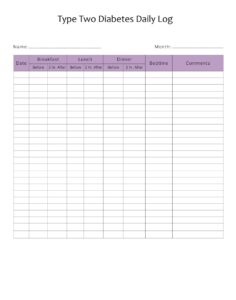
To give you a clearer idea, here is a structured format for a simple yet effective daily blood sugar log template. You can recreate this in a notebook, a spreadsheet, or by finding a printable version online. This layout ensures you capture essential information crucial for managing your diabetes.
Here’s a common layout for tracking your blood glucose daily:
| Date | Time | Event (e.g., Fasting, Pre-Meal, 2 Hr Post-Meal) | Blood Sugar Reading (mg/dL or mmol/L) | Insulin/Medication (Type & Dose) | Food Notes (Optional) | Activity/Other Notes (Optional) |
|---|---|---|---|---|---|---|
| MM/DD/YYYY | 7:00 AM | Fasting | 120 | Metformin 500mg | Slight headache | |
| MM/DD/YYYY | 7:30 AM | Pre-Breakfast | 118 | Oatmeal, berries | ||
| MM/DD/YYYY | 9:30 AM | 2 Hr Post-Breakfast | 165 | |||
| MM/DD/YYYY | 12:00 PM | Pre-Lunch | 130 | |||
| MM/DD/YYYY | 2:00 PM | 2 Hr Post-Lunch | 145 | 30 min brisk walk | ||
| MM/DD/YYYY | 6:00 PM | Pre-Dinner | 110 | |||
| MM/DD/YYYY | 8:00 PM | 2 Hr Post-Dinner | 155 | |||
| MM/DD/YYYY | 10:00 PM | Before Bed | 125 | |||
| MM/DD/YYYY | Daily Average: | 133 |
This table provides a comprehensive snapshot of your glucose levels and related factors throughout a typical day. Remember to customize it with any additional columns that are relevant to your personal management plan, such as carbohydrate intake or specific symptoms.
The consistent use of a daily blood sugar log template is one of the most proactive steps you can take in managing your diabetes effectively. It transforms passive monitoring into an active learning process, empowering you with the knowledge to make healthier choices and communicate more effectively with your healthcare providers. This dedication to tracking truly pays off in the long run.
By regularly recording your blood glucose levels, you gain invaluable insights into your body’s unique responses to diet, exercise, and medication. Start utilizing a reliable blood sugar log template today to unlock a deeper understanding of your health and embark on a path to better diabetes management.