Planning a trip, whether it’s a weekend getaway or a month-long adventure, can sometimes feel overwhelming. There are flights to book, accommodations to secure, activities to research, and of course, money to manage. Without a clear plan, you might find yourself scrambling, missing out on experiences, or worse, overspending your hard-earned cash. That’s where a little pre-journey organization comes in handy.
Imagine embarking on your trip feeling completely prepared, knowing exactly what your days will look like and how much everything will cost. This isn’t just a pipe dream for meticulous planners; it’s an achievable reality for anyone willing to invest a bit of time upfront. A well-structured approach ensures peace of mind and allows you to fully immerse yourself in the joy of discovery, rather than being bogged down by logistical worries.
This article will guide you through the process of creating your own robust travel itinerary and budget template, designed to make your next journey smoother, more enjoyable, and perfectly within your financial comfort zone. It’s about transforming potential chaos into effortless adventure, giving you the freedom to explore with confidence.
Unlocking Seamless Adventures: Why Every Traveler Needs a Solid Plan
Every great journey starts with a great plan. While spontaneity has its charm, a comprehensive framework, especially for longer or more complex trips, is invaluable. Think of your travel plan not as a rigid schedule, but as a flexible blueprint that guides your exploration while safeguarding your resources. It’s about setting intentions and making informed choices before you even pack your first suitcase, leading to a much more satisfying experience overall.
An itinerary lays out the “what, when, and where” of your trip. It covers your daily activities, travel between locations, planned excursions, and even meal ideas. Having this roadmap helps you maximize your time at each destination, ensuring you hit all your must-see spots and experience the local culture without feeling rushed or lost. It’s especially useful when traveling with others, as everyone can be on the same page regarding the day’s plans.
Equally critical, if not more so, is the budget component. This is where you allocate funds for every aspect of your trip, from the moment you leave your home until you return. Without a budget, it’s all too easy for expenses to spiral out of control, leaving you with an unexpected credit card bill or having to cut your trip short. A clear financial plan helps you prioritize spending, identify areas where you can save, and ensure you have enough money for emergencies or those unexpected delightful treats.
Building Your Itinerary: Step-by-Step
- Research and Dream: Start by brainstorming destinations, activities, and experiences that excite you. Gather inspiration from blogs, travel guides, and social media.
- Set Your Dates and Duration: Decide on your travel dates and how long you plan to be away. This forms the backbone of your timeline.
- Choose Your Destinations: Select your main destinations and the order in which you’ll visit them, considering travel time between each.
- Map Out Daily Activities: For each day, list potential activities, tours, sights, and even meal ideas. Don’t overschedule; leave room for flexibility.
- Plan Transportation: Detail how you’ll get from place to place, including flights, trains, buses, car rentals, and local transit.
Mastering Your Budget: Essential Categories
- Flights and Transportation: This includes international flights, domestic flights, trains, long-distance buses, and car rentals. Don’t forget airport transfers.
- Accommodation: Your lodging expenses, whether hotels, hostels, Airbnb, or camping fees.
- Food and Drink: Estimate daily costs for meals, snacks, coffee, and drinks. This can vary greatly depending on your eating habits and the destination.
- Activities and Entertainment: Entrance fees for attractions, tours, shows, and any specific experiences you plan to book.
- Local Transportation: Daily costs for taxis, ride-shares, public transport passes, or fuel if driving.
- Miscellaneous and Emergency Fund: Always allocate a percentage for unexpected costs, souvenirs, travel insurance, visa fees, and personal shopping. This buffer is crucial for peace of mind.
The beauty of a combined travel itinerary and budget template is how these two elements intertwine. Your itinerary choices directly impact your budget, and conversely, your budget dictates what your itinerary can realistically include. For instance, opting for a luxury hotel might mean cutting back on daily excursions, while choosing budget-friendly hostels could free up funds for more unique experiences. It’s a delicate balance that, once mastered, becomes a powerful tool. By clearly mapping out both components, you gain control and clarity over your entire journey, transforming abstract ideas into concrete, actionable steps.
Practical Tips for Using Your Template Effectively
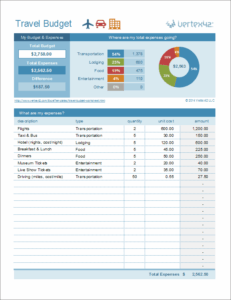
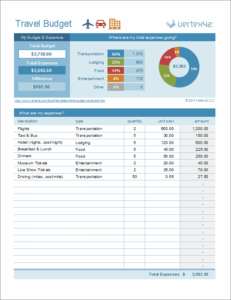
Once you’ve got the bones of your travel itinerary and budget template in place, it’s time to think about how to make it a living, breathing document that evolves with your trip planning. Technology offers incredible tools for this. You can use spreadsheet software like Google Sheets or Microsoft Excel to create dynamic templates that automatically calculate totals, making it easy to see where your money is going and how your itinerary affects it. There are also numerous travel planning apps and websites that can help you organize everything in one place, often with collaborative features if you’re traveling with companions.
The key to a successful template is flexibility. While a detailed plan is excellent, travel can be unpredictable. Flights get delayed, weather changes, and sometimes you simply discover a hidden gem that wasn’t on your original list. Build in some wiggle room—don’t plan every single minute. Allow for spontaneous detours, lazy mornings, or unexpected encounters. Your budget should also reflect this, with an emergency fund or a “flexibility” category to absorb minor changes without derailing your entire financial plan. Regularly review and update your template as your trip approaches and even while you’re on the road.
Remember, this isn’t about rigid adherence; it’s about empowerment. A carefully constructed travel itinerary and budget template removes much of the stress associated with planning, allowing you to focus on the excitement and adventure that awaits. It helps you make the most of your time and money, ensuring that your precious travel memories are filled with joy, not financial worries or missed opportunities. Embrace the planning process, and watch as your dream trip seamlessly comes to life.
Having a robust travel itinerary and budget template at your fingertips is truly a game-changer for any traveler. It transforms the daunting task of trip planning into an organized, exciting prelude to your adventure. By taking the time to outline your days and allocate your funds, you’re not just creating documents; you’re crafting the framework for unforgettable experiences, all while maintaining control and peace of mind.
So, go ahead and start sketching out your next escape. With a clear plan for your activities and a strong grip on your finances, you are setting yourself up for a journey that is not only enriching and enjoyable but also completely stress-free. Happy travels, knowing you’ve prepared for every wonderful possibility!