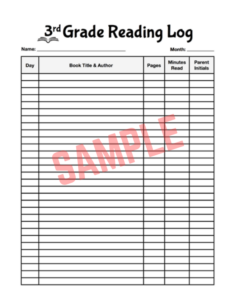
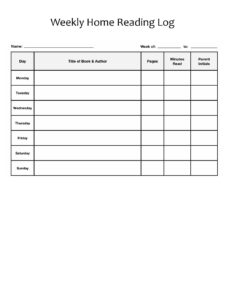
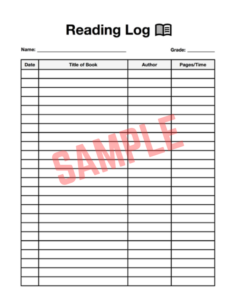
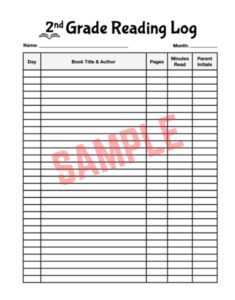
Starting first grade marks a significant milestone in a child’s educational journey, especially when it comes to developing strong reading habits. At this age, children transition from learning to read to reading to learn, making consistent practice essential. A well-designed 1st grade reading log template can be an incredibly effective tool for encouraging young readers and tracking their progress throughout the school year.
Engaging with books regularly not only builds literacy skills but also fosters a lifelong love for reading. Tracking these reading sessions helps parents, teachers, and children visualize their efforts and celebrate achievements. This article will explore the manifold benefits of using a reading log, detail the key components of an effective template, and provide a helpful sample to get you started on supporting your young reader.
Understanding the Benefits of a Reading Log for Young Readers
Implementing a reading log offers numerous advantages for first graders, extending far beyond simply recording book titles. It provides structure, encourages accountability, and helps monitor growth in a fun and engaging way. Consistent use of a 1st grade reading log template can transform reading practice into a rewarding routine for both children and their families.
Fostering a Habit of Regular Reading
A reading log serves as a visual reminder to read daily, establishing a routine that becomes second nature over time. Seeing their entries grow longer encourages children to continue their reading journey, understanding that each book contributes to their progress. This consistent exposure to words and stories is crucial for early literacy development.
According to educational research, children who read for just 20 minutes a day are exposed to approximately 1.8 million words per year. A reading log helps maintain this valuable daily practice, ensuring first graders build their vocabulary and comprehension steadily. It turns reading into a regular, expected part of their day.
Tracking Progress and Identifying Strengths
Reading logs provide concrete data about a child’s reading habits, allowing parents and teachers to observe patterns. You can easily see how many books a child reads, the types of books they prefer, and how long they spend reading each day. This information is invaluable for tailoring reading selections and support.
By reviewing the entries, educators can identify areas where a child might excel or need additional assistance. Perhaps a child consistently chooses books from a particular genre, indicating a strong interest, or struggles with reading for longer durations. This data helps in making informed decisions about literacy instruction and support.
Enhancing Accountability and Goal Setting
When children actively participate in filling out their reading log, they take ownership of their reading goals. They become accountable for their daily reading time, which instills a sense of responsibility and self-management. This early experience with goal setting is beneficial for their overall academic development.
Setting small, achievable goals, such as reading for 15 minutes or completing three books in a week, can be highly motivating. The reading log provides a clear record of these accomplishments, allowing children to see their progress towards larger goals. This positive reinforcement encourages continued effort and builds confidence.
Key Elements of an Effective First Grade Reading Log
Creating or choosing the right 1st grade reading log template is crucial for its success. An effective log should be simple enough for a first grader to understand and use, yet comprehensive enough to capture meaningful information. The design should be inviting and easy to fill out, making the process enjoyable rather than a chore.
Essential Fields for Information
A good reading log should include basic information that helps track progress without being overwhelming. Start with fields for the date of reading, the title of the book, and the author. These core details provide a clear record of what your child is reading and when.
Adding a space for the number of pages read or the time spent reading is also highly beneficial. This helps quantify their effort and allows for better tracking of reading volume. A simple checkbox or star rating for how much they enjoyed the book can also offer insights into their preferences and engagement.
Incorporating Interactive and Engaging Elements
To keep first graders motivated, a reading log should be more than just a blank sheet of paper. Consider templates that include a small space for a simple drawing related to the book or a quick one-sentence summary. These elements turn the log into a creative outlet, not just a data entry task.
Many effective 1st grade reading log templates also incorporate stickers, color-coding, or even a progress bar for every five or ten books read. These visual incentives celebrate achievements and make the reading journey feel like an exciting game. Engaging design makes the process more fun and encourages consistent participation.
Flexibility and Customization
Every child is unique, and a reading log should ideally reflect that. Look for templates that are customizable, allowing you to adapt them to your child’s specific needs or interests. Perhaps your child prefers to track minutes read, while another might prefer to list character names.
The best template will offer flexibility in how it’s used, allowing for adjustments as your child grows and their reading habits evolve. You might start with a very basic log and gradually introduce more detailed sections as your first grader gains confidence and skills. Remember, the goal is to support their reading, not to create unnecessary work.
Sample 1st Grade Reading Log Template
Below is an example of a simple yet effective 1st grade reading log template. This format is designed to be easy for young children to fill out with minimal assistance, while still providing valuable tracking information for parents and teachers. You can easily adapt this layout to suit your specific needs or preferences.
| Date | Book Title | Author | Minutes Read | My Favorite Part Was… | Rating (1-5 Stars) |
|---|---|---|---|---|---|
| [MM/DD/YY] | [Example: The Cat in the Hat] | [Example: Dr. Seuss] | [Example: 15] | [Example: When the cat balanced everything!] | [Example: ⭐⭐⭐⭐] |
| [MM/DD/YY] | [Book Title] | [Author] | [Minutes Read] | [My Favorite Part Was…] | [Rating] |
| [MM/DD/YY] | [Book Title] | [Author] | [Minutes Read] | [My Favorite Part Was…] | [Rating] |
| [MM/DD/YY] | [Book Title] | [Author] | [Minutes Read] | [My Favorite Part Was…] | [Rating] |
This basic structure provides clear columns for all the necessary information, making it easy to scan and record. The “My Favorite Part Was…” section encourages critical thinking and reflection, moving beyond just logging data. The star rating offers a simple way for children to express their enjoyment of a book.
You can print several copies of this 1st grade reading log template and bind them together, or keep them in a folder. Encourage your child to fill it out after each reading session, perhaps as part of their bedtime routine. Celebrating milestones, like completing a page or reaching a certain number of books, will reinforce their positive reading habits.
Using a 1st grade reading log template is a fantastic way to support your child’s literacy development and instill a lasting love for books. It brings structure to their reading practice, allows for clear progress tracking, and provides a wonderful opportunity for shared learning experiences. By making reading a celebrated and visible activity, you’re building a strong foundation for future academic success.
Start today by choosing or creating a template that excites your young reader. Encourage them to fill it out consistently and celebrate every entry, no matter how small. This simple tool can lead to significant growth in reading comprehension, vocabulary, and overall confidence, setting them on a path to becoming enthusiastic lifelong readers.