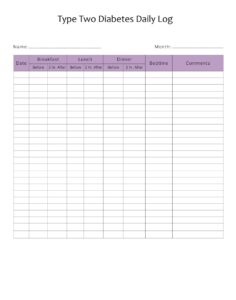
Monitoring your blood pressure regularly is a cornerstone of maintaining good health, especially if you have been diagnosed with hypertension or are at risk. Consistent tracking provides invaluable insights into your cardiovascular well-being, helping you and your doctor make informed decisions about your treatment plan. Using a structured daily blood pressure log template can simplify this crucial task, ensuring you capture all necessary details accurately and consistently. This article will explore why tracking your blood pressure is so important, what essential elements to include in your log, and provide an example of an effective template you can use today.
The journey to managing blood pressure effectively begins with understanding its fluctuations. Many factors, from diet and exercise to stress and medication, can influence your readings throughout the day. Without a reliable method for recording these measurements, patterns can go unnoticed, and potential health risks might be overlooked. A well-designed daily blood pressure log template eliminates guesswork, giving you a clear, chronological record of your health data, making it an indispensable tool for proactive health management.
By the end of this guide, you will understand the profound benefits of consistent blood pressure monitoring, know exactly what information to collect, and be equipped with a practical daily blood pressure log template to start your tracking journey immediately. Let’s dive into the importance of keeping these vital records.
Understanding the Importance of Regular Blood Pressure Monitoring
Regularly checking and recording your blood pressure is far more than just a routine task; it’s a proactive step towards safeguarding your cardiovascular health. High blood pressure, often called the “silent killer,” rarely presents with obvious symptoms, yet it significantly increases the risk of serious conditions like heart disease, stroke, and kidney failure. Consistent monitoring empowers you to detect changes early and work with your healthcare provider to manage your condition effectively.
Why Consistent Tracking Matters for Your Health
Tracking your blood pressure over time allows you to observe trends and patterns that a single reading cannot reveal. This continuous data helps you and your doctor assess the effectiveness of lifestyle changes or prescribed medications. It provides a real-world snapshot of your blood pressure, accounting for daily activities and stress levels, which are often absent during a brief clinic visit.
Consistent logging can highlight if certain times of day, specific activities, or particular foods impact your blood pressure. This personalized insight is crucial for making informed adjustments to your routine. Ultimately, it gives you a sense of control and participation in your own health management.
Identifying Normal vs. High Blood Pressure Readings
Understanding what your blood pressure numbers mean is fundamental. Normal blood pressure is typically defined as less than 120/80 mmHg (systolic over diastolic). Elevated blood pressure falls between 120-129 systolic and less than 80 diastolic, while Hypertension Stage 1 begins at 130-139 systolic or 80-89 diastolic. These guidelines are general, and your doctor will interpret your readings in the context of your overall health.
Roughly 47% of adults in the United States have hypertension, according to the CDC, making it a widespread concern. Tracking helps you identify if your readings consistently fall into concerning ranges, prompting timely medical intervention. It’s important to remember that consistently high readings warrant immediate discussion with a healthcare professional.
Preparing for Your Doctor’s Appointments with Accurate Data
Bringing a detailed blood pressure log to your doctor’s appointments can significantly enhance the quality of your consultation. Instead of relying on a few isolated readings taken in the clinic, your doctor gains access to a comprehensive overview of your blood pressure trends. This detailed record helps them understand how your blood pressure behaves outside the clinical setting.
The data from your daily blood pressure log template allows for more precise diagnosis and medication adjustments. It facilitates a more informed discussion about your progress, challenges, and the effectiveness of your current treatment plan. This collaborative approach ensures you receive the most tailored and effective care possible.
Key Elements of an Effective Blood Pressure Tracking Sheet
Creating an effective blood pressure tracking sheet requires more than just jotting down numbers. To truly be a valuable tool, it needs to capture specific details that provide context to your readings. A well-designed sheet helps you and your doctor identify patterns, understand influences, and make appropriate health adjustments.
Essential Information to Include in Your Log
For a truly useful record, your daily blood pressure log template should include several key data points. These elements allow for a comprehensive analysis of your readings. Always remember to capture the following details for each measurement:
- Date: The specific day you took the reading.
- Time: The exact time of day (e.g., 8:00 AM, 6:30 PM).
- Systolic Pressure (SYS): The top number, representing pressure when your heart beats.
- Diastolic Pressure (DIA): The bottom number, representing pressure when your heart rests between beats.
- Pulse Rate (HR): Your heart rate, usually measured by the blood pressure monitor.
- Arm Used: Which arm (left or right) was used for the measurement, as readings can sometimes vary between arms.
- Notes/Activity: This crucial section is for recording any relevant factors, such as medication taken, recent physical activity, stress levels, caffeine intake, or meal times.
Factors Influencing Blood Pressure Readings
Your blood pressure can fluctuate significantly throughout the day due to a variety of factors. Being aware of these influences and noting them in your log provides important context. For instance, caffeine consumption, recent exercise, stress, or even taking certain medications can temporarily alter your readings.
Eating a large meal, engaging in strenuous activity, or experiencing emotional stress might cause a temporary spike in blood pressure. Conversely, relaxation or certain medications can lower it. By consistently documenting these variables in your daily blood pressure log template, you can start to identify personal triggers or mitigating factors. This understanding is invaluable for managing your condition more effectively.
Choosing the Right Format for Your Daily Blood Pressure Log Template
When it comes to selecting a format for your blood pressure log, you have several options, each with its own advantages. Many people prefer a printable daily blood pressure log template, which offers the tactile experience of writing and can be easily kept in a binder or medical folder. These paper logs are simple, accessible, and don’t require any technology.
Alternatively, digital blood pressure tracking apps or online templates provide convenience and often include features like automatic graphing and reminders. These digital solutions can be great for those who prefer electronic records and easy sharing with healthcare providers. Whichever format you choose, consistency in recording is the most important aspect.
Sample Daily Blood Pressure Log Template Format
An effective daily blood pressure log template is clear, concise, and easy to use. The goal is to capture all necessary information without making the process overly complicated. Here is a description of a straightforward tabular format that you can adapt for your own use, whether you prefer a printed or digital version. This structure ensures you collect all the vital data points crucial for monitoring your health.
Here is a typical layout and how you might fill it out:
Date       | Time    | Systolic (SYS) | Diastolic (DIA) | Pulse (HR) | Arm Used | Notes/Activity
-----------|---------|----------------|-----------------|------------|----------|---------------------------------------
MM/DD/YYYY | HH:MM AM/PM | [Number]       | [Number]        | [Number]   | Left/Right | [Brief description of notes/activity]
Let’s look at an example to illustrate how to record entries in this daily blood pressure log template:
- **Date:** You would write the current date, for instance, `03/15/2024`.
- **Time:** Note the precise time you took the reading, such as `07:30 AM` or `06:15 PM`. Try to take readings at similar times each day.
- **Systolic (SYS):** Enter the top number from your monitor, e.g., `132`.
- **Diastolic (DIA):** Enter the bottom number, e.g., `84`.
- **Pulse (HR):** Record your heart rate, typically provided by the monitor, e.g., `72`.
- **Arm Used:** Indicate which arm you used for the measurement, `Right`.
- **Notes/Activity:** This is where you add context. Examples might include `After morning coffee`, `Before dinner, feeling stressed`, `30 min after medication`, or `After 20 min walk`.
An example entry in your daily blood pressure log template might look like this:
Date       | Time    | Systolic (SYS) | Diastolic (DIA) | Pulse (HR) | Arm Used | Notes/Activity
-----------|---------|----------------|-----------------|------------|----------|---------------------------------------
03/15/2024 | 07:30 AM | 132            | 84              | 72         | Right    | After morning coffee, took medication
03/15/2024 | 06:15 PM | 128            | 80              | 68         | Left     | Before dinner, relaxed
03/16/2024 | 07:40 AM | 135            | 86              | 75         | Right    | Rushed morning, skipped breakfast
This clear, consistent format makes it easy to review your readings and identify patterns. You can easily print this layout or replicate it in a spreadsheet program to create your personalized daily blood pressure log template.
Embracing the habit of meticulously logging your blood pressure readings with a reliable daily blood pressure log template is a powerful step towards proactive health management. It moves you from simply reacting to symptoms to actively monitoring and understanding your body’s signals. This consistent effort ensures you have a detailed, accurate record that is invaluable for personal insight and for guiding your medical team in tailoring the best possible care for your unique needs.
Don’t wait for your next doctor’s appointment to start. Download or create your own daily blood pressure log template today and begin empowering yourself with the knowledge needed to maintain a healthy heart. Your diligent tracking can make a significant difference in managing your blood pressure and promoting long-term well-being.