Embarking on a veterinary internship is an exhilarating yet demanding journey, where every patient interaction offers a critical learning opportunity. The sheer volume and diversity of cases can be overwhelming, making meticulous record-keeping not just helpful, but essential for growth and success. A well-structured veterinary intern case log template is the cornerstone of effective learning, allowing interns to systematically track their clinical exposure, reflect on their experiences, and demonstrate their developing competencies. This article will explore why such a template is indispensable and guide you through creating or utilizing an optimal system for your internship.
Navigating complex cases, performing various procedures, and participating in rounds are all part of the daily routine. Without a formal method to document these experiences, valuable lessons can be lost or difficult to retrieve for review. A comprehensive case log serves as a personal learning journal and a professional portfolio, documenting the practical application of theoretical knowledge. It’s an invaluable tool for self-assessment and a crucial component for demonstrating skill acquisition to mentors and program directors alike.
Understanding the critical role of a robust case log system early in your internship can significantly enhance your educational experience. We’ll delve into the fundamental importance of case logging, identify the key elements that make a template truly effective, and provide a practical sample to illustrate what a high-quality veterinary intern case log template looks like. Prepare to transform your internship documentation into a powerful tool for professional development.
The Indispensable Role of a Case Log in Veterinary Internships
A veterinary internship is a period of intense practical training, where theoretical knowledge from veterinary school is put into action. During this crucial time, interns are expected to manage a wide array of cases, from routine wellness checks to critical emergencies. The sheer volume and complexity of these experiences necessitate a systematic method for tracking and reflecting upon each patient encounter. An organized clinical experience log provides structure to this learning process.
Such a log not only helps interns remember specific cases but also allows them to identify patterns in their clinical reasoning and skill development. It transforms a collection of individual experiences into a cohesive learning narrative. This continuous record-keeping is vital for both personal growth and meeting the rigorous demands of professional veterinary programs. Ultimately, a thorough case log is more than just a requirement; it’s a strategic asset for every aspiring veterinarian.
Documenting Clinical Exposure and Skill Development
Tracking every case provides a clear historical record of an intern’s clinical exposure across various species, conditions, and procedures. This documentation is crucial for identifying areas of strength and areas that require further development. By consistently logging cases, interns can actively monitor their proficiency in diagnostics, treatment planning, and surgical skills. It quantifies their hands-on experience, which is invaluable for future career progression.
For instance, an intern might notice they have extensive experience with canine gastrointestinal issues but limited exposure to exotic animal medicine. This realization, spurred by their log, allows them to proactively seek out opportunities to broaden their expertise. This deliberate approach to skill development ensures a more well-rounded and competent veterinarian by the end of the internship.
Facilitating Self-Assessment and Mentorship
The act of completing a case log forces interns to critically reflect on each case, asking themselves what went well and what could have been done differently. This self-assessment is a powerful learning tool, fostering deeper understanding and improved decision-making. Reviewing previous entries can highlight recurring challenges or successes, prompting interns to adjust their approach for future patients.
Moreover, a detailed case log provides concrete discussion points for meetings with mentors or program directors. Instead of vague discussions about “how things are going,” interns can present specific cases for feedback, demonstrating their thought processes and areas where guidance is needed. This targeted feedback significantly accelerates professional growth and strengthens the mentor-mentee relationship.
Meeting Program Accreditation Standards
Many veterinary internship and residency programs, particularly those seeking accreditation or certification, require interns to maintain detailed case logs. These logs serve as objective evidence of the intern’s fulfillment of program requirements and clinical competencies. They ensure that interns are receiving a diverse range of experiences essential for becoming proficient practitioners. Without accurate and complete logs, interns may face challenges in completing their programs or advancing to further specialization.
Compliance with these standards is not just about ticking boxes; it’s about upholding the quality and integrity of veterinary education. A robust case log system helps programs demonstrate that their interns are receiving comprehensive training. Therefore, investing time in a high-quality veterinary intern case log template directly contributes to successful program completion and future professional opportunities.
Key Components of an Effective Veterinary Intern Case Log Template
Creating or choosing an effective veterinary intern case log template involves understanding what information is truly essential for both learning and documentation. A well-designed template goes beyond basic identifiers, prompting interns to record details that foster critical thinking and reflection. It ensures that every entry contributes meaningfully to their professional development, making the data useful for review and assessment. The structure of the template should be intuitive and comprehensive.
The best templates strike a balance between capturing necessary details and remaining user-friendly, encouraging consistent use. They guide the intern through a logical progression of thought, mirroring the clinical decision-making process. By including specific fields for different types of information, a template streamlines the recording process and ensures no critical details are overlooked.
Essential Patient and Case Information
Every case log entry should begin with fundamental patient and case identifiers to ensure clarity and traceability. This includes the date of the patient encounter and a unique case or patient ID number. Recording the patient’s signalment (species, breed, age, sex, and reproductive status) provides crucial context for diagnosis and treatment. Additionally, a concise summary of the presenting complaint is vital.
The primary diagnosis, or differential diagnoses if the case is still unfolding, should be clearly stated. Identifying the service or specialty involved (e.g., internal medicine, surgery, emergency) helps categorize cases for later analysis. These basic details form the foundation upon which more complex information can be built, making each entry informative and easy to reference.
Detailing Diagnostics and Treatment Plans
A comprehensive log requires a thorough record of all diagnostic procedures performed and their key findings. This might include laboratory tests (e.g., bloodwork, urinalysis), imaging studies (e.g., radiographs, ultrasound), and specific test results. Detailing the results, even briefly, helps in recalling the clinical picture and the rationale behind diagnostic choices. The treatment plan implemented, including medications, dosages, frequency, and any surgical interventions, must also be meticulously documented.
Recording the intern’s specific role in the case (e.g., primary clinician, assisting surgeon, performing specific procedures) provides insight into their level of involvement and responsibility. This section is particularly important for demonstrating the application of knowledge and the development of practical skills. It transforms a simple record into a detailed account of clinical action.
Reflecting on Outcomes and Learning Points
The most valuable part of any veterinary intern case log template for professional development is the section dedicated to reflection. This includes documenting the patient’s outcome (e.g., discharged, recovered, deceased, referred) and any significant follow-up information. It’s also important to note any complications that arose and how they were managed. Critical reflection allows interns to process the experience beyond mere documentation.
Crucially, interns should identify specific learning points or key takeaways from each case. This might involve new knowledge acquired, a skill improved, a diagnostic challenge overcome, or an area for future study. For example, an intern might reflect on a particularly complex case of feline heart failure and identify the importance of advanced imaging techniques. This reflective practice solidifies learning and highlights areas for continuous improvement throughout the internship.
Sample Veterinary Intern Case Log Template for Practical Use
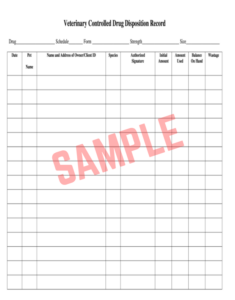
A structured template provides a consistent framework for documenting your clinical experiences, ensuring all critical information is captured. This sample veterinary intern case log template is designed to be comprehensive yet adaptable, allowing you to track various aspects of each case encountered during your internship. It can be easily replicated digitally or in a physical logbook, providing a clear and organized record of your learning journey.
Remember, the goal is to create a dynamic tool that supports your education and professional growth. This example provides a solid starting point, which you can customize to fit the specific requirements of your program or your personal learning style. Consistent and detailed logging will significantly enhance your internship experience.
Here is a practical example of how an entry in a comprehensive veterinary intern case log template might appear:
Date: 2024-03-15
Case ID: IM24-0017 (Internal Medicine Service)
Patient Signalment:
- Species: Canine
- Breed: Labrador Retriever
- Age: 7 years
- Sex/Repro Status: Female, Spayed
- Weight: 30 kg
Presenting Complaint: Chronic vomiting and diarrhea for 3 weeks, lethargy.
Primary Diagnosis: Inflammatory Bowel Disease (IBD) suspected, pending biopsy.
Diagnostics Performed & Key Findings:
- Physical Exam: Mild dehydration, abdominal pain on palpation, mild fever.
- CBC/Chemistry: Hypoalbuminemia (1.8 g/dL), mild anemia (PCV 32%), elevated CRP.
- Abdominal Ultrasound: Diffuse thickening of small intestinal wall, enlarged mesenteric lymph nodes.
- Fecal Panel: Negative for common parasites/bacteria.
- Endoscopy: Performed by Dr. Smith (intern assisted), noted moderate to severe diffuse inflammation of duodenal and jejunal mucosa. Biopsies taken.
Treatment Plan & Intern Role:
- Fluids: IV crystalloids (LRS) at 60 ml/kg/day for rehydration.
- Medication: Metronidazole (15 mg/kg PO q12h), Prednisolone (2 mg/kg PO q24h) initiated pending biopsy results.
- Nutritional Support: Prescription gastrointestinal diet (low-fat, hydrolyzed protein).
- Intern Role: Performed initial physical exam, placed IV catheter, calculated fluid rates, monitored hydration status, assisted in endoscopy, communicated with owner regarding treatment plan and prognosis.
Patient Outcome & Follow-up:
- Outcome: Discharged after 3 days, clinical signs improved. Owner instructed on medication administration and dietary management.
- Follow-up: Recheck scheduled in 7 days for biopsy results and further treatment adjustment.
Complications/Challenges: Initially difficult to stabilize hydration due to persistent vomiting; antiemetics (Cerenia) added to protocol which helped. Owner compliance with diet change was a concern.
Learning Points/Key Takeaways:
- Reinforced the diagnostic approach to chronic enteropathies, emphasizing step-wise elimination of differentials.
- Understood the importance of combining clinical signs, lab work, and imaging for a presumptive diagnosis.
- Practiced client communication skills regarding chronic disease management and medication adherence.
- Gained experience assisting with upper GI endoscopy and identifying gross lesions of inflammation.
- Learned to anticipate potential complications like owner compliance with dietary changes.
A comprehensive veterinary intern case log template is more than just a record-keeping tool; it’s a dynamic instrument for accelerating professional growth. By consistently documenting your clinical experiences, you transform every patient encounter into a tangible learning opportunity. This systematic approach ensures that you not only meet program requirements but also cultivate a deeper understanding of veterinary medicine, honing your skills and critical thinking abilities.
Embrace the discipline of maintaining a detailed case log from the outset of your internship. It will serve as an invaluable resource for self-assessment, mentorship discussions, and a powerful testament to your hands-on experience as you progress in your career. Investing in a robust logging system is an investment in your future as a competent and confident veterinary professional, empowering you to reflect, learn, and excel.