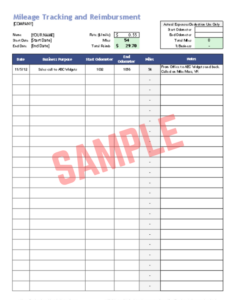
Managing employee conduct and performance is a critical aspect of any successful organization. Without a clear system, addressing workplace issues can become inconsistent, leading to legal risks and a decline in team morale. An effective employee discipline tracking log template provides a standardized approach, ensuring fair treatment and comprehensive documentation for all personnel matters. This article will guide you through the importance of such a tool and how to implement one effectively within your business.

Understanding how to properly record disciplinary actions is essential for maintaining a healthy work environment and protecting your company. We will explore the key components that make a tracking log invaluable, provide a practical sample template, and discuss how consistent usage can safeguard both employees and the employer. By the end, you will have a clear understanding of how to leverage this vital HR resource.
Essential Elements of a Comprehensive Employee Discipline Tracking Log Template
A well-designed employee discipline tracking log template serves as an indispensable tool for HR professionals and managers alike. It ensures that every disciplinary action, from minor infractions to serious policy violations, is recorded with precision and consistency. This level of detail is crucial for demonstrating fairness and legal compliance, especially if an issue escalates. Implementing a robust tracking system helps to prevent misunderstandings and provides a factual basis for all performance-related discussions.
Furthermore, a standardized log helps identify recurring issues with specific employees or systemic problems within the workplace. For instance, if multiple employees are repeatedly disciplined for the same policy, it might indicate a need to review or clarify that particular company rule. The structure of your tracking log should therefore be intuitive and capture all necessary information efficiently. It must be accessible yet secure, respecting employee privacy while ensuring proper record-keeping.
Key components that should be included in every effective tracking log are:
- Employee Information: Full name, department, position, employee ID.
- Date of Incident: When the event occurred.
- Date of Discussion/Action: When the disciplinary step was taken.
- Type of Incident/Violation: Clear description of the policy violated or conduct issue.
- Severity Level: Categorization (e.g., minor, moderate, severe).
- Details of Incident: A factual, objective account of what happened, including any witnesses.
- Previous Actions: References to prior disciplinary records for the same employee.
- Corrective Action Taken: Details of the action (e.g., verbal warning, written warning, suspension).
- Expected Improvement/Resolution: What the employee needs to do to correct the behavior.
- Follow-Up Date: Scheduled date for reviewing progress.
- Employee Signature: Acknowledgment of discussion (not necessarily agreement).
- Manager/HR Signature: Confirmation of the disciplinary action.
- Notes/Comments: Additional relevant observations or contextual information.
Here is a simplified example of what an employee discipline tracking log template might look like:
| Date of Incident | Employee Name | Violation Type | Details of Incident | Action Taken | Follow-Up Date | Manager Signature |
|---|---|---|---|---|---|---|
| 2023-10-26 | Jane Doe | Tardiness | Employee arrived 15 minutes late without prior notification. | Verbal Warning | 2023-11-26 | [Manager’s Name] |
| 2023-11-15 | John Smith | Company Policy (Dress Code) | Employee wore inappropriate attire despite previous reminders. | Written Warning | 2023-12-15 | [Manager’s Name] |
| 2023-12-01 | Jane Doe | Tardiness | Employee arrived 20 minutes late again, after verbal warning. | Written Warning | 2024-01-01 | [Manager’s Name] |
Maintaining accurate and up-to-date records using an employee discipline tracking log template is more than just good practice; it’s a fundamental aspect of fair and consistent employee management. It fosters transparency, helps employees understand expectations, and provides a clear audit trail for any future inquiries. This systematic approach ensures that all disciplinary actions are handled professionally and with due diligence.
Ultimately, having a consistent system for tracking employee discipline protects both the company and its workforce. By diligently recording all interactions and actions, businesses can ensure fair processes, avoid potential legal complications, and build a culture of accountability and respect. Utilize an effective employee discipline tracking log template to streamline your HR processes and strengthen your workplace management strategies.